Mythology· Essay
Do We Live Once, Twice, or Forever?
The distance between the grave and the cradle is not always as wide as it seems in Igbo folklore
By Gospel Okoro· 9 min
Search and filter across articles, codex entries and podcast episodes on myth, folklore and cultural memory.
The distance between the grave and the cradle is not always as wide as it seems in Igbo folklore
By Gospel Okoro· 9 min

We're opening a short call for original, deeply researched work on mythology, folklore and cultural memory for the first issue of The Oriire Journal. Submissions close on 1 November 2026.
By Oriire· 5 min
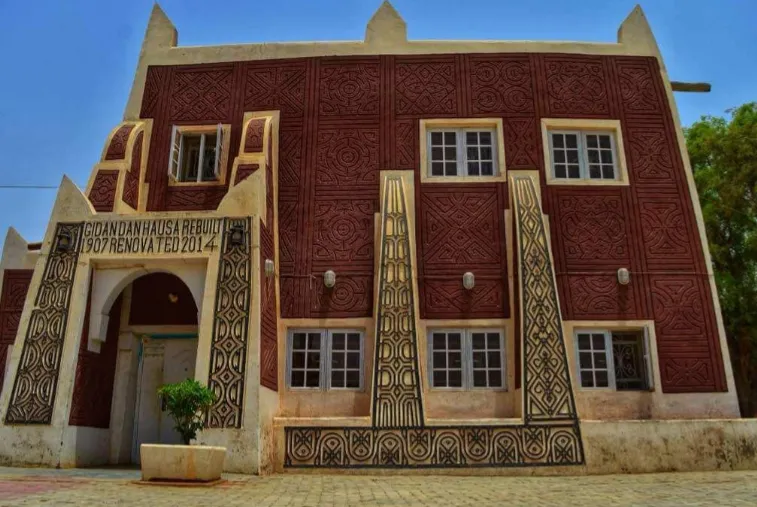
Gizzo the Spider cannot overpower the Elephant or the Hippopotamus. So he turns their pride against them
By Bilkisu Sabiu· 8 min
Five years after her husband’s closest friend was buried, Ujunwa hears a terrifying claim: he has been seen alive in a crowded market
By Chidera Dickson Oji· 11 min
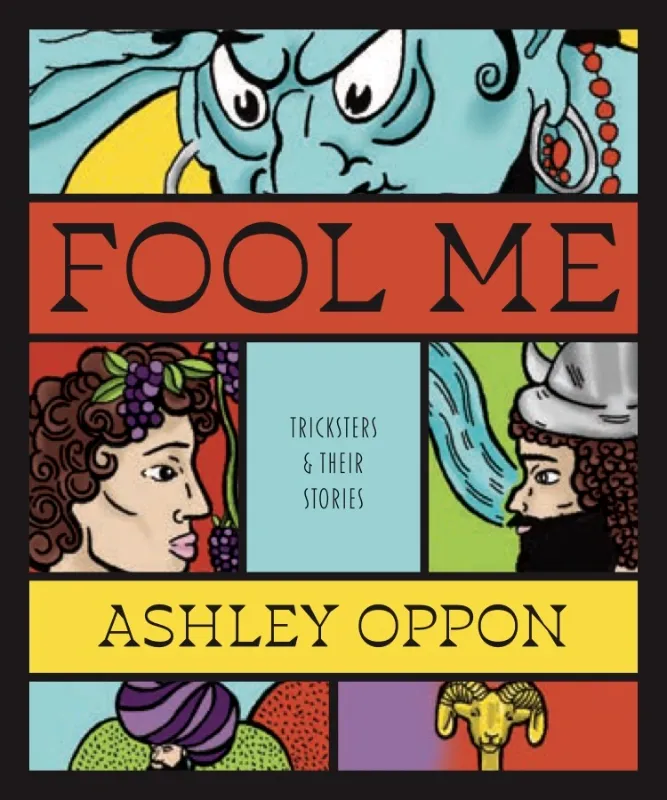
Sometimes the only way for a powerless person to fight back is to be clever
By Shalom Kasim· 5 min
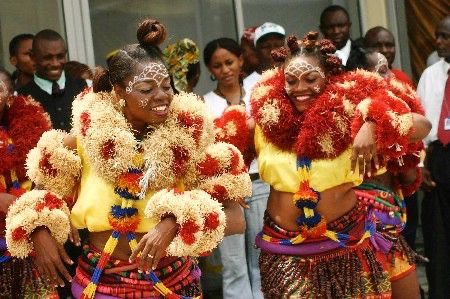
A look at ten Nigerian traditions that are still around, but not quite the way they used to be
By Star Gurl· 5 min
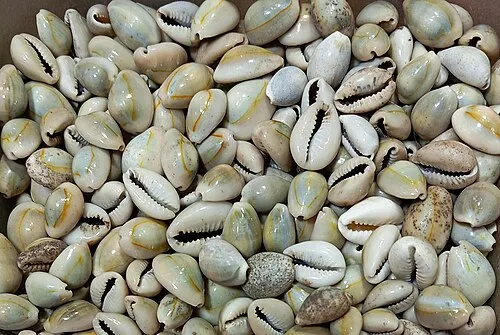
A shell once carried from hand to hand as currency, became a vessel through which history, spirituality, and identity continue to speak
By Akunna Danugwu· 6 min
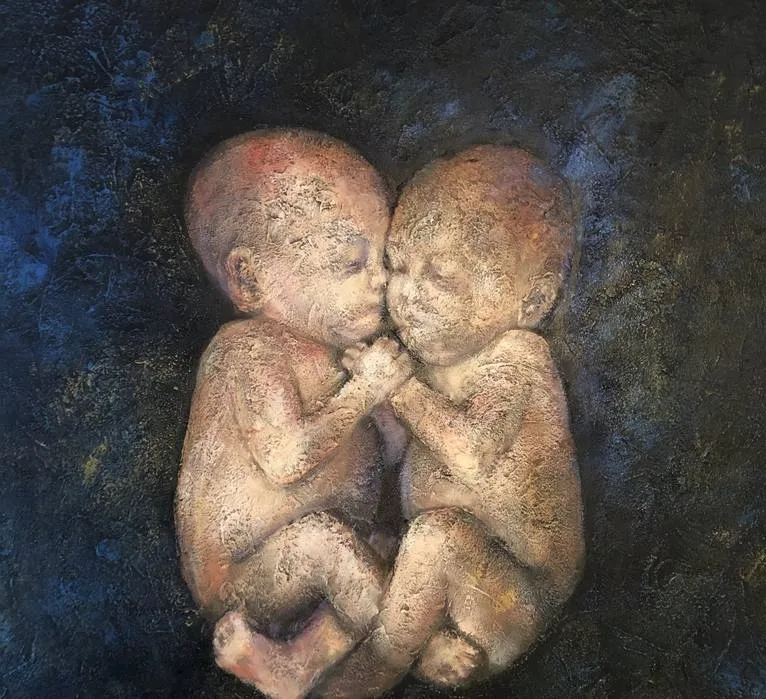
When a Ga twin dies, the story does not end with burial.
By Benjamin neil Ibrahim· 5 min
A viral TikTok clip of a twenty-year-old Nsukka music video pulls a childhood memory back into focus
By Nneoma Sally· 7 min
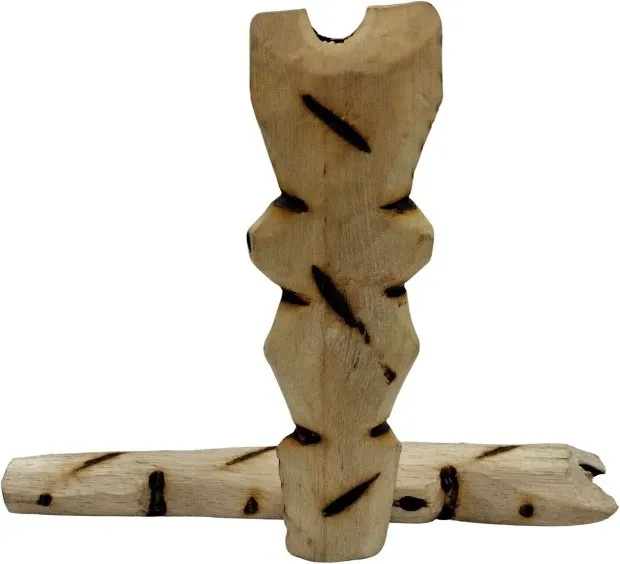
A flute I dismissed as too archaic to notice stopped me mid-stride on an NYSC parade ground
By Nneoma Sally· 6 min
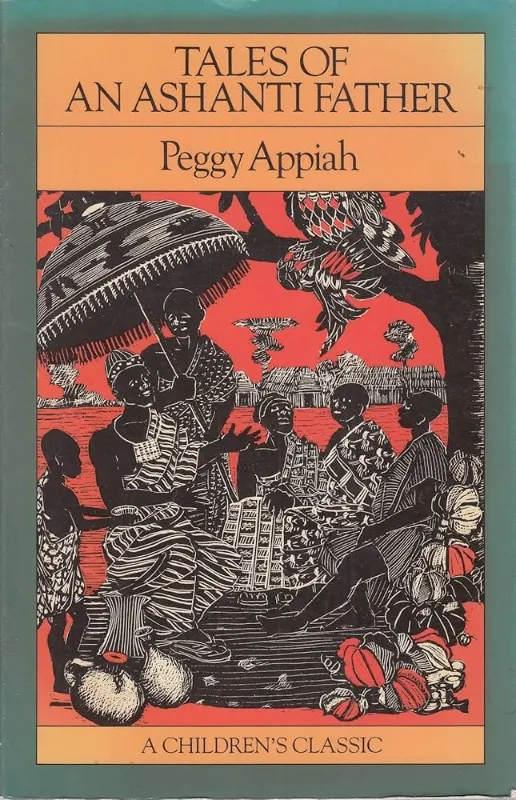
A British Chancellor's granddaughter marries into Ashanti aristocracy, and spends fifty years in Kumasi writing down spider stories for children
By Inumidun Seyiolapade· 12 min
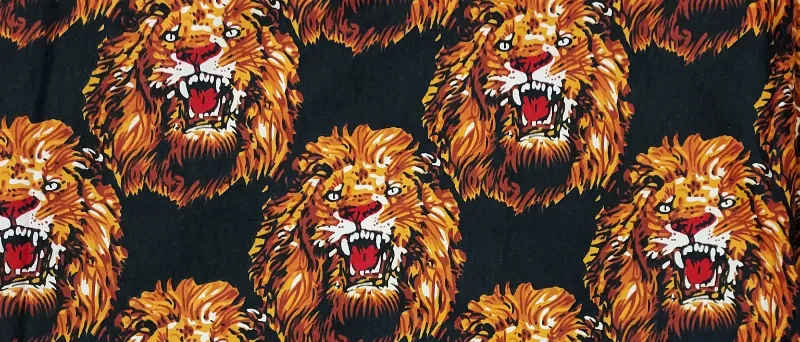
How the Igbo transformed a Victorian trade commodity into the Isi-Agu
By Somtochukwu Udeozo· 6 min
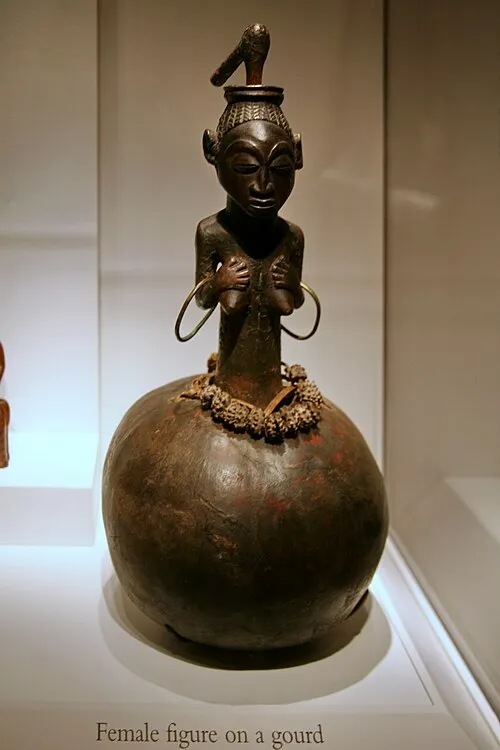
On Thursdays in traditional Akan communities, farmers do not work the soil. The day belongs to Asase Yaa and on her day the ground rests, protected from the hoe by the same principle that leads the Akan to set aside time for acknowledging the sacred in what sustains life.
By Isreal Jeremiah· 6 min
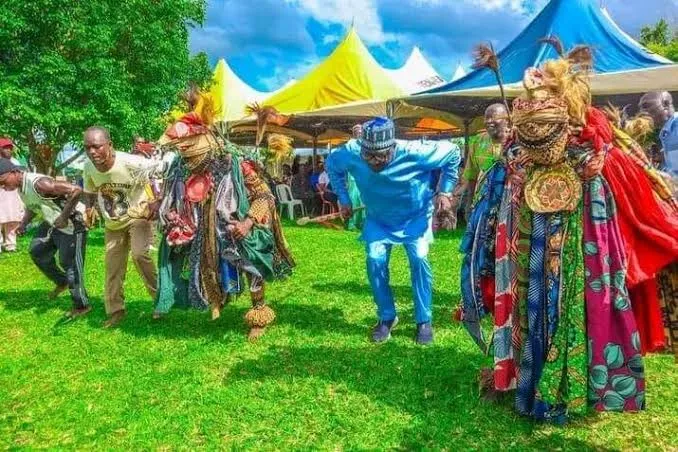
How a small ethnic community in Nigeria's Middle Belt has carried its history and land-based spirituality across centuries of change.
By Benjamin neil Ibrahim· 5 min
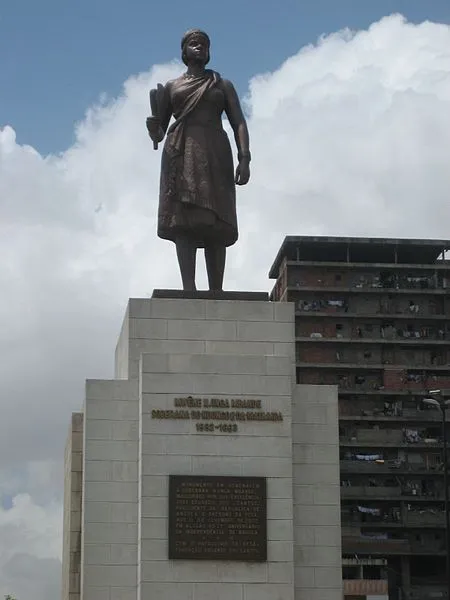
Discover the story of Queen Njinga, the fearless ruler who used diplomacy, warfare, and political strategy to resist Portuguese expansion and defend her kingdom.
By Nneoma Sally· 10 min
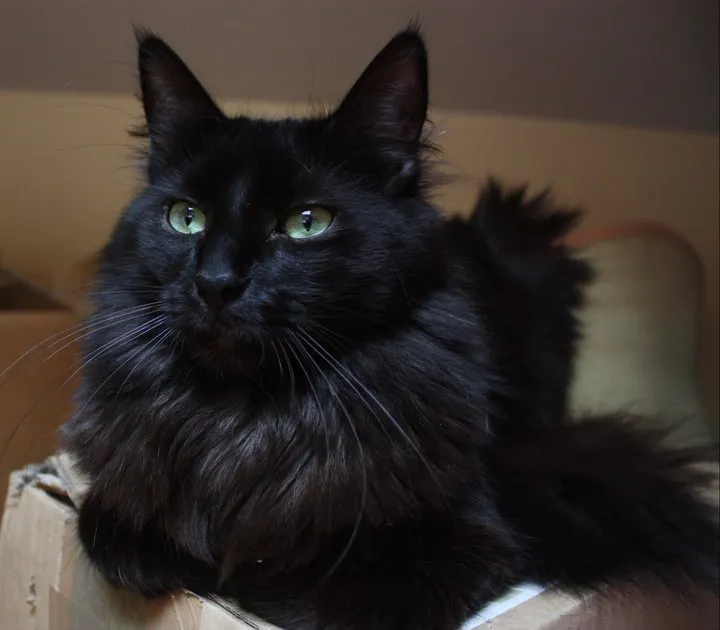
Is the Nigerian cat a pet, a pest controller, or a paranormal operative?
By Somtochukwu Udeozo· 6 min
When a village in Arugbo turns away travellers, their sacred river runs dry.
By Tomiwa Gift· 3 min
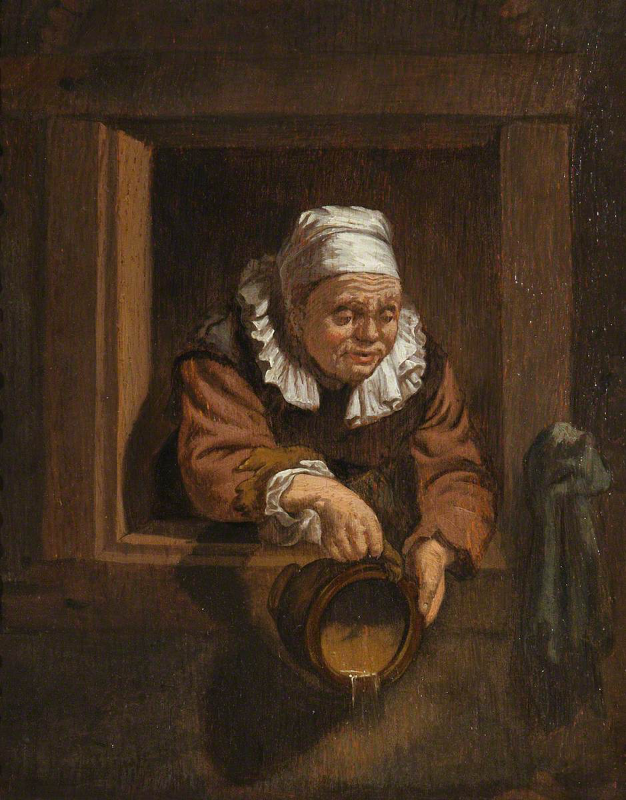
A poor widow feeds a stranger her last meal, and receives a clay pot that never stays empty, as long as she keeps giving it away.
By Tomiwa Gift· 6 min
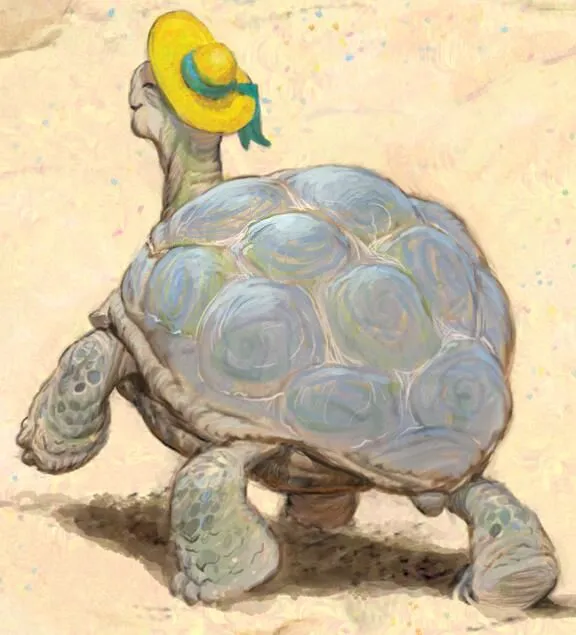
Nobody takes a tortoise seriously. That is exactly how he wins.
By Akunna Danugwu· 5 min
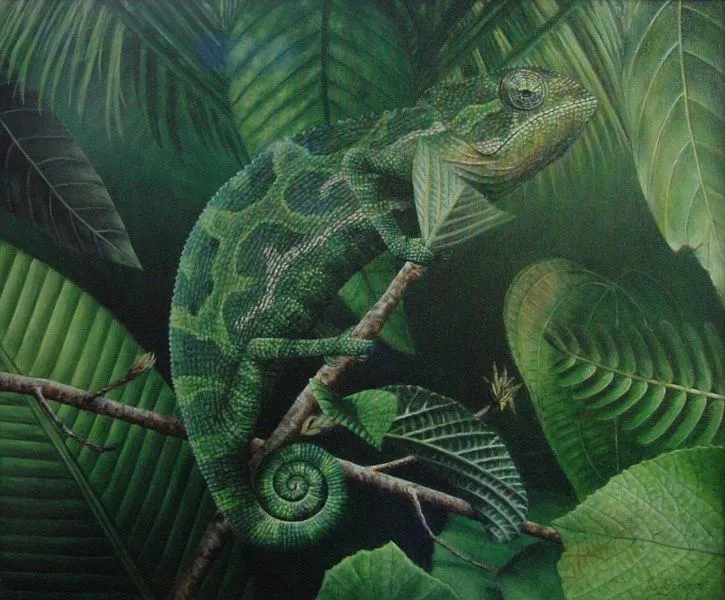
A favoured messenger loses both his colour and his place through pride.
By Akunna Danugwu· 5 min
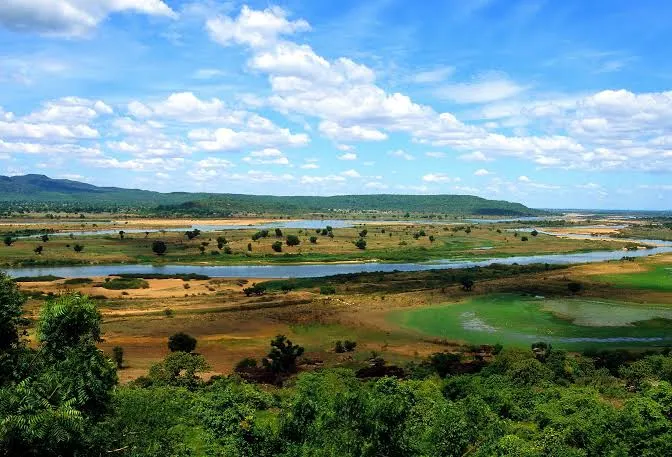
Some of Nigeria's most enduring stories are tied to its rivers. Here are ten waterways that feature prominently in folklore and oral tradition.
By Benjamin neil Ibrahim· 4 min
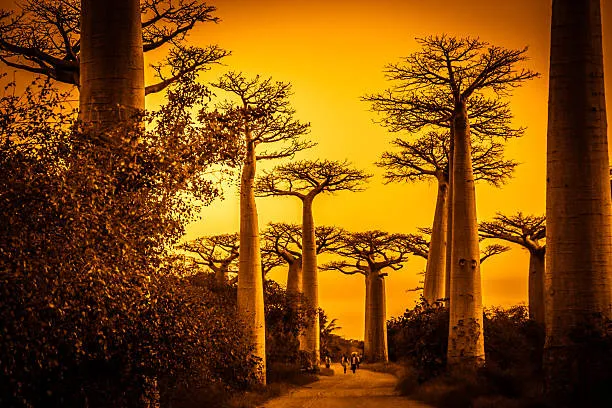
Every debt whether to man, land, or spirits must be paid one day
By Benjamin neil Ibrahim· 7 min
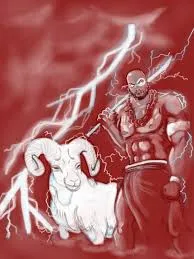
Amadioha, the Igbo deity of thunder and lightning, represents a powerful system of communal justice where moral wrongdoing invites divine retribution.
By Sunday Stephen Laabes· 5 min

Mbe the Tortoise survives because every society eventually rewards someone like him.
By Somtochukwu Udeozo· 7 min
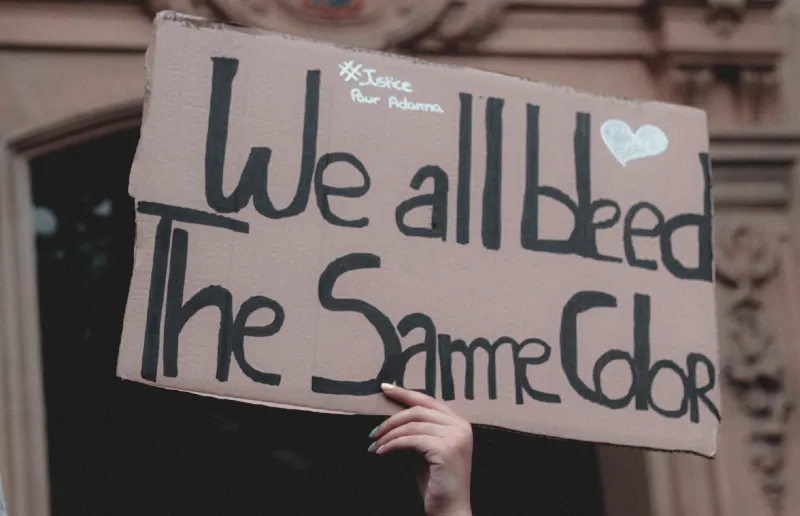
How a nation forged in liberation became a continent's most violent rebuke of it.
By Somtochukwu Udeozo· 8 min

An exploration of Kikuyu religion, from the sacred mountain Kirinyaga and the worship of Ngai to the oath traditions and covenant beliefs that shaped community life.
By Comfort Titus· 9 min
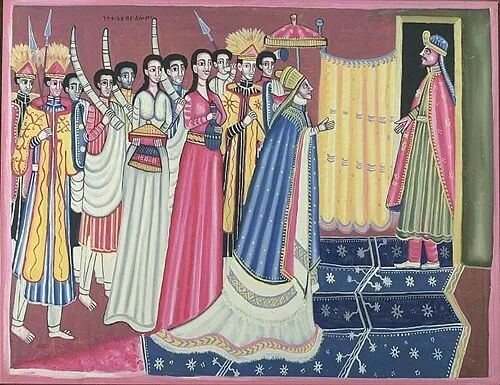
The Kebra Nagast recounts how Queen of Sheba and King Solomon anchor Ethiopia’s claim to sacred history, linking the Ark of the Covenant to Church of Our Lady Mary of Zion.
By Sunday Stephen Laabes· 5 min
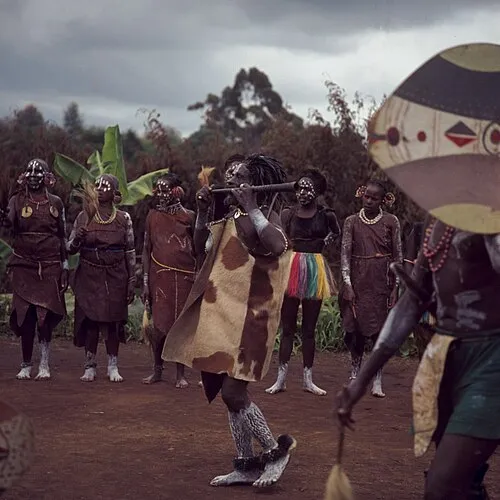
The Gĩkũyũ conception of Ngai reveals a strikingly monotheistic African theology in which divinity is anchored to Mount Kenya
By Favour Ayuba· 5 min
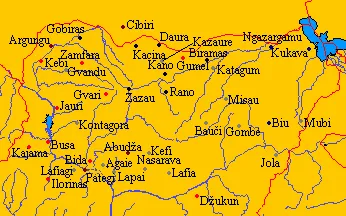
The Hausa Bakwai myth explains the origins and legitimacy of seven historic Hausa states through the sacred narrative of Bayajida, presenting political authority as divinely and cosmologically ordained. Beyond a founding legend, it functions as a charter myth that shaped governance, identity, and the spiritual worldview of Hausa civilisation.
By Kerkebe Isaac· 6 min
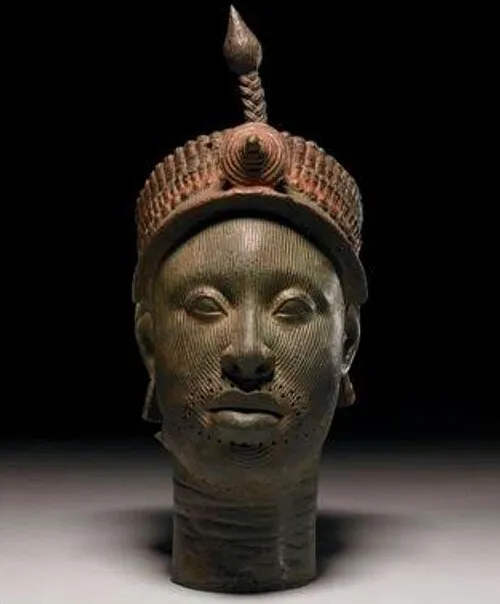
The oral canon that babaláwo carry in their heads rivals the canonical texts of every major world religion on earth
By Favour Ayuba· 6 min
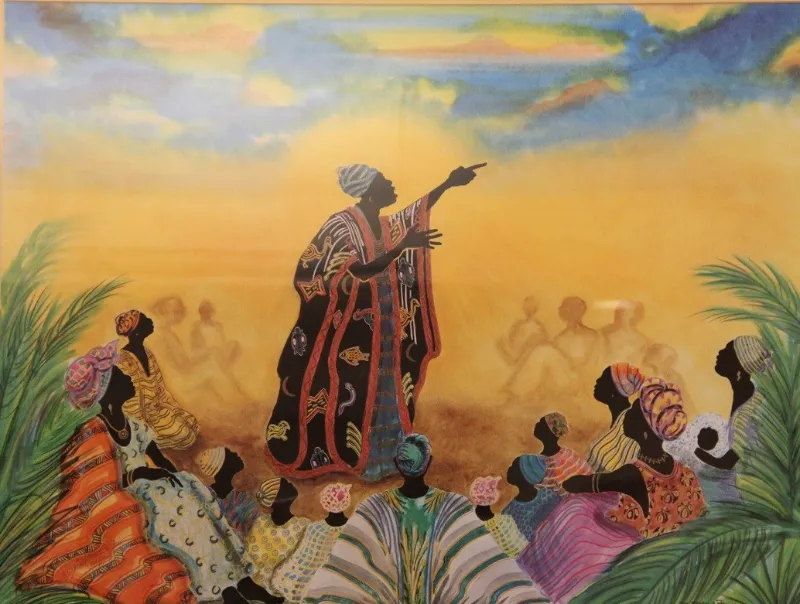
On Maryam Yusuf Magaji's Poems in Vistas
By Shalom Kasim· 24 min

In A Man of the People, Chinua Achebe dissects the culture of patronage, corruption, and political spectacle that defined the First Nigerian Republic, a system whose internal contradictions would soon erupt in the 1966 Nigerian coup d'état.
By Shallom Paul· 9 min
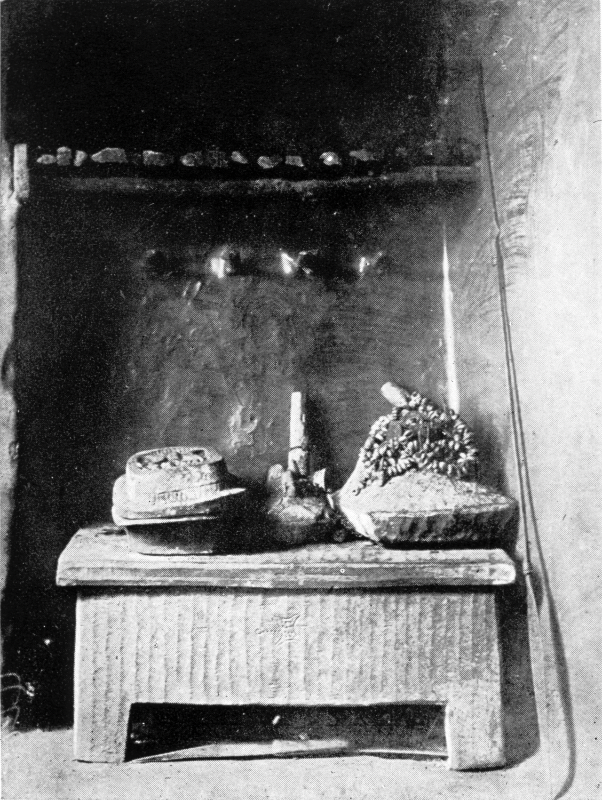
Nri once ruled Igboland through ritual, not force. Now, young Igbo are returning to Odinani, reviving a system that treats land, morality, and community as inseparable.
By Joy Ntishor Kelly· 8 min

Abiku and Ogbanje look like the same spirit child. Yoruba and Igbo literature tell two very different stories.
By Sunday Stephen Laabes· 9 min

Nnamdi Anyadu's collection of stories locates the full complexity of Nigerian life inside the rituals of cooking, eating, and being fed
By Shalom Kasim· 4 min

For the Tangale, their supreme being is Yamba, a calm, feminine presence people speak to directly.
By Sunday Stephen Laabes· 4 min

What Igbo tradition says about dada children.
By Akunna Danugwu· 4 min

The past few years have been marked by major crises like the COVID-19 pandemic, economic strain, AI growth, as well as smaller habits like sharing WhatsApp prayers and warnings.
By Isreal Jeremiah· 7 min

What really happens when Ọ̀yẹ̀kú Méjì appears in an Ifá consultation, and why it is nothing like the fatalistic prophecy most people expect.
By Sunday Stephen Laabes· 6 min

Misunderstood for centuries, Esu is really life’s way of saying, “Look what you just did.”
By Akunna Danugwu· 5 min

Weddings are sweeter when you eat Adau and feel part of something bigger —at least that is how the Tangale do it.
By Sunday Stephen Laabes· 6 min

Her allure is a test: the closer you get to prosperity, the higher the stakes.
By Favour Ayuba· 3 min

Colonial tales turned wise women into magical women. Here is the story.
By Obiotika Wilfred· 6 min

Survival tactics of today are forming the myths that would define the future.
By Somtochukwu Udeozo· 7 min

How ancient Yoruba myths divide power between men and women, and why it still matters.
By Favour Ayuba· 3 min

Turns out, Christianity did not erase African traditions. It just learned to speak their language.
By Somtochukwu Udeozo· 5 min

While Nigerian families watched the news in safety, the state was busy breaking its social contract with 276 girls through strategic denial.
By Nneoma Sally· 4 min

Over time, the Bumba creation myth of the Bushongo (Kuba) has been interpreted and materialised through Kuba ceremonial objects, masks, textiles, and sculptures.
By Ibukunoluwa Johnson· 6 min

Staying home in Lagos was hard and strange, but it also gave me time to notice the little things.
By Adédoyin Àjàyí· 5 min

A personal narrative as an undergraduate student at the University of Maiduguri in 2015, during the height of the Boko Haram insurgency in northeastern Nigeria.
By Sunday Stephen Laabes· 9 min

From around 2015, there arose an unusual spike in the Pentecostal concept of “spiritual cleansing.”
By Precious Peters· 4 min

When a moth infestation wiped out tomato supply, Nigerians were forced survive on improvisations.
By Somtochukwu Udeozo· 7 min

Ogbunabali is a feared figure in Igbo folklore, known as the “killer of the night.” He does not kill randomly; he targets those who have committed serious wrongs, announces their deeds, then goes ahead to punish them.
By Nneoma Sally· 5 min

The Sùkú hairstyle serves as a repository of Yoruba history and philosophical tradition. And although materials and social access have evolved, the core imperative of the hairstyle remains constant: to utilize complex artistry to honor and elevate the Orí.
By Jemima Oluwaseun· 6 min

From self-funding to self-taught development, this is a behind the scenes reflection on what it has taken to keep Oriire alive and why community support is now essential to preserve and protect African mythology for the future.
By Sesi Morgan· 5 min

A reflection on the slow disappearance of African mythology from popular culture, and a call to preserve what remains. This piece explores why myths matter, how they shape identity, and why documenting African stories is an act of preservation and self-determination.
By Sesi Morgan· 4 min

South Africa has plenty of fusion street foods that tell stories of adaptation and survival, but the Bunny Chow, a hollowed-out loaf of bread filled with curry, born out of the necessity of its times, became the sign of a subtler resistance to apartheid structures.
By Inumidun Seyiolapade· 6 min

A lot of things have happened in November so far. The most interesting ones for me are the Eurobond issued by the FG, S&P's upward review of Nigeria's economic outlook, and the MOWAA protests. All of these tie to our prompts.
By Shalom Kasim· 4 min

She wrote history, but history forgot about her name. Learn the true power behind Egypt's well-preserved and protected history as well as the deity actively documenting the destiny of every pharaoh.
By Nneoma Sally· 7 min

According to studies cooking and sharing a meal during a Kenyan burial helps the bereaved individuals process their grief in a healthier manner. This article helps to clarify how shared food acts as the tangible vehicle through which this prosociality is exprssed and consumed.
By Rachael Akinlolu· 9 min

Zeb Ejiro's Domitilla followed a young woman selling sex to survive in a Lagos gutted by Nigeria's Structural Adjustment years. Beneath its melodrama, the 1996 film preserves how women bore the weight of economic collapse, and it stands today as an archive of the decade itself.
By Precious Peters· 5 min

The Himba people of Namibia are a resilient, semi-nomadic community known for their striking red ochre skin, elaborate hairstyles, and deep spiritual connection to cattle and the ancestral fire. Their traditions — from marriage customs to music, storytelling, and adornment — reflect a way of life that balances survival in a harsh desert with beauty, identity, and heritage. Despite modern challenges, the Himba remain a living symbol of culture, endurance, and pride.
By Victor· 8 min

Living in Bondage (1992) followed Andy Okeke's rise on a tide of blood money and his descent into haunted ruin. Nollywood's first blockbuster caught a Nigeria rattled by economic collapse and spiritual dread in the SAP years, condensing the decade's anxieties onto VHS.
By Somtochukwu Udeozo· 10 min

The Maasai traditional diet, which consists of milk, blood, and meat, operates not merely as a source of sustenance but as a sacred system that is integral to the spiritual and social structure of the community. This article analyses how the ritual consumption of these foods anchors major life transitions, such as eunoto and olng'esherr, ensuring the continuity of cultural heritage.
By Nneoma Sally· 8 min

Arọ̀ni stands out as a mysterious spirit of the forest who embodies the threshold between the human and the non-human. He dwells deep in sacred groves (igbo mímọ́), guiding humans who show reverence and punishing those who desecrate the land.
By Shallom Paul· 6 min

Osun is the Yoruba river goddess, whose myth and covenant with the people of Osogbo reveal how spirituality serve as a framework for environmental preservation. Through the Osun-Osogbo Sacred Grove and the enduring reverence for her waters, the narrative uncovers how myth function as a powerful tool of conservation still relevant in today’s world.
By Akunna Danugwu· 6 min

The Hausa turned clay into culture, raising the earthen walls and intricate plasterwork that still define cities like Kano. Shaped by the demands of climate and faith, their buildings made ordinary tools and spaces into works of art.
By Akunna Danugwu· 6 min

Tapped from the sap of palms and left to ferment by wild yeasts, palm wine sours from sweet to sharp within hours of leaving the tree. Across Africa and its diaspora, the milky drink has long lubricated ceremony and bound communities, an everyday wine poured at the heart of social life.
By Gbenga Salvador· 6 min

Death isn't the end of life; rather, it is a journey to another phase, so the Esan people believe. This article explores the Esan belief in Iroso/Orọ.
By Tracy Osaremhen· 6 min

While Western society was busy telling women to stay in the kitchen, Yoruba women were out running the markets, controlling the wealth, and holding so much power that not even a king could tell them what to do. The question is how?
By Inumidun Seyiolapade· 11 min

Are you one of the people who think Timbuktu is a mythical land of desert and dust? Think again, because this place was an old-time Silicon Valley that valued books more than cars and had a decentralized library system as the best cloud storage network a city could ask for.
By Inumidun Seyiolapade· 14 min

What if your destiny was a choice you made before you were even born? Dive into the Yoruba philosophy of Ori, a spiritual concept that explores the profound connection between your "inner head," your unique purpose, and the divine spark within.
By Jemima Oluwaseun· 15 min

Across Africa, fermentation has long turned plain grains and seeds into food that keeps and nourishes. In Plateau State, the seeds of the African locust bean become dawadawa, a pungent seasoning that ties the Ngas, Berom, and their neighbours to a wider West African heritage.
By Chinwendu Calista· 8 min

At Ounjougou in Mali, archaeologists found pottery more than eleven thousand years old, among the oldest on earth. Made by hunter-gatherers in a green and well-watered Sahara, these humble fired pots reshaped how West Africans stored food long before farming or cities.
By Precious Peters· 4 min

In Igbo thought, destiny is a bargain struck before birth, witnessed by God and the ancestors, then carried out in the open world. It turns on the bond between chi, the personal god who assigns a fate, and ikenga, the will to achieve it, and a person's own choices can still strengthen or destroy it.
By Somtochukwu Udeozo· 9 min

Women are prominent in the most important aspects of life in Akan Society. Explore how decisions in defense, trade, politics and familial matters are determined by women.
By Shallom Paul· 7 min

Ukpaka is the Igbo name for the African oil bean, whose hard black pods burst open with a clap to scatter their seeds. Fermented into a pungent, protein-rich condiment, it flavours Igbo delicacies and feeds the good bacteria of the gut.
By Nneoma Sally· 7 min

In Eastern Nigeria, the tapper rises before dawn to draw the milky sap that sweetens, then sharpens, as the day wears on. Among the Igbo, palm wine seals marriages and marks every milestone, its fermentation as much a matter of culture as of chemistry.
By Precious Peters· 6 min

Long before colonial rule, Nigerian women held real political and spiritual power, and no Yoruba king could be installed without the blessing of female chiefs like the Iyalode. From the Umuada of Igboland to the kingmakers of old Oyo, women governed and judged within their own communities.
By Ogundeko Toluwanimi Alexis· 6 min

In Zulu belief, the Tokoloshe is a small, hairy water spirit said to bring illness and bad dreams in the night. Feared as it is, it also helps keep order, often blamed when envy or ill will is suspected behind a household's misfortune.
By Precious Peters· 7 min

The Agojie were an all-female regiment who guarded and expanded the kingdom of Dahomey, sworn to celibacy and trained from girlhood to fight. Known to their own people as Mino, "our mothers", they met French colonial troops on the battlefield and became legend across West Africa.
By Precious Peters· 7 min

In the world of Zulu folklore, the line between human and spirit is thinner than the walls in a rental apartment and one can only hope that these ancestors are on their sides, because Lightning can indeed strike the same place twice.
By Inumidun Seyiolapade· 11 min

Unripe plantain porridge holds a special place in Igbo culture, not just as food, but as medicine and memory. This piece looks at its roots as a healing meal, its preparation with local ingredients, and the blend of traditional and scientific views that affirm its value.
By Precious Peters· 5 min

What if a god’s most profound gift was not an endless supply of miracles but the freedom to choose? Step into the Maasai’s unique world, where their god, Enkai, gave cattle as an initial gift, laying the groundwork for their entire culture.
By Nneoma Sally· 11 min

Among the Fon of Benin and the Ewe of Togo and Ghana, no sacrifice or prayer reaches the gods until Legba opens the way. Created by the divine twins Mawu-Lisa, he is the gatekeeper and divine linguist, a trickster who both guides and tests the mortals who seek him, from West Africa to Haitian Vodou.
By Precious Peters· 5 min

The Chisungu initiation rite among the Bemba of Zambia is a structured process that guides girls into adulthood. Through education, discipline, and ritual, it shapes identity and prepares them for their roles within the community.
By Shallom Paul· 6 min

Waakye (pronounced “wah-chay”) isn’t just rice and beans; it’s a Ghanaian classic with a story to tell. This article highlights its many variations and traces how the dish journeyed across the Atlantic, leaving its mark on food cultures far beyond Ghana.
By Inumidun Seyiolapade· 15 min

Hibiscus sabdariffa is more than a vibrant drink ingredient, it’s a plant with deep historical roots and remarkable health properties. From its role in traditional cultures to modern scientific research, this piece looks at how hibiscus has endured as both a cultural staple and a subject of cutting-edge study.
By Inumidun Seyiolapade· 12 min

In Zulu belief, the living are never truly separated from the ‘living-dead.’ At the center of this connection stand the izangoma, diviners chosen to speak with the ancestors. But what does it take to become the sole voice between worlds?
By Jemima Oluwaseun· 14 min

Ṣọ̀pọ̀na, known in Yorùbá belief as one of Olodumare’s punitive deities, holds a complex role in traditional religion. Associated with both disease and healing, he embodies functions that address punishment and restoration. This piece examines his attributes, responsibilities, and place within the broader Yorùbá spiritual framework.
By Jemima Oluwaseun· 11 min

Teff is one of the world’s tiniest grains, but its nutritional and historical significance is anything but small. Take a look at how its unique structure preserves its full nutritional value and explore its role in feeding generations across time.
By Jemima Oluwaseun· 14 min

How has West Africa dealt with its role in the history of slavery? This article reflects on Emancipation Day and looks at the need for open dialogue and renewed connection with the global Black diaspora.
By Somtochukwu Udeozo· 14 min

Justicia carnea, the bright-flowered plant Nigerians call the blood leaf, has long been brewed by traditional healers to enrich the blood. The Yoruba know it as Ewé Èjè, the Igbo as Ogwu Ọbara, names that both translate to blood.
By Chinwendu Calista· 6 min

Among the Ohafia of Abia State, courage was once proven on the battlefield, where a young man took the head of his strongest foe to be counted a man. Their war dance, Ikpirikpi Ogu, keeps that warrior past alive, teaching each new generation what honour and manhood once demanded.
By Somtochukwu Udeozo· 9 min

How does one become a respected man in the Senufo community? Discover and explore the Senufo Poro society's hidden ceremonies, which put genuine adulthood to the test through rigorous spiritual and mental training as well as nonverbal instructions.
By Nneoma Sally· 8 min

Among the Dan people of west-central Côte d'Ivoire and northern Liberia, Gle masks aren't just carved objects sitting behind glass. This exploration dives into how the entities behind these masks function as both spiritual guardians and problem-solvers in Dan society.
By Inumidun Seyiolapade· 14 min

Among the Senufo of Côte d'Ivoire, a boy is not yet a man simply because he has grown. Only after seclusion, where he learns courage and responsibility and is symbolically reborn, does the community accept him as an adult fit to take part in its decisions.
By Akunna Danugwu· 8 min

Among the Hausa people of Northern Nigeria, physical objects such as charms, amulets, and ritual instruments are not merely symbolic—they are believed to contain or attract spiritual forces.
By Shallom Paul· 4 min

The Ojude Oba Festival is an annual celebration by the Ijebu-Yoruba people that blends Islamic faith, Yoruba kingship, and traditional culture to honor the Awujale. It reinforces communal identity and heritage through age-grade processions, music, dance, regalia, and horse-riding displays.
By Eleojo· 14 min

The film Sinners (2025) explores the relationship between African diaspora spirituality, ancestral presence, and African traditional religions. It examines how these elements intersect, reflect, and reinterpret indigenous African belief systems in contemporary contexts.
By Shallom Paul· 5 min

Death isn't the end—it's just the beginning of an incredible journey home. This article will take us through the world of Yorùbá Ìsìnkú practices and taboos, where funeral rites aren't just about saying goodbye but about ensuring safe passage through the afterlife.
By Inumidun Seyiolapade· 13 min

Ever cracked an egg and found the universe inside? The Dogon cosmic egg cracks open questions about the transmission of knowledge, the nature of human observation, and the complex relationship between mythology and empirical understanding.
By Jemima Oluwaseun· 12 min

Consider the passage of time intertwined with environmental observations and words left behind by spirits. This article dives into how the Igbo man calculated time despite having no prior awareness of its existence.
By Nneoma Sally· 11 min

Oríkì is Yoruba praise poetry, words that hail a person's lineage and destiny. Filmmakers in Yoruba-language cinema have carried it onto the screen, giving a fading oral art a new home in the digital age.
By Jemima Oluwaseun· 9 min

C.J. Obasi's Mami Wata brought the half-woman, half-fish water deity of West Africa to screens far beyond the continent. The film keeps faith with some of the old lore and bends the rest, raising the question of how African cinema should handle its own gods and spirits.
By Jemima Oluwaseun· 8 min

In 2023, Netflix brought the urban legend of Madam Koi-Koi to global screens with "The Origin: Madam Koi-Koi," Nollywood's first horror series on the platform. But the question is, did they get her right? Let's compare the ghost we grew up fearing to her slick new streaming makeover.
By Inumidun Seyiolapade· 8 min

Djibril Diop Mambéty never trained a day in film, yet he built a cinema all his own from satire and dreamlike images. In his hands the camera became a griot, carrying West Africa's oldest oral storytelling into a wholly modern form.
By Inumidun Seyiolapade· 10 min

Brazil's dance-fight of music and disguised blows did not begin in Brazil. It grew from Engolo, a combat-dance of Angola that enslaved Africans carried with them across the Atlantic.
By Akunna Danugwu· 7 min

Ever seen those gorgeous geometric patterns in movies about Haiti? Those aren't just fancy floor decorations—they're vèvè, the spiritual calling cards of Haitian Vodou. This article will delve into the evolution of these ground drawings, from their potential roots in Dahomean traditions to their sacred and symbolic role in contemporary Haitian Vodou.
By Inumidun Seyiolapade· 9 min

Mamlambo isn’t the typical nurturing or protective goddess many might expect. Originating from South African folklore, she’s often described as a powerful water spirit with the ability to shape-shift. In this article, we’ll explore her origins, the legends that surround her, and what makes her one of the most distinctive figures in African mythology.
By Nneoma Sally· 13 min

The ancient Egyptians believed that death marked the beginning of a soul’s journey to eternal life. Central to this belief was the Duat — the Egyptian underworld — through which the soul had to travel. This article explores the twelve gates of the Duat, the guardians who watched over them, and the meaning of each stage in the soul’s passage to eternity.
By Inumidun Seyiolapade· 12 min

Osun is the Yoruba goddess of fertility and fresh water, the only woman among the seventeen orisha sent to shape the world. Each August in Osogbo, thousands follow the king and the sacred Arugba to her river shrine for the climax of a fourteen-day festival.
By Comfort Polit· 6 min

The Vai script is one of West Africa's best-documented ancient writing systems, and thanks to this remarkable fit, modern historians and the Vai people themselves can trace their origins and understand their ancestral way of life.
By Nneoma Sally· 10 min

The text explores three African trickster figures—Anansi, Eshu, and the Hare—who use cleverness to outwit others and challenge social norms. Though from different cultures, they all highlight the power of intelligence over strength.
By Eleojo· 6 min

Despite the hardships of the slave trade, African spiritual traditions endured, carefully preserved and passed down through generations. Today, several religions stand as powerful testaments to the resilience and intentional efforts of diasporic communities to uphold their cultural and religious heritage.
By Gbenga Salvador· 5 min

Centuries of migration, enslavement, and resettlement have spread Africans—and their food—across the globe. It's fascinating to see how dishes from distant countries share striking similarities, yet reflect subtle local twists.
By Ogundeko Toluwanimi Alexis· 6 min

Colonial schooling insisted Africans had no writing of their own, a claim Nsibidi quietly disproves. This ancient system of symbols from the Cross River, some of it centuries old, recorded meaning among the Efik and Igbo long before the missionaries came.
By Peace· 6 min

With its piercing sight and command of the skies, the falcon became ancient Egypt's emblem of divine power, bound to the gods Ra and Horus. It watched over kings and funerary rites, and its image still endures in falconry and on the emblems of North African nations.
By Ibukunoluwa Johnson· 7 min

Founded by the Ife prince Oranmiyan, the Oyo Empire grew from a single savanna town into the dominant Yoruba power, its cavalry ranging from the Atlantic coast to the Sahel. At its height in the 17th and 18th centuries, it forced even Dahomey to pay tribute before its long decline.
By Miracle· 5 min

Oriire is introducing monthly writing prompts for paid submissions.
By Oriire· 1 min

For the Babur, marriage is planned right at the birth of the bride. Like an investment, it is nurtured and watched carefully untill the celebration of they union.
By Shallom Paul· 4 min

This captivating story will take you on a journey through the Legend of the Great Warrior Lisabi and the Egba community in Western Nigeria.
By Comfort Polit· 10 min

Deep within central Nigeria, an ancient civilization once flourished, leaving behind a legacy as mysterious as it is captivating. Known as the Nok culture, this society thrived between 1500 BCE and 500 CE, predating many prominent civilizations in sub-Saharan Africa.
By Miracle· 6 min

Ngorda dance is the signature dance of the Terawa people of Gombe State, Nigeria.
By Shallom Paul· 4 min

When the Igala faced defeat by the Bini kingdom, the oracle demanded a terrible price, and Princess Inikpi, the only daughter of Attah Ayegba, gave her life to meet it. Her sacrifice turned the war and made her one of the most cherished figures in Igala history.
By Gloria Anefu· 5 min

In the heart of Benin City, where ancient myths still cling to the air like morning mist, whispers of Ovia echo through the cobbled streets. A deity of peace and providence, Ovia emerged during a time of unrest, bringing with her a cloak of tranquility and fostering harmony among the people.
By Comfort Polit· 8 min

In the 16th century, the Nupe pushed south into Edo country, set on conquest and leaving Islam in their wake. The Esan, a people of thirty-five kingdoms known as skilled warriors and herbalists, stood in their path.
By Stacey Osalumhense· 11 min

In most tribes in the world, the creator of the world is regarded as a male. But among the Ijaw people of Nigeria, the world is created by a female (Woyengi). This is the Ijaw creation story of humans, and a woman who tries to fight her creator.
By Oghenevwegba Logan· 9 min

A boy arrives in the city with nothing but determination and is taken in by an established trader, his Oga, who feeds and teaches him for years. In return he is settled with capital and a shop of his own, the engine of Igbo apprenticeship that has built wealth across generations.
By Miracle· 6 min

Ayelala is the goddess of justice worshipped along the Ilaje and Ikale coast, where her name alone is enough to frighten the guilty. She is said to see through every lie and to strike the wicked with sickness and storm, while shielding those who keep their oaths.
By Comfort Polit· 7 min

Yaa Asantewaa is a formidable female personality in Ghanaian history. This article delves into her life, the sociopolitical context of her time, her legendary leadership during the war, and her enduring legacy.
By Jemima Oluwaseun· 6 min

The history of Modjadji is one from the Balovedu tribe of South Africa. The article delves into the significance of this personage and her importance to the people of her tribe.
By Inumidun Seyiolapade· 7 min

In Igbo belief, every person arrives in the world with a chi, a personal deity granted by Chukwu that shapes destiny and character from birth. More than a guardian, it works as a moral compass, and its place in ritual and proverb still anchors how the Igbo understand themselves.
By Miracle· 3 min

The Rimi, a tree that houses spirits?
By Shallom Paul· 4 min

Olumo Rock, located in Abeokuta, Nigeria, is a historic landmark and symbol of Egba resilience. The rock served as a refuge for the Egba people during 19th-century inter-tribal wars. Lisabi Garden, the Cave, and the Peak comprise Olumo Rock, each telling stories of Egba history and culture. Today, Olumo Rock represents the Egba people's unwavering determination and cultural heritage.
By Gloria Anefu· 6 min

Nigeria's economy once thrived on agricultural exports, particularly cocoa and groundnuts. This article explores the rich history of these products and how they contributed to the country's economy before the oil boom.
By Ogundeko Toluwanimi Alexis· 5 min

Among the Ashanti of Ghana, the towering silk umbrella called Kyinie shelters no one from the rain. Seven feet tall and richly coloured, it rises over a chief at durbars and funerals to announce his authority.
By Nene· 6 min

The topic IGIOGBE, focuses on succession in the native Bini Kingdom which transcended into the modern Benin Kingdom. This essay sheds light on the idea behind inheritance and the spiritual implication inclined with first born sons inheriting the IGIOGBE title.
By Grace Oshiname· 9 min

Long before Shakespeare reached Nigerian classrooms, the Afikpo Igbo were staging Okumkpo, a masked theatre of satire and song. Performed by up to a hundred men in wooden masks during the dry season, it turned sharp social commentary into spectacle.
By Nene· 7 min

Explore the rich history of Kente cloth, the intricate art of weaving by the Ashantis of Ghana, and the cultural significance, taboos, and traditions that surround this iconic textile.
By Nene· 6 min

The Ashanti Drum Language is an intricate communication system using drumming to convey messages across villages in parts of Ghana. Learn how drums speak through tonal rhythms and the cultural significance behind them.
By Nene· 5 min

Before the advent of modern law enforcement and judiciary systems, the Idoma tribe of Nigeria sought justice and guidance from their ancestral spirit, Alekwu, who is believed to ensure justice, peace, fairness, and prosperity. The Alekwu tradition is deeply rooted in their culture and is celebrated annually during the Eje-Alekwu festival, to honour the ancestral spirit.
By Gloria Anefu· 5 min

The illustrious Mami Wata is a deity of great reach and many different faces. This article dives into the waters she visited and takes a look at the regional variations of her myth.
By Inumidun Seyiolapade· 10 min

Iwas are spirits in the diasporic religion of Voudou. This article explores their journey over transatlantic waters to the Caribbeans where they finally settle into Haitian soil.
By Inumidun Seyiolapade· 12 min

The ogbanje is an Igbo spirit child who is born, dies, and returns to the same mother again and again, each cycle deepening her grief. To break the bond, a dibia must find the iyi-uwa, the hidden object that ties the child to the mortal world.
By Miracle· 3 min
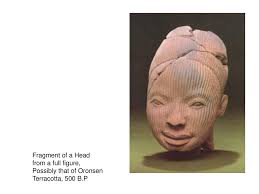
Six centuries ago, King Rerengejen of Owo married Oronsen, a beautiful stranger who revealed herself to be an orisha bound to him by three sacred taboos. When his other wives broke them in his absence, her fury reshaped the kingdom, and Owo has honoured her every year since with the Igogo festival.
By Comfort Polit· 4 min

A'ko is an ancestral spirit, venerated as a god by the Gbagyi people. Gbagyi is one among the many ethnic groups that are domiciled in the Middle Belt of Nigeria, spilled within the North Central States of Niger, Kwara, Kogi, Nasarawa as well as Abuja, the nation's capital and also in the Northwestern State of Kaduna.
By Shallom Paul· 5 min

For more than two centuries, the horsemen of Kano rode out to show the Emir their readiness for battle. Today that display survives as the Durbar, a thunder of horses and drums each Eid that still reaffirms the authority of the northern emirates.
By Comfort Polit· 5 min

Northern Nigeria before the advent of Islam practiced some form of animism, called Maguzanci or Bori. The belief is such that spirits exist among us and the practice of adorcism, which involves the traditions of music, dance, and other ritualistic practices that will invoke these spirits and cause them to possess persons. Spirits are invoked to possess people with the belief that they grant healing, fertility, strength, foresight, invincibility, knowledge, and understanding, among other supernatural gifts.
By Shallom Paul· 6 min

The topic of the transcendental Cwezi people of Uganda who existed thousands of years ago, is one that is filled with speculations and hypotheses. This article aims to shed light on the historical, cultural, religious, and mythical aspects of these conjectural beings, by delving into their origins, heritage, and attributes.
By Inumidun Seyiolapade· 11 min

Zuma Rock, one of the most famous landmarks in Nigeria is known for its conspicuous face silhouette. In this article, we delve into the myths and legends surrounding this iconic rock.
By Ogundeko Toluwanimi Alexis· 5 min

Founded around 1500 in the hills of Oyo State, Ado-Awaye guards seven natural wonders that have puzzled visitors for generations. Among them is the Ishage Rock that the chief priest wraps in white cloth to call the rain, and a lake said to hang suspended on the mountaintop.
By Comfort Polit· 3 min

For nearly a thousand years, the people of Idanre lived atop the towering rocks of Oke Idanre in Ondo State. Their settlement began with a descendant of Oduduwa who fled Ile-Ife with a stolen crown, and the hill still guards the palace and shrines of that long history.
By Jemimah Ekundayo· 7 min

The abiku is a spirit child the Yoruba believe is born only to die young and return to the same womb again and again. Caught between the world of the living and the spirits, it carries supernatural knowledge and leaves grieving families searching for ways to break the cycle.
By Inumidun Seyiolapade· 8 min

Long before it was ever a slaver's brand, scarification was an art across Africa, and among the Yoruba the marks are known as ila. Cut with a blade and stained with charcoal, they once named a person's family and lineage at a glance, and were even used to keep abiku children from dying.
By Inumidun Seyiolapade· 7 min

Adire has been in existence for decades and it is more than a fashion statement, it tells the stories of our people and shows their way of life.
By Tarinabo· 5 min

Evolution of High School Legends: Shapeshifting Narratives Across Generations" explores the dynamic nature of Nigerian high school legends, such as Madam Koi Koi, Bush Baby, and the Bunk Shaker, revealing how these enigmatic tales adapt and transform with each passing generation. Rooted in the oral tradition, these legends bridge the cultural shifts, technological advancements, and societal changes within high schools, ensuring their enduring resonance as students continue to share, embellish, a
By Adesua· 10 min

The boat regatta is a festival popular to people of the riverine communities in Nigeria. A regal festival of colors and dance that tells the story and shows the culture of the people.
By Tarinabo· 6 min

Ifá worship, deeply rooted in Yoruba culture, utilizes mathematics and logic in its divination process, ensuring accuracy and providing guidance through the interpretation of sacred symbols and numerical associations. This unique blend of mathematics and logic reflects the Yoruba people's profound respect for the divine and their commitment to navigating life's complexities through this ancient and revered tradition.
By Babadasoola· 4 min

The Efik of the Cross River carry their history in myth, from a long migration out of Arochukwu to the creation work of Abassi, the giver of life. They never wrote these myths down, preserving their gods and mythical creatures in spoken tradition instead.
By Stacey Osalumhense· 8 min

The famous Nok terracottas come from the land of the Ham, a people of southern Kaduna few Nigerians can actually name. Farmers and ginger growers who speak Hyam, they are now pushing back against "Jaba", the outsider's label they consider a slur.
By Zainab· 4 min

Tracing the mathematical development from the Nile to the Niger reveals a rich heritage in Africa, with ancient civilizations like Egypt demonstrating advanced knowledge in geometry and arithmetic, while the empires of Ghana, Mali, and Songhai contributed to mathematics through manuscripts covering diverse fields. Despite colonial disruptions, contemporary initiatives aim to revive indigenous mathematical traditions, showcasing Africa's ongoing role in global mathematical discourse.
By Olubayo Stephen· 4 min

When a strange voice calls you out of your home at night in old Bornu, the Kanuri warn that it may not be human at all. The bultungin is their were-hyena, a person who turns into a cannibal beast, reeking of rotting flesh, to lure victims into the dark.
By Precious Emmanuel· 3 min

Igbabonelimhin, the acrobatic masquerade of the Esan, takes its name from words meaning "clapping for the spirits". Legend says a hunter first saw the somersaulting dance performed by gorillas in the forest, and the Esan have used it ever since to commune with their ancestors and cleanse the land.
By Tracy Osaremhen· 6 min

It is about the history of Warfare and its evolution in Pre-colonial West African States through the revolutionary discovery of horses as weapons of war
By David Olushola· 16 min
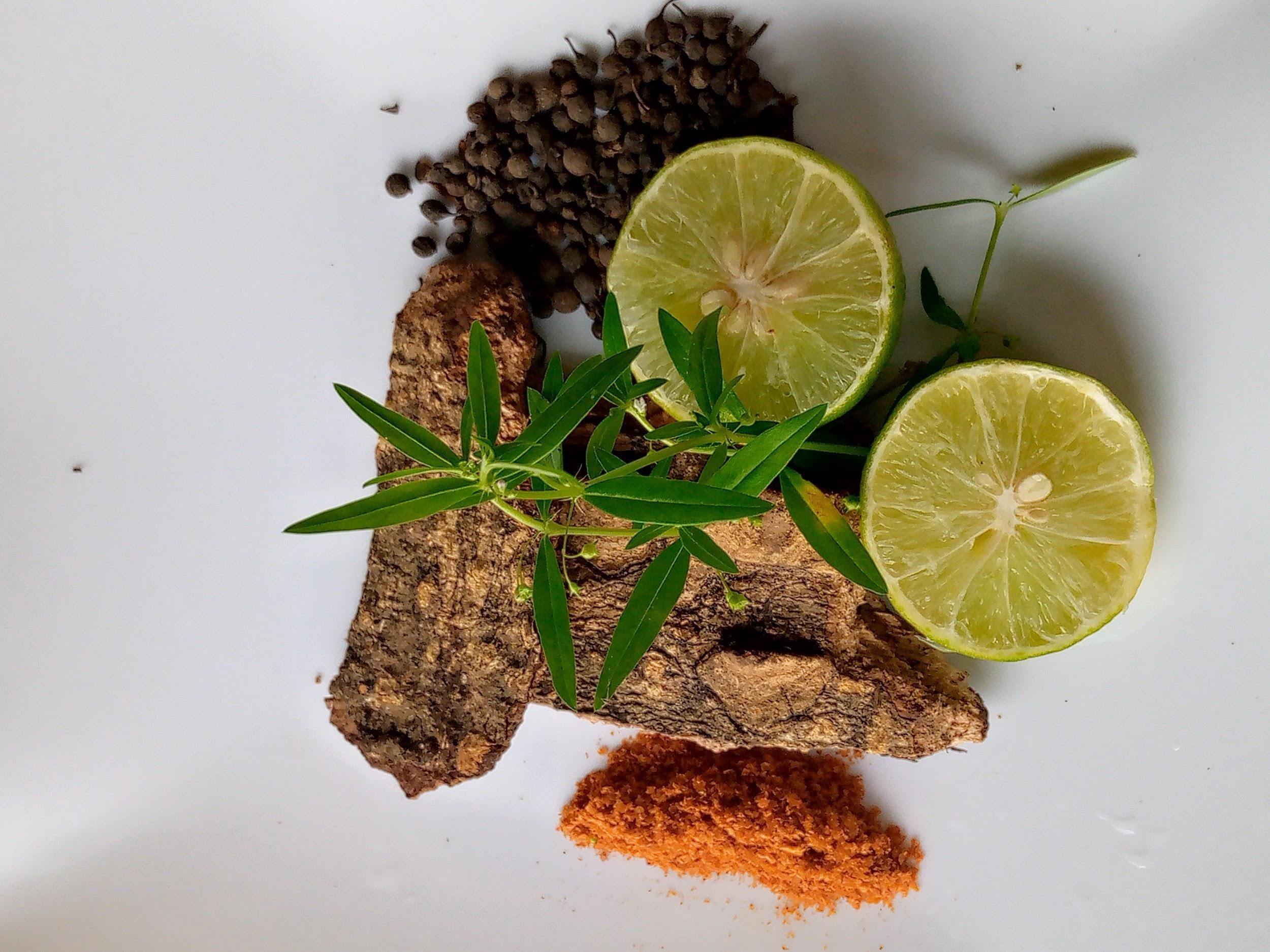
The Esan name Okosun means son of Osun, their god of medicine and the force believed to dwell inside every healing leaf. Among the Esan of central Edo, herbs are both medicine and inheritance, bound up with how the people name their children and care for one another.
By Tracy Osaremhen· 7 min

British rule reached Yorubaland and rewrote how it was governed and schooled, replacing kings with warrant chiefs and shrines with missionary classrooms. Yet Yoruba society absorbed the shock, carrying its language and identity through the upheaval.
By Aderinsola Aberuagba· 6 min

On the north bank of the Lagos Lagoon sits Epe, an old Ijebu port that once traded cloth and sheltered the exiled king Kosoko. Its yearly Kayo-Kayo festival carries that history forward, drawing the fishing town together in a celebration generations deep.
By Jemimah Ekundayo· 4 min

Each Easter, the Ngas of Plateau State gather for Pusdung, a thanksgiving for the harvest that has grown from a single day into a week of celebration. The festival draws families home from across Nigeria and offers up gratitude for the land and a plea for its blessing.
By Comfort Polit· 5 min

While some peoples once feared twins as ill omens, the Yoruba came to revere them as Ibeji, sacred children who share a single soul. They are protected by Shango, and when one twin dies a small wooden figure is carved to hold its spirit.
By Chioma Diana· 5 min

The Igbo see the world as a crowded web of spirits, where rivers and forests each hold a presence of their own. Ancestral spirits watch over the living and offer guidance, binding the dead and the unborn into the moral life of the community.
By Owobusola Oluwapelumi· 6 min

In this detailed piece, the Yoruba belief of the afterlife is explored, shedding light on the spiritual journey of the soul beyond the mortal realm. The article elucidates the concepts of "Orun," the realm of the ancestors, and "Aye," the earthly world. It delves into the rituals and practices performed by the Yoruba people to honor their ancestors and ensure their safe passage to the afterlife. The rich tapestry of Yoruba cosmology and the enduring significance of ancestral connections are beau
By Aderinsola Aberuagba· 5 min

This engaging article delves into the captivating Igbo creation myth, unveiling the cosmic dance of Chukwu-Okike and Eke that gave rise to the universe. It explores the creation of humanity, the fall from grace, and the quest for redemption, weaving a vivid tapestry of divine beings and elemental forces. The myth's profound lessons and cultural symbolism are elaborated upon, reflecting the Igbo people's spiritual heritage and their belief in the cyclical nature of existence.
By Adesua· 6 min

Each January in Umuahia, the Igbo bring out the Ekpe masquerades, costumed embodiments of the ancestors, to dance through the streets. The festival honours the dead and draws the living together, a yearly spectacle that pulls crowds from across Nigeria and beyond.
By Precious Odichinma· 5 min

The Bantu dispersal across sub-Saharan Africa had a profound impact on the continent's culture, language, history, and education. The migration of the Bantu people influenced the formation of diverse societies, the spread of Bantu languages, the development of political entities, and the transmission of knowledge, leaving a lasting legacy on African heritage and contributions to the world.
By Olubayo Stephen· 6 min

Across Africa, symbols carried meaning long before the printing press. Adinkra, hand-carved onto Ashanti cloth to stand for wisdom and proverb, and Nsibidi of Igbo land were two systems that recorded thought in form rather than alphabet.
By Olubayo Stephen· 4 min

Each year, as the rains give way to harvest, Igbo and Idoma communities mark the New Yam Festival, or Iri Ji. No one may eat the new yam until the first of the harvest has been offered in thanks to the ancestors.
By Fiyinfoluwa Victory· 4 min

The Oro masquerade is the voice of the ancestors among the Yoruba, a night ritual so sacred that the uninitiated, and often all women, must stay indoors while it passes. Born among the Yoruba of Nigeria and taken up by neighbouring peoples like the Edo and Ijaw, it has long stood as a bridge between the dead and the living.
By Greatmichael· 4 min

Long before Europe credited itself with inventing modern diplomacy at Westphalia, the Oyo, Dahomey, Benin, and Kanem-Bornu empires were already managing treaties and the balance of power among themselves. Between 1600 and 1800, West African statecraft built and toppled empires through negotiation as much as war.
By David Olushola· 15 min

Hubert Ogunde, a visionary filmmaker born in Ososa Ijebu, Nigeria, revolutionized Nigerian cinema with his groundbreaking films and theatrical performances. Through his commitment to authentic storytelling, cultural preservation, and social change, Ogunde's legacy continues to inspire artists and audiences, leaving an enduring impact on Nigerian cinema and the wider world of film.
By Babadasoola· 9 min

Olodumare gave Obatala a bag of sacred earth and sent him to shape the world and mould the first humans from clay. Revered as the oldest and wisest of the Yoruba orisha, he is honoured as the patron of creation, though his story carries a hard lesson about palm wine and human frailty.
By Fiyinfoluwa Victory· 5 min

Oya is the Yoruba goddess of storms and the violent power of change, wife to Shango and spirit of the river Niger. Worshipped from Nigeria to Brazil and the Caribbean, she is also the deity of death and rebirth.
By Fiyinfoluwa Victory· 5 min

Ewe mythology from Ghana is a captivating blend of spirituality and history, featuring Mawu, the genderless creator deity, and the clever trickster Kwaku Ananse. These myths reflect the rich cultural diversity of Africa and convey moral values while celebrating ancestral heritage.
By Angel Selasi· 5 min

This passage highlights the emergence of Black feminism in Africa, particularly associated with Pan-Africanism. Women in Nigeria played pivotal roles in protests against colonial interference, giving rise to a formidable type of feminism. Funmilayo Ransome-Kuti, a prominent figure in Nigerian feminism, founded the Abeokuta Ladies' Club and led major protests against women's taxation and the monarchy. Her activism extended to national and international levels, earning her honors and recognition f
By Olúwábùkúnmi Abraham Àwóṣùsì· 12 min

Ohafia, located in Abia state, Nigeria, is an Ibo-speaking community with 26 villages, led by Elu as the capital. Renowned for its great warriors, Ohafia's age-grade system plays a crucial role in socializing members and engaging them in community projects. The traditional age-grade retirement ceremony, Ota-omu, fosters unity, economic growth, and respect among its members.
By Peace· 5 min

The uniqueness of Yoruba orishas lies in their multifaceted nature, moral teachings, and connection to nature and human experiences. However, due to the influence of Abrahamic religions, they have been misunderstood, misinterpreted, and demonized. Recognizing and appreciating their complexity is vital for intercultural understanding and preserving Yoruba cultural heritage. Embracing religious diversity and interfaith dialogue can foster a more inclusive and respectful society, enabling a genuine
By Babadasoola· 6 min

When King Ewuakpe of Benin lost the loyalty of his people, his wife Queen Iden offered her own life as the sacrifice that would restore the throne. Hers is one of the rare stories to sing a Benin woman's part in holding the kingdom together.
By Grace Oshiname· 14 min

The Eyo festival, also known as the Adamu Orisa Play, is a revered traditional Nigerian masquerade with deep cultural significance in the Yoruba community. Originating in the early 19th century in Lagos State, it evolved from the ancient practice of honoring deceased kings or chiefs. Unlike its secretive predecessor, the Oro festival, the Eyo festival is performed openly and attracts spectators from all walks of life. Symbolizing unity, it purifies the city, honors ancestors, and plays a vital r
By Fiyinfoluwa Victory· 5 min

From the divine origins of Eri to the cautionary tale of Okonkwo, these stories remind us of the timeless lessons that can be gleaned from the past and the enduring power of storytelling to shape our understanding of the world around us. By exploring and celebrating these captivating myths, we can gain a deeper appreciation for the unique and diverse cultural heritage of the Igbo people and the rich tapestry of human experience that they represent.
By Precious Chidubem· 6 min

Nigeria's rich cultural heritage includes myths, legends, and folklore. The Yoruba myth of creation, "Olodumare and the Seven Orishas," reflects Yoruba cosmology, philosophy, and cultural values, emphasizing cooperation, diversity, and community. It portrays Olodumare as the supreme god and the Seven Orishas as intermediaries between humans and the divine. This myth provides insight into Yoruba traditions and beliefs, highlighting their reverence for creativity, wisdom, and protection.
By Fiyinfoluwa Victory· 5 min

The origin of the Igbo people is rooted in their culture and religion, which involve the worship of deities like Chukwu, Ala, Chi, Amadioha, Ikenga, Idemmili, Ekwensu, and Anyanwu. These deities play important roles in their lives and rituals. Despite the adoption of Christianity, the worship of deities still persists in Igbo culture, shaping their beliefs and practices. Popular festivals are held to honor these gods, such as the New Yam Festival dedicated to Ahiajoku and Ala. Christianity may d
By Paschaline· 5 min

One of the tallest trees of the forest, it is used as a fake teak for its close qualities. But one thing the teak definitively does not have, shutting it in the great timber wood, is its language. Yes, the Iroko can talk.
By Alice Raymond· 6 min

Masa is a soft, pan-fried rice cake from northern Nigeria, beloved among the Hausa and eaten with a sprinkle of sugar or a bowl of miyan taushe. The Bauchi version comes with its own method, a humble dish that carries the everyday warmth of Hausa kitchens.
By Maryam Ibrahim musa· 5 min

Waist beads have deep cultural significance in Africa, representing femininity, fertility, sensuality, and spirituality. They have been used for rites of passage, contraception, and protection against evil spirits.
By Oluwatunmise Adesewa· 3 min

Anansi, a trickster figure from Ghanian mythology is often depicted as a spider who uses his intelligence and cunning to outsmart his opponents and achieve his goals.
By Iwuagwu Ogochukwu Ikechukwu· 4 min

The musical life of Àyìnlá Ọmọwúrà is chronicled in this article which examines his music, life and impact. An Apala musician from Abeokuta, Ayinla's music discussed various societal ills.
By Olúwábùkúnmi Abraham Àwóṣùsì· 7 min

African folklore is rich with stories of spirits and demons. These supernatural beings are said to inhabit various aspects of the natural world and can take many different forms.
By Oladosu Michael Emerald· 4 min

For the month of June, 2023, Oriire is going to be accepting submissions for its second Writing Contest. Submissions will be accepted for three main categories: History, Mythology and Food. Oriire's Writing Contest awards writers from all over Africa an opportunity to tell stories about their culture and to showcase their knowledge about the African Continent in compelling and boldly imaginative ways.
By Oriire· 1 min

Oriire is requesting paid submissions related to African mythology, history and food.
By Oriire· 1 min

Music has long been a tool for resistance and protest in Africa. Throughout history, African musicians have used their art to express political dissent, challenge oppressive regimes, and promote social change.
By Olubayo Stephen· 5 min

Kano city, located in northern Nigeria, is one of the oldest and most significant cities in the country's history. Its socio-cultural identity has been shaped by a variety of factors, including its history, traditions, and myths.
By Olubayo Stephen· 3 min

African history has been shaped by numerous women who have made significant contributions in various fields. Despite facing numerous challenges and barriers, these women have emerged as leaders, pioneers, and trailblazers, breaking stereotypes and paving the way for future generations of women.
By Olubayo Stephen· 5 min

Africa has a rich history of spiritual and cultural beliefs, with a central focus on the elements of nature. One of the most intriguing practices is that of the Rain Maker, a person with the ability to control the weather and bring forth rain in times of drought.
By Olubayo Stephen· 5 min

The Yoruba people are an ethnic group that originated in West Africa, specifically in present-day Nigeria and Benin. However, their influence and traditions have spread far beyond their place of origin, including to South America. The Yoruba culture, and its associated religions, has played a significant role in shaping the societies and cultures of many South American countries, particularly Brazil, Cuba, and Trinidad and Tobago.
By Olubayo Stephen· 3 min

The evolution of currency in West Africa spans centuries and encompasses a wide range of cultures and civilizations. From bartering to cowrie shells, beads, metal objects, European currencies and now digital currencies like Bitcoin. The use of foreign currencies, particularly the US dollar, remains widespread in West Africa, and digital currencies offer a number of advantages over traditional forms of currency, including lower transaction costs and increased security.
By Olubayo Stephen· 3 min

Do you want to be a guest on the Oriire Podcast? We want to hear from you. Every episode we have a discussion about a new topic. Our aim is to celebrate African mythology, history and food.
By Oriire· 1 min

A poem titled 'Our Land'.
By Imole Olusanya· 1 min
Oriire is requesting submissions related to African mythology, history and food
By Oriire· 1 min

Sunday Adeniyi Adegeye is a Nigerian juju singer, songwriter, and multi-instrumentalist who goes by the stage name King Sunny Adé. He is known as one of the first African Pop artists to become popular around the world, and he has been called one of the most influential musicians of all time.
By Olubayo Stephen· 6 min

Hairdressing and hairstyles are strong features for identification and social status among the Yoruba.
By Mojalaoluwa Akin-Adeboye· 7 min

African art became an instrument of aesthetics, an embellishment of worth and cultural glorification, as well as an exploration of anthropological details and the globalisation of African cosmology.
By Olubayo Stephen· 6 min

In 1874,a German traveler, Karl Leche, sent a letter to newspapers across the United States and Europe. His letter gave vivid details of a tree he came across in Madagascar, an island on the east coast of Africa, and how that tree consumes humans, so much that the Mkodo tribe people made human sacrifices to said tree.
By Olubayo Stephen· 3 min

The Mau Mau Uprising is another African history relating to the national activist movement for freedom in Kenya. It was a bloody war of liberation that lasted from 1952 to 1963 and is said to be the foundation of Kenyan independence.
By Imisioluwa Ogunsunlade· 4 min

Myths, legends, magic and masquerades, folktales and fables, spells, spirits, spooky tales, spilling the tea – Oriire is seeking submissions for its publication: a compilation of 25 African-themed spooky stories.
By Oriire· 1 min

The Maasai are an ethnic group who inhabit Southern Kenya and Northern Tanzania. A semi-nomadic group, they are one of the most popular locals in the world, not least because they dwell close to the African game parks but because of their peculiar dress, customs and food.
By Imisioluwa Ogunsunlade· 1 min

Kumbwada is an ancient kingdom with a population of about 33,000 people which is located in Niger, a state in the Northern part of Nigeria
By Imisioluwa Ogunsunlade· 2 min

The marriage traditions of the Hausa ethnic group in Nigeria
By Imisioluwa Ogunsunlade· 3 min

Meanwhile, traditional practices are considered detrimental after being subjected to and evaluated under objective lenses of biological, social, psychological and natural sciences and deemed not to meet the psycho-social needs of man nor are necessary for his development and physical well-being, and therefore negate scientific theory and best practices. Such traditions are known as Harmful Traditional Practices (HTP).
By Imisioluwa Ogunsunlade· 7 min

In any case, attention should be awarded to how we tell our stories so that they can garner the attention of incoming generations. If drastic actions are not taken, our cultural heritages and our pristine identities may not recover from this slippery slide and unguarded free fall into the bin of forgotten history.
By Olanrewaju Adesunloro· 3 min

A folktale about 'Anansi', the legendary Ghanian god.
By Imisioluwa Ogunsunlade· 3 min

Sàngó, also known as Changó or Xangô in Latin America; and as Jakuta or Badé is an Orisha, a deity in Yoruba religion. He is a royal ancestor of the Yoruba as he was the third Alaafin of the Oyo Kingdom prior to his posthumous deification.
By Imisioluwa Ogunsunlade· 4 min

An account of an encounter with a Mami-Wata aka Mermaid
By Chionye Lois· 7 min

It is surprising how much similarity is yet to be uncharted between the African diaspora and the motherland. Here, therefore, we try to draw a nexus between the Brazilian Acaraje and Nigerian Àkàrà.
By Imisioluwa Ogunsunlade· 7 min

A retelling of the 'Queen Moremi' folktale about a legendary Yoruba queen.
By Oluwaseun Beatrice Wende· 9 min

The events in this folktale led to a new custom in Uganda in the old days; but now there is a new law, and no one may go to a witchdoctor at all, and if the police find a man telling fortunes they take him to prison. But still some people are naive enough to go in secret, and have their fortunes told, even though they know this story.
By Imisioluwa Ogunsunlade· 4 min

An entertaining fiction piece about masquerades.
By Fikayo Adeniyi· 8 min

The Hausa myth of Bayajida accounts for the origin of the Hausa. As a wanderer, he came to a place currently called Borno. He was noted for his intelligence and bravery to the extent that the king gave him his daughter’s hand in marriage.
By Imisioluwa Ogunsunlade· 3 min

Growing up, I heard tales of the famous Bush Baby from the older boys in my village that attended the only boarding school in the whole of the district. Whenever they returned home for the holidays, they always had stories and adventures to tell the smaller boys who hoped to be like them someday.
By Bisi Akintomide· 8 min

Efik history traces the origin of Ndem worship to their god’s basin (usan Abasi) which tradition says was a sacred companion of the Iboku people from their oriented home. All through their migrations and sojourn among known and unknown host communities, the Iboku people remained attached to their “usan Abasi” before which they presented requestsof all nature.
By Rachael Bassey· 4 min
![Àyànmò [Predestination]](https://media.oriire.com/images/articles/ayanmo-predestination/07a31e07da_63b9c64af11099c15b4ebef8_57f0ff_0b7b14b2341b4cf3af6476bd2727.webp)
This tale explores the concept of àyànmò (predestination).
By Babs Iwalewa· 7 min

Esunsun aka Termites are edible insects eaten in parts of Nigeria.
By Imisioluwa Ogunsunlade· 7 min

Although African myths may be mysterious and sometimes illogical, judging them from a typical western standpoint is not right. This is because some scientific information could be gotten from the explanatory stories, origin stories and didactic stories which constitute thesemyths. African myths embody the multifaceted African thought systems which are transmitted in ritual practice, with manifestations in the form of African spirituality.
By Ifeoluwa Egbetade· 9 min

This fiction story is coined from a non-written tale of water beings, the unsure trait of treachery and wickedness they possess. And the possibility that a man could be sacred to Ngene.
By Obiajulu Camilius Ikechukwu· 8 min

Pioneered by women from the Owerri and Calabar provinces of south-eastern Nigeria, the “Women’s War” in Igbo history or the “Aba Women’s Riots of 1929” in British colonial historywas an immense rejoinder to the oppressive and repressive administration of the British colonial administrators in south-eastern Nigeria. This riot became one of the meanest challenge against British rule in the colony and an epochal case of feminist thought and tendencies as well as anti-colonial revolt.
By Imisioluwa Ogunsunlade· 4 min

The advent of the European world left Africa with little or no choice. It was indeed a brutal condition of either immediate adaptation or cultural annihilation. Therefore, the question that remained pertinent in the minds of early writers was the issue of African autonomy and cultural splendor.
By Imisioluwa Ogunsunlade· 20 min

The essence of this folktale does not only lie in its entertaining abilities, but in its educating dimensions as virtues are rewarded, truth is vindicated and vices are punished.
By Imisioluwa Ogunsunlade· 6 min

Jinns are simply spirits that were known to have been created by God himself according to the Islamic religion. Although they possess supernatural powers which are apparently not inclusive rights of human beings such as strength, invisibility, teleportation, trickery and transformation, Jinns are parallel to humans in an extra-terrestrial plane and, like humans, they possess the ability to eat, drink, and marry and the freewill to choose between good and evil.
By Imisioluwa Ogunsunlade· 4 min

Queen Amina is a heroine known in and outside Africa. More than a myth, Queen Amina’s legend is a replica of history and it lays claims to historical places, faces and figures. Her story has at its core a moral and inspiring dimension and also imbues a sense of self-worth among the people. As such, retelling her story and preserving the legend does not only educate the African reader and give him confidence in his cultural heritage, but also enlightens the foreign reader about Africa, putting an
By Imisioluwa Ogunsunlade· 3 min

Oral poetry in Africa has been an artistic compendium of the beliefs and culture of the African people. There are many forms of oral poetry in the African society such as the invocative poetry, didactic poetry, praise poetry, special occasion poetry, lyrics, funeral poetry, ritual poetry, satirical poetry and epic poetry.
By Imisioluwa Ogunsunlade· 8 min

With the forced migration brought about by majorly the Atlantic slave trade, Yemoja possesses many names and is worshiped in different religions and forms across various regions by afro-descendants all over the world.
By Haleemah Atobiloye· 3 min

African societies had a thriving structure, culture, tradition, belief system as well as curative methods and measures which formed the thread that held and kept autochthons since time.
By Imisioluwa Ogunsunlade· 6 min

The folktale and nursery rhyme, Olúrónbí
By Imisioluwa Ogunsunlade· 1 min

Oriire is, from the 1st of February, 2021, going to be accepting submissions for its first ever African Heritage Competition. Aiming to stretch the frontiers of knowledge in three main categories: history, myth and food
By Oriire· 1 min

Aesthetic Dimensions and Significance of The Ere Festival.
By Imisioluwa Ogunsunlade· 11 min

A recollection of the Ori & Olajumoke myth
By Sesi Morgan· 1 min

From white colonizers to contemporary pop culture
By Sena Voncujovi· 10 min

A journey into the Acholi and Alur story - Ugandan Folklore
By Destiny Mugasha· 4 min

The Ugandan folktale about Kintu, Uganda's first man and his meeting with Nambi.
By Destiny Mugasha· 6 min

A people's culture is the sum of their collective knowledge, passed down for generations and added on to with time. They learn by seeing what has worked and noting down what has not and ensure that future generations can learn from the mistakes of their elders.
By sesi-morgan· 2 min

How you can contribute to Oriire
By Oriire· 1 min

The Mijikenda are nine distinct ethnic groups that migrated from inland East Africa to the Kenyan coast. Ari joins this episode to walk through the migration story, and what the nine groups still have in common.

From the kingdoms of Axum and the rock-hewn churches of Lalibela to today's headlines about the Horn of Africa. Tam joins this episode for a walk through Ethiopia's history.

The Dahomey Amazons were the all-female warrior regiment of pre-colonial West Africa, fighting alongside (and often outperforming) the men. Massoud joins this episode to tell their story.

In ancient Ethiopia, courtship was not always a matter of choice. Eden joins this episode to talk about how forced dating actually worked, and who could be subjected to it.

Africa is home to thousands of ethnic groups, and that diversity has shaped borders, alliances, and conflicts for centuries. This episode looks at where those groups came from and how they've sorted themselves over time.

Abigail takes this episode on a tour of Africa and the diaspora, stopping in different cities to look at what each community has carried over from home.

African proverbs say a lot in very few words. This episode runs through the most common ones, and the situations they get pulled out for.

African spices don't show up evenly across the continent. This episode goes country by country, naming the ones each region cooks with most, and the dishes they end up in.

Igue is the Benin Kingdom's annual thanksgiving festival, marking the close of one year and the start of the next. Augusta joins this episode to walk through how it's celebrated and what to expect if you ever attend.

In Delta State, there is a marital tradition that forbids a married woman from sleeping with anyone other than her husband, with severe spiritual consequences for breaking it. Anthonia joins this episode to talk about Ishi and how it continues to be practiced among the Aniomas, Isokos, and Urhobos.

Botswanan cooking has its own distinct character, and many of the dishes go unmentioned outside the country. Ann joins this episode to walk through the staples, one dish at a time.

Before colonisation, Africa was home to some of the most sophisticated cities of their time. Seyram and Bryan of @africasuntoldstories join this episode to travel through Great Zimbabwe, Timbuktu, Djenne-Djenno, and Benin City.

In Northern Nigeria, a person can be spiritually tied to an animal, usually as a settlement for a debt money won't cover. Maria joins this episode to talk about Mutu, and how the binding actually works.

Beninese cooking shows up at weddings and at the everyday table, and often in similar dishes. Ashake joins this episode to walk through the ones you're most likely to encounter.

Yoruba is spoken in West Africa, and shows up inside the religious vocabularies of Brazil and Cuba. Wale joins this episode to walk through the journey, and the dialects.

In Yoruba tradition, twins aren't just lucky. They're believed to carry special powers and a direct line to the divine. This episode looks at what that means in practice and how that belief still shapes Yoruba family life today.

From the suya stalls of Lagos to the boli sellers along the Ibadan roads. This episode is a tour of Nigerian street food, and where to find the best of it.

Long before formal banking arrived, Nigerian communities were saving and lending through the Ajo system. This episode walks through how it works, and why people still prefer it to the bank.

Some African superstitions just stick, even after the people repeating them stop quite believing. This episode runs through the ones that have lasted, from the unlucky animals to the taboos people still keep to.

UNESCO has officially named Senegal as the birthplace of Jollof rice. The war is far from over. Pamela, Adwoa, and Jen join this episode to argue for their regional version, and why theirs is the one to beat.

Kayanmata is the Hausa set of practices tied to femininity and to the way women hold power inside marriage. Mojisola joins this episode to talk about the practice and why it continues to provoke debate.

Nana Buluku is central to Fon mythology in Benin, and shows up in Yoruba tradition too. Florent joins this episode to tell her origin story and how she's worshipped today.

Nigerian food is the kind of subject Nigerians can argue about for hours. Aikido isn't Nigerian, which makes this episode the rare outside opinion on dishes the locals usually have the last word on.

Yam festivals show up across many African cultures, and each one looks slightly different. Anita joins this episode to talk about the Iri-iji yam festival of Mbaise in Imo State, drawing on her experience of attending it.

Anansa is the Efik goddess of the sea, and the patron deity of Calabar. Maryann joins this episode to talk about who she is and how she's still worshipped today.

Kenyan cooking is shaped by the coastline, the trade routes, and the many communities the country brings together. Lavigne joins this episode for a tour. Maybe have a snack nearby.

Bayajidda is the founding myth of the Hausa kingdoms. Or legend, depending on who you ask. Shamsudeen joins this episode to tell the story and weigh in.

Today, land is mostly talked about as wealth and an investment. That isn't how Africans always thought about it. Imisi joins this episode to talk about what land meant before money got involved.

Braai, Biltong, Bunny Chow and Bobotie. Mamokone joins this episode for the introduction of South African food.

Horror myths have always been a thing in Nigerian boarding schools. Renny and Muminah join this episode to talk through the scary stories they remember.

Voodoo and Hoodoo get used interchangeably, but they aren't the same thing. This episode draws the line between Voodoo, the religion, and Hoodoo, the magical practice that grew out of it.

From Ewa Agoyin and Oloyin to Moi Moi, Akara, and Gbegiri. This episode walks through how a single legume becomes so many distinct meals in Yorubaland.

Every African society has rituals it returns to, some of them centuries old. This episode is a tour of the ones witnessed firsthand and the ones we've grown up hearing about.

Kintu was the first man in Baganda mythology, wandering Uganda alone before everything started. Destiny joins this episode to tell his story and to compare it with other African origin myths.

Igbo cuisine is built around its soups, and there are more of them than people outside the region usually realise. This episode walks through the staples one by one.

Christianity and Islam shaped African religious practice. The reverse is also true, and less talked about. This episode looks at the borrowing in both directions.

Anansi is the West African spider-trickster who, depending on the story, is either the keeper of all knowledge or its most slippery thief. Cynthia joins this episode to tell some of his stories and unpack what he stands for.

Nigerian food is the kind of subject that turns family arguments into hour-long debates. This episode is a back-and-forth on favourites and least favourites, and what shapes those preferences in the first place.

Cultural preservation is usually framed as an unqualified good but should every tradition be preserved? This episode tries to identify where the line falls, and when honouring tradition starts to do harm.

Many African folktales repeat across the continent with small changes, and a surprising number of them turn up reshaped in modern films, books and cartoons. Imisi joins this episode to put a few side by side.

What does Kenyan food look like outside Kenya? Yvette joins this episode to walk through the dishes that have made it to the diaspora, and what's been changed in translation.

Queen Moremi is a name most Yoruba children know, even if the full story has been blurred by retellings. This episode goes back to who she was and why Ile-Ife still owes her.

Have you heard the stories about jinns in Northern Nigeria? Fatima joins this episode to talk about what they are and her experiences with them.
Test your knowledge of deities, figures and spirits with this riddle
Solve this riddle to prove your knowledge of Mythological figures
The trickster is the spirit of wit, wisdom, and creative chaos. Answer these questions to reveal the nature of your own inner trickster.
Think you know African mythology? Match each being to their legend and prove your knowledge.