
Introduction
In Zulu cosmology, the natural and spiritual worlds are deeply interconnected. Rivers, forests, and homesteads are never seen as merely physical spaces but as realms inhabited by both benevolent and malevolent beings. Among the most feared and culturally significant of these beings is the Tokoloshe (sometimes spelled Tikoloshe or Thokolosi), a mischievous dwarf-like water spirit believed to cause illness, misfortune, and social disruption. Far from being a simple folk tale, the Tokoloshe reflects Zulu perspectives on morality, communal responsibility, and the dangers of hidden forces that shape human life.
This article examines the Tokoloshe within Zulu mythology, exploring its descriptions, roles, and the cultural meanings attached to it. It argues that while the Tokoloshe is feared as an agent of mischief, it also functions as a symbolic guardian of social order by reinforcing taboos, discouraging envy, and reminding communities of the unseen powers that regulate human existence.
Origins and Description of the Tokoloshe
The Tokoloshe is often described in oral tradition as a dwarf-like or goblin-like being, about the size of a small child. Some accounts say it can shrink itself at will to avoid being seen. Frequently portrayed as covered in thick black or brown hair, giving it a wild and animalistic appearance. Grotesque Features like Large Head disproportionate to its body, Long thin arms and short, stubby legs, making it appear deformed, Pointed ears or sharp facial features in some traditions, Bulging, red or glowing eyes that reflect its supernatural power, Mouth and Teeth—Many tales emphasize its sharp teeth or even fangs, which it uses to bite or choke its victims.
Some accounts describe the Tokoloshe as having exaggerated genitalia, sometimes symbolizing uncontrolled sexuality or immorality—This made it an embodiment of dangerous desires. It can shape-shift into forms such as a cat, dog, or other small creature, allowing it to sneak into homes unnoticed. Stories sometimes describe a foul smell or a sudden feeling of heaviness in the chest when the Tokoloshe is nearby, especially at night when victims are asleep.
It is believed to be able to render itself invisible by drinking water or swallowing a stone, often visible only to children, animals, or those with spiritual sight. The creature is thought to move at night, creeping into homes to disturb sleepers, biting people’s toes— often described as the first sign of its presence, or suffocating and choking them or causing them to fall gravely ill in their sleep. It is a creature that embodies both physical ugliness and spiritual danger.
Scholars suggest that the origins of Tokoloshe beliefs lie in the blending of indigenous Zulu cosmology with colonial encounters. Anthropologist Harriet Ngubane notes that Zulu spiritual thought emphasizes the presence of “intermediary beings” that move between the human and spirit realms, serving as explanations for inexplicable misfortune or illness. In this worldview, the Tokoloshe embodies anxieties about hidden dangers and the vulnerability of human beings to unseen forces.

The Tokoloshe and Witchcraft
The Tokoloshe is most often associated with witchcraft and sorcery. It is believed that witches or jealous individuals can send a Tokoloshe to harm their enemies, cause mysterious illness, or disrupt marriages. A witch (umthakathi) prepares muti (traditional medicine), but unlike the good medicine of healers, this is dark medicine made from sinister ingredients—animal parts, ashes, blood, or even human remains in extreme stories. The muti is used to “charge” or awaken spiritual forces that allow the witch to summon the Tokoloshe.
Some tales say witches create a Tokoloshe by calling it from water—a river, pond, or even a calabash filled with enchanted water. They whisper incantations while mixing charms into the water, after which the Tokoloshe is believed to rise and become visible to the witch. Other accounts describe the Tokoloshe as a familiar spirit, conjured from nothing or transformed from an animal (like a cat, snake, or baboon). Through chants and spells, the witch reshapes the spirit into its dwarf-like, terrifying form. Once invoked, the Tokoloshe becomes bound to the witch’s will. The witch then sends it to perform tasks: tormenting, frightening, or harming victims. To keep it loyal, the witch may feed it with blood, milk, or ashes, depending on the tradition.
This association reveals much about Zulu social structure: misfortune is rarely attributed to chance but is instead interpreted as the result of broken relationships, envy, or failure to observe social harmony. In this sense, the Tokoloshe functions as a social mirror. Its presence exposes underlying tensions within a community, particularly envy, rivalry, or unresolved conflict. Fear of Tokoloshe attacks encourages individuals to avoid behaviors that might provoke jealousy or social disapproval. Thus, the Tokoloshe is both a feared spirit and a cultural mechanism that reinforces social cohesion.
Rituals and Protective Practices
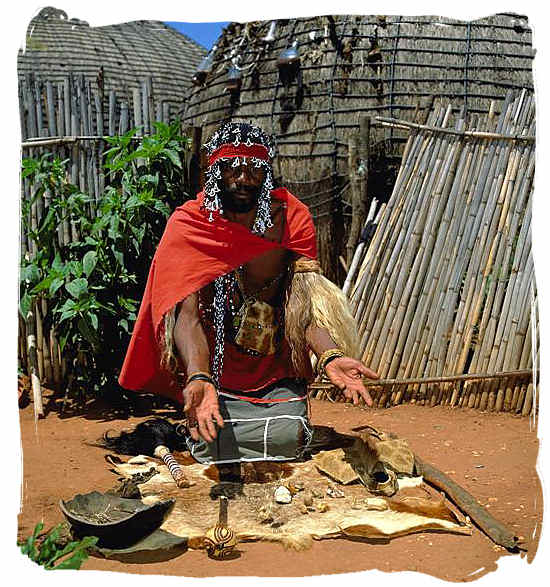
Belief in the Tokoloshe has given rise to various protective rituals. Traditional Zulu healers (izinyanga) prescribe herbal medicines, charms, or ritual cleansings to ward off Tokoloshe attacks. Sleeping arrangements are also influenced: in many accounts, people raise their beds on bricks to prevent the Tokoloshe from reaching them at night.
Additionally, offerings or protective rituals may be performed by families who suspect they are being targeted through witchcraft. These practices not only provide psychological comfort but also reaffirm communal ties, as healers, elders, and neighbors are drawn into the process of protection.
Symbolism of the Tokoloshe
The Tokoloshe is not merely a frightening creature but a symbolic representation of broader cultural concerns:
- Fear of Envy and Jealousy - The Tokoloshe embodies the destructive potential of envy, warning against behaviors that might incite jealousy within a community.
- The Unseen World - Its invisibility underscores the Zulu belief that reality extends beyond what the eyes can perceive. Human life is constantly shaped by unseen forces that demand respect.
- Moral Regulation - By linking misfortune to social misconduct or witchcraft, the Tokoloshe indirectly enforces morality, reminding individuals to live in harmony with others.
Through these symbolic layers, the Tokoloshe operates as an unofficial guardian: not in the sense of benevolently protecting individuals, but by ensuring that community members remain conscious of the moral and spiritual boundaries that govern society.
The Tokoloshe in Contemporary Context
Despite modernization and urbanization, belief in the Tokoloshe persists in many parts of Southern Africa. Media reports occasionally highlight cases where unexplained deaths or misfortunes are attributed to the creature. In popular culture, the Tokoloshe has been adapted into films, literature, and art, where it continues to serve as a symbol of mystery, fear, and the persistence of African cosmological traditions in the modern world.
Its survival into contemporary discourse demonstrates the resilience of oral tradition and the continued relevance of mythology as a way of explaining life’s uncertainties. While some dismiss the Tokoloshe as superstition, for many it remains a living part of Zulu spirituality, reflecting a worldview in which the spiritual and physical are inseparable.
Conclusion
The Tokoloshe is more than a mischievous goblin of folklore; it is a profound cultural figure that embodies Zulu understandings of misfortune, morality, and the unseen world. By personifying fear, envy, and disorder, it indirectly protects communal harmony and social stability. In this way, the Tokoloshe serves as both a disruptive force and a symbolic guardian, reminding the Zulu people that life is governed not only by human actions but also by spiritual forces that demand respect.
Through the Tokoloshe, Zulu mythology teaches that to live well, one must live consciously within both the visible and invisible dimensions of existence.


