Mythology· Folktale & Narrative Retelling
Gizzo and the Two Giants
Gizzo the Spider cannot overpower the Elephant or the Hippopotamus. So he turns their pride against them
By BILKISU SABIU· 8 min
Search and filter across articles, codex entries and podcast episodes on myth, folklore and cultural memory.
Gizzo the Spider cannot overpower the Elephant or the Hippopotamus. So he turns their pride against them
By BILKISU SABIU· 8 min
Five years after her husband’s closest friend was buried, Ujunwa hears a terrifying claim: he has been seen alive in a crowded market
By Chidera Dickson Oji· 11 min
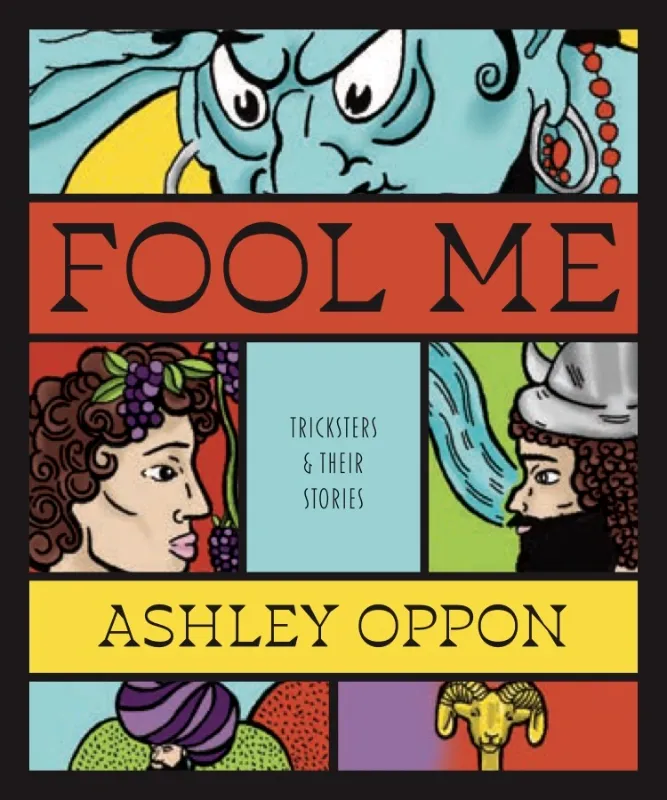
Sometimes the only way for a powerless person to fight back is to be clever
By Shalom Kasim· 5 min
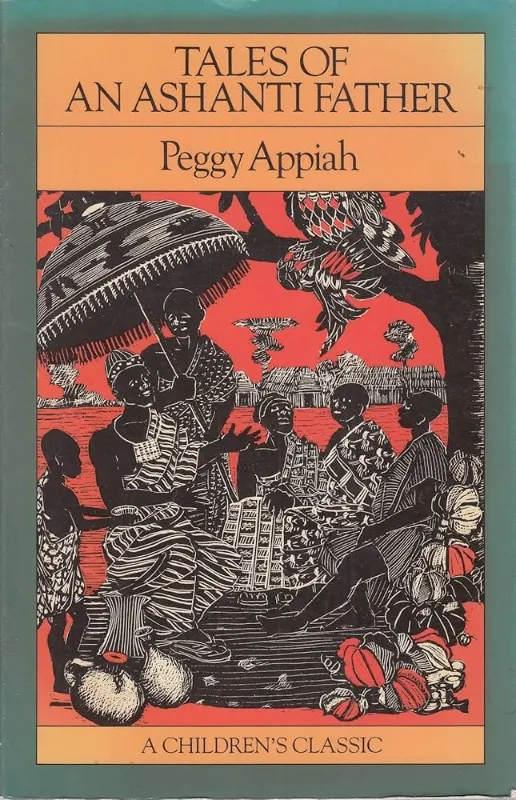
A British Chancellor's granddaughter marries into Ashanti aristocracy, and spends fifty years in Kumasi writing down spider stories for children
By Inumidun Seyiolapade· 12 min
On Thursdays in traditional Akan communities, farmers do not work the soil. The day belongs to Asase Yaa and on her day the ground rests, protected from the hoe by the same principle that leads the Akan to set aside time for acknowledging the sacred in what sustains life.
By Isreal Jeremiah· 6 min
Is the Nigerian cat a pet, a pest controller, or a paranormal operative?
By Somtochukwu Udeozo· 6 min
When a village in Arugbo turns away travellers, their sacred river runs dry.
By Tomiwa Gift· 3 min
A poor widow feeds a stranger her last meal, and receives a clay pot that never stays empty, as long as she keeps giving it away.
By Tomiwa Gift· 6 min
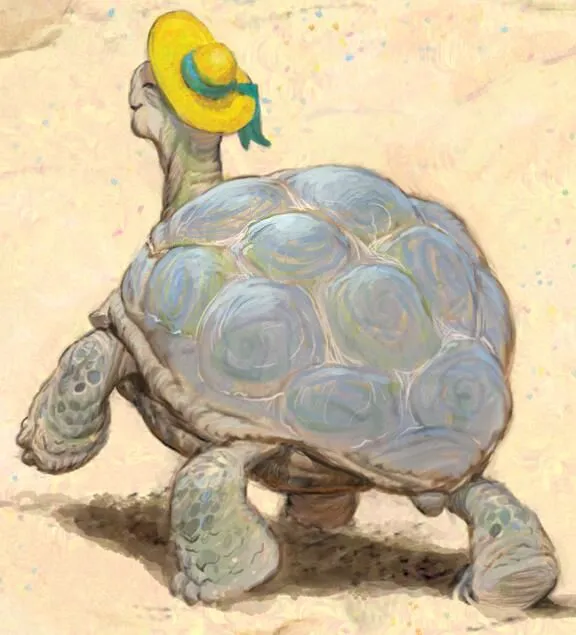
Nobody takes a tortoise seriously. That is exactly how he wins.
By Akunna Danugwu· 5 min
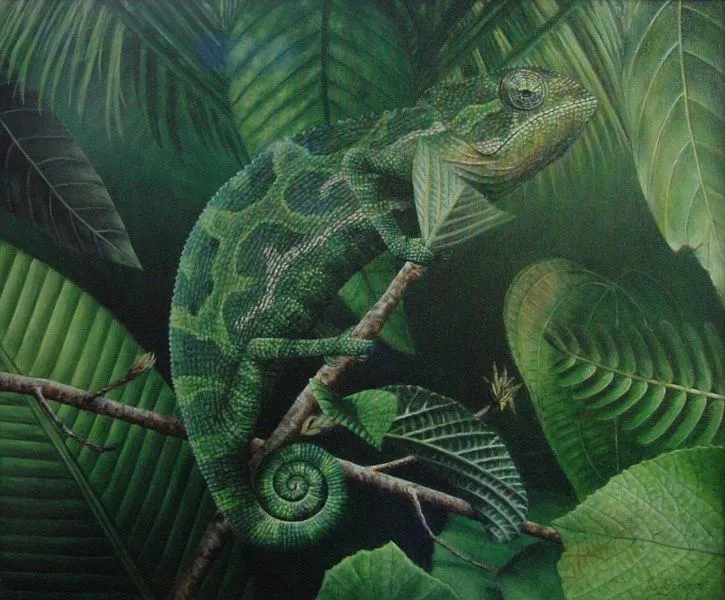
A favoured messenger loses both his colour and his place through pride.
By Akunna Danugwu· 5 min
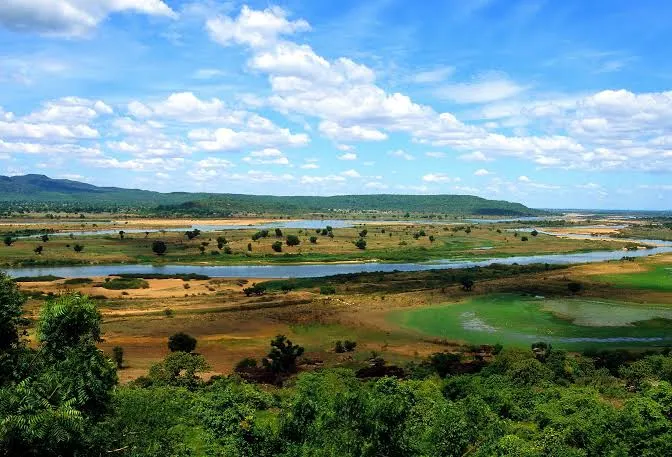
Some of Nigeria's most enduring stories are tied to its rivers. Here are ten waterways that feature prominently in folklore and oral tradition.
By Benjamin neil Ibrahim· 4 min
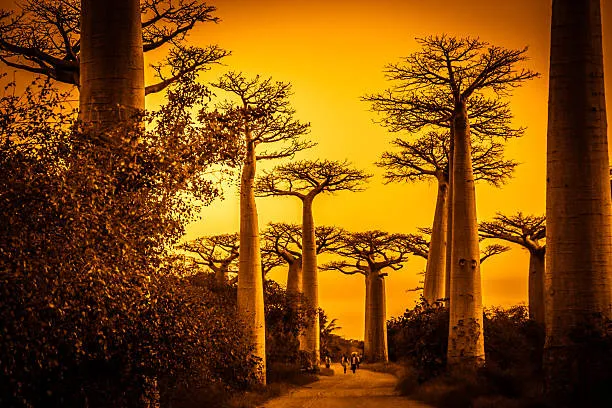
Every debt whether to man, land, or spirits must be paid one day
By Benjamin neil Ibrahim· 7 min
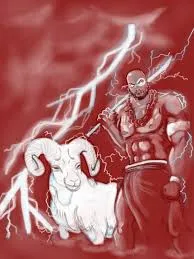
Amadioha, the Igbo deity of thunder and lightning, represents a powerful system of communal justice where moral wrongdoing invites divine retribution.
By Sunday Stephen Laabes· 5 min

Mbe the Tortoise survives because every society eventually rewards someone like him.
By Somtochukwu Udeozo· 7 min

An exploration of Kikuyu religion, from the sacred mountain Kirinyaga and the worship of Ngai to the oath traditions and covenant beliefs that shaped community life.
By Comfort Titus· 9 min
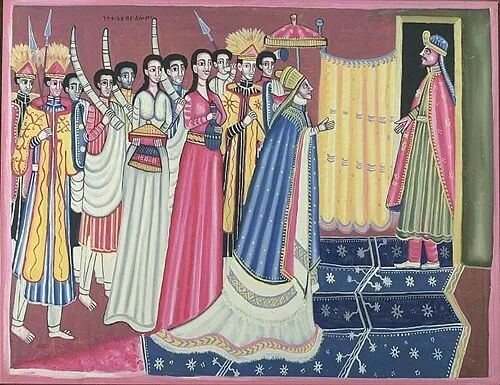
The Kebra Nagast recounts how Queen of Sheba and King Solomon anchor Ethiopia’s claim to sacred history, linking the Ark of the Covenant to Church of Our Lady Mary of Zion.
By Sunday Stephen Laabes· 5 min
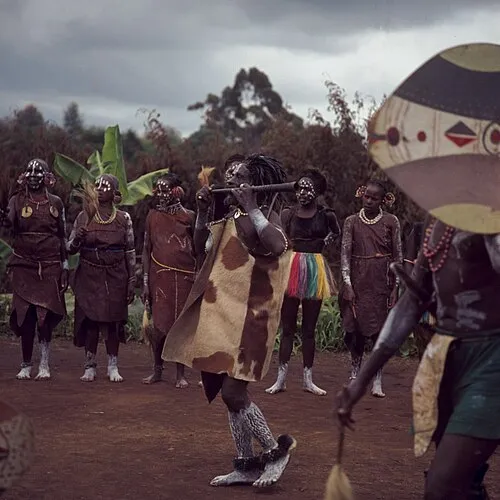
The Gĩkũyũ conception of Ngai reveals a strikingly monotheistic African theology in which divinity is anchored to Mount Kenya
By Favour Ayuba· 5 min
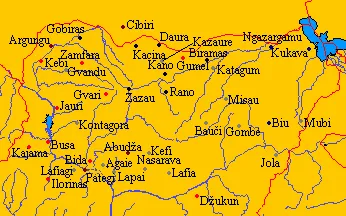
The Hausa Bakwai myth explains the origins and legitimacy of seven historic Hausa states through the sacred narrative of Bayajida, presenting political authority as divinely and cosmologically ordained. Beyond a founding legend, it functions as a charter myth that shaped governance, identity, and the spiritual worldview of Hausa civilisation.
By Kerkebe Isaac· 6 min
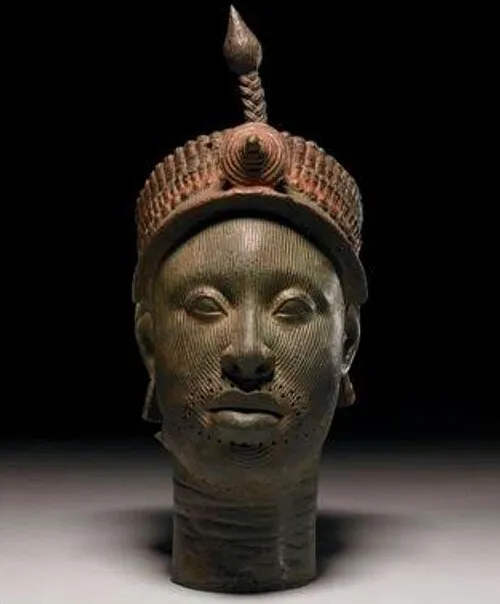
The oral canon that babaláwo carry in their heads rivals the canonical texts of every major world religion on earth
By Favour Ayuba· 6 min
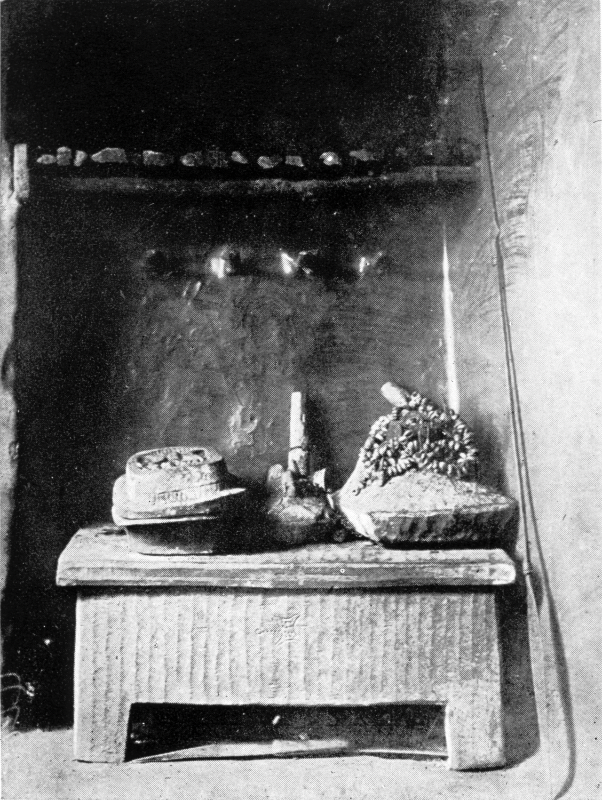
Nri once ruled Igboland through ritual, not force. Now, young Igbo are returning to Odinani, reviving a system that treats land, morality, and community as inseparable.
By Joy Ntishor Kelly· 8 min

Abiku and Ogbanje look like the same spirit child. Yoruba and Igbo literature tell two very different stories.
By Sunday Stephen Laabes· 9 min

For the Tangale, their supreme being is Yamba, a calm, feminine presence people speak to directly.
By Sunday Stephen Laabes· 4 min

What Igbo tradition says about dada children.
By Akunna Danugwu· 4 min

What really happens when Ọ̀yẹ̀kú Méjì appears in an Ifá consultation, and why it is nothing like the fatalistic prophecy most people expect.
By Sunday Stephen Laabes· 6 min

Misunderstood for centuries, Esu is really life’s way of saying, “Look what you just did.”
By Akunna Danugwu· 5 min

Her allure is a test: the closer you get to prosperity, the higher the stakes.
By Favour Ayuba· 3 min

Colonial tales turned wise women into magical women. Here is the story.
By Obiotika Wilfred· 6 min

Survival tactics of today are forming the myths that would define the future.
By Somtochukwu Udeozo· 7 min

How ancient Yoruba myths divide power between men and women, and why it still matters.
By Favour Ayuba· 3 min

Turns out, Christianity did not erase African traditions. It just learned to speak their language.
By Somtochukwu Udeozo· 5 min

Over time, the Bumba creation myth of the Bushongo (Kuba) has been interpreted and materialised through Kuba ceremonial objects, masks, textiles, and sculptures.
By Ibukunoluwa Johnson· 6 min

Ogbunabali is a feared figure in Igbo folklore, known as the “killer of the night.” He does not kill randomly; he targets those who have committed serious wrongs, announces their deeds, then goes ahead to punish them.
By Nneoma Sally· 5 min

A reflection on the slow disappearance of African mythology from popular culture, and a call to preserve what remains. This piece explores why myths matter, how they shape identity, and why documenting African stories is an act of preservation and self-determination.
By Sesi Morgan· 4 min

She wrote history, but history forgot about her name. Learn the true power behind Egypt's well-preserved and protected history as well as the deity actively documenting the destiny of every pharaoh.
By Nneoma Sally· 7 min

Living in Bondage (1992) followed Andy Okeke's rise on a tide of blood money and his descent into haunted ruin. Nollywood's first blockbuster caught a Nigeria rattled by economic collapse and spiritual dread in the SAP years, condensing the decade's anxieties onto VHS.
By Somtochukwu Udeozo· 10 min

Arọ̀ni stands out as a mysterious spirit of the forest who embodies the threshold between the human and the non-human. He dwells deep in sacred groves (igbo mímọ́), guiding humans who show reverence and punishing those who desecrate the land.
By Shallom Paul· 6 min

Osun is the Yoruba river goddess, whose myth and covenant with the people of Osogbo reveal how spirituality serve as a framework for environmental preservation. Through the Osun-Osogbo Sacred Grove and the enduring reverence for her waters, the narrative uncovers how myth function as a powerful tool of conservation still relevant in today’s world.
By Akunna Danugwu· 6 min

Death isn't the end of life; rather, it is a journey to another phase, so the Esan people believe. This article explores the Esan belief in Iroso/Orọ.
By Tracy Osaremhen· 6 min

What if your destiny was a choice you made before you were even born? Dive into the Yoruba philosophy of Ori, a spiritual concept that explores the profound connection between your "inner head," your unique purpose, and the divine spark within.
By Jemima Oluwaseun· 15 min

In Igbo thought, destiny is a bargain struck before birth, witnessed by God and the ancestors, then carried out in the open world. It turns on the bond between chi, the personal god who assigns a fate, and ikenga, the will to achieve it, and a person's own choices can still strengthen or destroy it.
By Somtochukwu Udeozo· 9 min

In Zulu belief, the Tokoloshe is a small, hairy water spirit said to bring illness and bad dreams in the night. Feared as it is, it also helps keep order, often blamed when envy or ill will is suspected behind a household's misfortune.
By Precious Peters· 7 min

In the world of Zulu folklore, the line between human and spirit is thinner than the walls in a rental apartment and one can only hope that these ancestors are on their sides, because Lightning can indeed strike the same place twice.
By Inumidun Seyiolapade· 11 min

What if a god’s most profound gift was not an endless supply of miracles but the freedom to choose? Step into the Maasai’s unique world, where their god, Enkai, gave cattle as an initial gift, laying the groundwork for their entire culture.
By Nneoma Sally· 11 min

Among the Fon of Benin and the Ewe of Togo and Ghana, no sacrifice or prayer reaches the gods until Legba opens the way. Created by the divine twins Mawu-Lisa, he is the gatekeeper and divine linguist, a trickster who both guides and tests the mortals who seek him, from West Africa to Haitian Vodou.
By Precious Peters· 5 min

In Zulu belief, the living are never truly separated from the ‘living-dead.’ At the center of this connection stand the izangoma, diviners chosen to speak with the ancestors. But what does it take to become the sole voice between worlds?
By Jemima Oluwaseun· 14 min

Ṣọ̀pọ̀na, known in Yorùbá belief as one of Olodumare’s punitive deities, holds a complex role in traditional religion. Associated with both disease and healing, he embodies functions that address punishment and restoration. This piece examines his attributes, responsibilities, and place within the broader Yorùbá spiritual framework.
By Jemima Oluwaseun· 11 min

Ever cracked an egg and found the universe inside? The Dogon cosmic egg cracks open questions about the transmission of knowledge, the nature of human observation, and the complex relationship between mythology and empirical understanding.
By Jemima Oluwaseun· 12 min

Consider the passage of time intertwined with environmental observations and words left behind by spirits. This article dives into how the Igbo man calculated time despite having no prior awareness of its existence.
By Nneoma Sally· 11 min

Oríkì is Yoruba praise poetry, words that hail a person's lineage and destiny. Filmmakers in Yoruba-language cinema have carried it onto the screen, giving a fading oral art a new home in the digital age.
By Jemima Oluwaseun· 9 min

C.J. Obasi's Mami Wata brought the half-woman, half-fish water deity of West Africa to screens far beyond the continent. The film keeps faith with some of the old lore and bends the rest, raising the question of how African cinema should handle its own gods and spirits.
By Jemima Oluwaseun· 8 min

In 2023, Netflix brought the urban legend of Madam Koi-Koi to global screens with "The Origin: Madam Koi-Koi," Nollywood's first horror series on the platform. But the question is, did they get her right? Let's compare the ghost we grew up fearing to her slick new streaming makeover.
By Inumidun Seyiolapade· 8 min

Djibril Diop Mambéty never trained a day in film, yet he built a cinema all his own from satire and dreamlike images. In his hands the camera became a griot, carrying West Africa's oldest oral storytelling into a wholly modern form.
By Inumidun Seyiolapade· 10 min

Mamlambo isn’t the typical nurturing or protective goddess many might expect. Originating from South African folklore, she’s often described as a powerful water spirit with the ability to shape-shift. In this article, we’ll explore her origins, the legends that surround her, and what makes her one of the most distinctive figures in African mythology.
By Nneoma Sally· 13 min

The ancient Egyptians believed that death marked the beginning of a soul’s journey to eternal life. Central to this belief was the Duat — the Egyptian underworld — through which the soul had to travel. This article explores the twelve gates of the Duat, the guardians who watched over them, and the meaning of each stage in the soul’s passage to eternity.
By Inumidun Seyiolapade· 12 min

The text explores three African trickster figures—Anansi, Eshu, and the Hare—who use cleverness to outwit others and challenge social norms. Though from different cultures, they all highlight the power of intelligence over strength.
By Eleojo· 6 min

With its piercing sight and command of the skies, the falcon became ancient Egypt's emblem of divine power, bound to the gods Ra and Horus. It watched over kings and funerary rites, and its image still endures in falconry and on the emblems of North African nations.
By Ibukunoluwa Johnson· 7 min

This captivating story will take you on a journey through the Legend of the Great Warrior Lisabi and the Egba community in Western Nigeria.
By Comfort Polit· 10 min

When the Igala faced defeat by the Bini kingdom, the oracle demanded a terrible price, and Princess Inikpi, the only daughter of Attah Ayegba, gave her life to meet it. Her sacrifice turned the war and made her one of the most cherished figures in Igala history.
By Gloria Anefu· 5 min

In the heart of Benin City, where ancient myths still cling to the air like morning mist, whispers of Ovia echo through the cobbled streets. A deity of peace and providence, Ovia emerged during a time of unrest, bringing with her a cloak of tranquility and fostering harmony among the people.
By Comfort Polit· 8 min

In most tribes in the world, the creator of the world is regarded as a male. But among the Ijaw people of Nigeria, the world is created by a female (Woyengi). This is the Ijaw creation story of humans, and a woman who tries to fight her creator.
By Oghenevwegba Logan· 9 min

Ayelala is the goddess of justice worshipped along the Ilaje and Ikale coast, where her name alone is enough to frighten the guilty. She is said to see through every lie and to strike the wicked with sickness and storm, while shielding those who keep their oaths.
By Comfort Polit· 7 min

The history of Modjadji is one from the Balovedu tribe of South Africa. The article delves into the significance of this personage and her importance to the people of her tribe.
By Inumidun Seyiolapade· 7 min

In Igbo belief, every person arrives in the world with a chi, a personal deity granted by Chukwu that shapes destiny and character from birth. More than a guardian, it works as a moral compass, and its place in ritual and proverb still anchors how the Igbo understand themselves.
By Miracle· 3 min

The Rimi, a tree that houses spirits?
By Shallom Paul· 4 min

The illustrious Mami Wata is a deity of great reach and many different faces. This article dives into the waters she visited and takes a look at the regional variations of her myth.
By Inumidun Seyiolapade· 10 min

The ogbanje is an Igbo spirit child who is born, dies, and returns to the same mother again and again, each cycle deepening her grief. To break the bond, a dibia must find the iyi-uwa, the hidden object that ties the child to the mortal world.
By Miracle· 3 min

A'ko is an ancestral spirit, venerated as a god by the Gbagyi people. Gbagyi is one among the many ethnic groups that are domiciled in the Middle Belt of Nigeria, spilled within the North Central States of Niger, Kwara, Kogi, Nasarawa as well as Abuja, the nation's capital and also in the Northwestern State of Kaduna.
By Shallom Paul· 5 min

Northern Nigeria before the advent of Islam practiced some form of animism, called Maguzanci or Bori. The belief is such that spirits exist among us and the practice of adorcism, which involves the traditions of music, dance, and other ritualistic practices that will invoke these spirits and cause them to possess persons. Spirits are invoked to possess people with the belief that they grant healing, fertility, strength, foresight, invincibility, knowledge, and understanding, among other supernatural gifts.
By Shallom Paul· 6 min

The topic of the transcendental Cwezi people of Uganda who existed thousands of years ago, is one that is filled with speculations and hypotheses. This article aims to shed light on the historical, cultural, religious, and mythical aspects of these conjectural beings, by delving into their origins, heritage, and attributes.
By Inumidun Seyiolapade· 11 min

Zuma Rock, one of the most famous landmarks in Nigeria is known for its conspicuous face silhouette. In this article, we delve into the myths and legends surrounding this iconic rock.
By Ogundeko Toluwanimi Alexis· 5 min

Founded around 1500 in the hills of Oyo State, Ado-Awaye guards seven natural wonders that have puzzled visitors for generations. Among them is the Ishage Rock that the chief priest wraps in white cloth to call the rain, and a lake said to hang suspended on the mountaintop.
By Comfort Polit· 3 min

The abiku is a spirit child the Yoruba believe is born only to die young and return to the same womb again and again. Caught between the world of the living and the spirits, it carries supernatural knowledge and leaves grieving families searching for ways to break the cycle.
By Inumidun Seyiolapade· 8 min

Evolution of High School Legends: Shapeshifting Narratives Across Generations" explores the dynamic nature of Nigerian high school legends, such as Madam Koi Koi, Bush Baby, and the Bunk Shaker, revealing how these enigmatic tales adapt and transform with each passing generation. Rooted in the oral tradition, these legends bridge the cultural shifts, technological advancements, and societal changes within high schools, ensuring their enduring resonance as students continue to share, embellish, a
By Adesua· 10 min

Ifá worship, deeply rooted in Yoruba culture, utilizes mathematics and logic in its divination process, ensuring accuracy and providing guidance through the interpretation of sacred symbols and numerical associations. This unique blend of mathematics and logic reflects the Yoruba people's profound respect for the divine and their commitment to navigating life's complexities through this ancient and revered tradition.
By Babadasoola· 4 min

The Efik of the Cross River carry their history in myth, from a long migration out of Arochukwu to the creation work of Abassi, the giver of life. They never wrote these myths down, preserving their gods and mythical creatures in spoken tradition instead.
By Stacey Osalumhense· 8 min

When a strange voice calls you out of your home at night in old Bornu, the Kanuri warn that it may not be human at all. The bultungin is their were-hyena, a person who turns into a cannibal beast, reeking of rotting flesh, to lure victims into the dark.
By Precious Emmanuel· 3 min

While some peoples once feared twins as ill omens, the Yoruba came to revere them as Ibeji, sacred children who share a single soul. They are protected by Shango, and when one twin dies a small wooden figure is carved to hold its spirit.
By Chioma Diana· 5 min

The Igbo see the world as a crowded web of spirits, where rivers and forests each hold a presence of their own. Ancestral spirits watch over the living and offer guidance, binding the dead and the unborn into the moral life of the community.
By Owobusola Oluwapelumi· 6 min

In this detailed piece, the Yoruba belief of the afterlife is explored, shedding light on the spiritual journey of the soul beyond the mortal realm. The article elucidates the concepts of "Orun," the realm of the ancestors, and "Aye," the earthly world. It delves into the rituals and practices performed by the Yoruba people to honor their ancestors and ensure their safe passage to the afterlife. The rich tapestry of Yoruba cosmology and the enduring significance of ancestral connections are beau
By Aderinsola Aberuagba· 5 min

This engaging article delves into the captivating Igbo creation myth, unveiling the cosmic dance of Chukwu-Okike and Eke that gave rise to the universe. It explores the creation of humanity, the fall from grace, and the quest for redemption, weaving a vivid tapestry of divine beings and elemental forces. The myth's profound lessons and cultural symbolism are elaborated upon, reflecting the Igbo people's spiritual heritage and their belief in the cyclical nature of existence.
By Adesua· 6 min

Olodumare gave Obatala a bag of sacred earth and sent him to shape the world and mould the first humans from clay. Revered as the oldest and wisest of the Yoruba orisha, he is honoured as the patron of creation, though his story carries a hard lesson about palm wine and human frailty.
By Fiyinfoluwa Victory· 5 min

Oya is the Yoruba goddess of storms and the violent power of change, wife to Shango and spirit of the river Niger. Worshipped from Nigeria to Brazil and the Caribbean, she is also the deity of death and rebirth.
By Fiyinfoluwa Victory· 5 min

Ewe mythology from Ghana is a captivating blend of spirituality and history, featuring Mawu, the genderless creator deity, and the clever trickster Kwaku Ananse. These myths reflect the rich cultural diversity of Africa and convey moral values while celebrating ancestral heritage.
By Angel Selasi· 5 min

The uniqueness of Yoruba orishas lies in their multifaceted nature, moral teachings, and connection to nature and human experiences. However, due to the influence of Abrahamic religions, they have been misunderstood, misinterpreted, and demonized. Recognizing and appreciating their complexity is vital for intercultural understanding and preserving Yoruba cultural heritage. Embracing religious diversity and interfaith dialogue can foster a more inclusive and respectful society, enabling a genuine
By Babadasoola· 6 min

From the divine origins of Eri to the cautionary tale of Okonkwo, these stories remind us of the timeless lessons that can be gleaned from the past and the enduring power of storytelling to shape our understanding of the world around us. By exploring and celebrating these captivating myths, we can gain a deeper appreciation for the unique and diverse cultural heritage of the Igbo people and the rich tapestry of human experience that they represent.
By Precious Chidubem· 6 min

Nigeria's rich cultural heritage includes myths, legends, and folklore. The Yoruba myth of creation, "Olodumare and the Seven Orishas," reflects Yoruba cosmology, philosophy, and cultural values, emphasizing cooperation, diversity, and community. It portrays Olodumare as the supreme god and the Seven Orishas as intermediaries between humans and the divine. This myth provides insight into Yoruba traditions and beliefs, highlighting their reverence for creativity, wisdom, and protection.
By Fiyinfoluwa Victory· 5 min

The origin of the Igbo people is rooted in their culture and religion, which involve the worship of deities like Chukwu, Ala, Chi, Amadioha, Ikenga, Idemmili, Ekwensu, and Anyanwu. These deities play important roles in their lives and rituals. Despite the adoption of Christianity, the worship of deities still persists in Igbo culture, shaping their beliefs and practices. Popular festivals are held to honor these gods, such as the New Yam Festival dedicated to Ahiajoku and Ala. Christianity may d
By Paschaline· 5 min

One of the tallest trees of the forest, it is used as a fake teak for its close qualities. But one thing the teak definitively does not have, shutting it in the great timber wood, is its language. Yes, the Iroko can talk.
By Alice Raymond· 6 min

Anansi, a trickster figure from Ghanian mythology is often depicted as a spider who uses his intelligence and cunning to outsmart his opponents and achieve his goals.
By Iwuagwu Ogochukwu Ikechukwu· 4 min

African folklore is rich with stories of spirits and demons. These supernatural beings are said to inhabit various aspects of the natural world and can take many different forms.
By Oladosu Michael Emerald· 4 min

For the month of June, 2023, Oriire is going to be accepting submissions for its second Writing Contest. Submissions will be accepted for three main categories: History, Mythology and Food. Oriire's Writing Contest awards writers from all over Africa an opportunity to tell stories about their culture and to showcase their knowledge about the African Continent in compelling and boldly imaginative ways.
By Oriire· 1 min

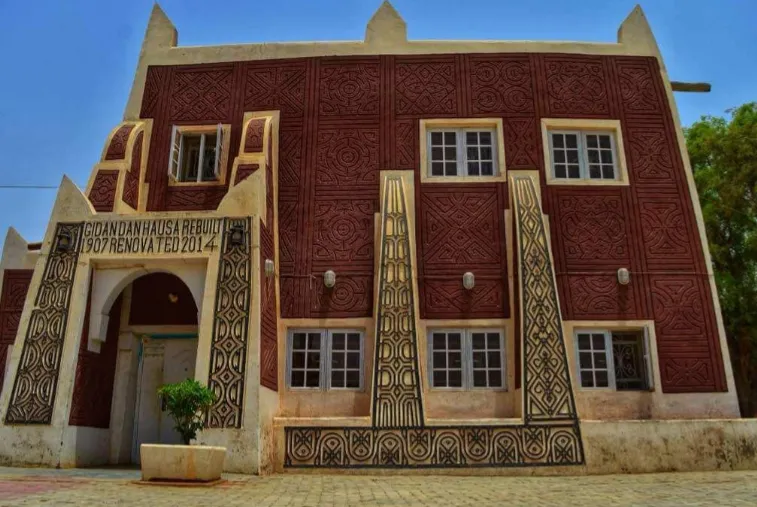
Kano city, located in northern Nigeria, is one of the oldest and most significant cities in the country's history. Its socio-cultural identity has been shaped by a variety of factors, including its history, traditions, and myths.
By Olubayo Stephen· 3 min

A poem titled 'Our Land'.
By Imole Olusanya· 1 min

In 1874,a German traveler, Karl Leche, sent a letter to newspapers across the United States and Europe. His letter gave vivid details of a tree he came across in Madagascar, an island on the east coast of Africa, and how that tree consumes humans, so much that the Mkodo tribe people made human sacrifices to said tree.
By Olubayo Stephen· 3 min

Kumbwada is an ancient kingdom with a population of about 33,000 people which is located in Niger, a state in the Northern part of Nigeria
By Imisioluwa Ogunsunlade· 2 min

In any case, attention should be awarded to how we tell our stories so that they can garner the attention of incoming generations. If drastic actions are not taken, our cultural heritages and our pristine identities may not recover from this slippery slide and unguarded free fall into the bin of forgotten history.
By Olanrewaju Adesunloro· 3 min

A folktale about 'Anansi', the legendary Ghanian god.
By Imisioluwa Ogunsunlade· 3 min

Sàngó, also known as Changó or Xangô in Latin America; and as Jakuta or Badé is an Orisha, a deity in Yoruba religion. He is a royal ancestor of the Yoruba as he was the third Alaafin of the Oyo Kingdom prior to his posthumous deification.
By Imisioluwa Ogunsunlade· 4 min

An account of an encounter with a Mami-Wata aka Mermaid
By Chionye Lois· 7 min

A retelling of the 'Queen Moremi' folktale about a legendary Yoruba queen.
By Oluwaseun Beatrice Wende· 9 min

The events in this folktale led to a new custom in Uganda in the old days; but now there is a new law, and no one may go to a witchdoctor at all, and if the police find a man telling fortunes they take him to prison. But still some people are naive enough to go in secret, and have their fortunes told, even though they know this story.
By Imisioluwa Ogunsunlade· 4 min

An entertaining fiction piece about masquerades.
By Fikayo Adeniyi· 8 min

The Hausa myth of Bayajida accounts for the origin of the Hausa. As a wanderer, he came to a place currently called Borno. He was noted for his intelligence and bravery to the extent that the king gave him his daughter’s hand in marriage.
By Imisioluwa Ogunsunlade· 3 min

Growing up, I heard tales of the famous Bush Baby from the older boys in my village that attended the only boarding school in the whole of the district. Whenever they returned home for the holidays, they always had stories and adventures to tell the smaller boys who hoped to be like them someday.
By Bisi Akintomide· 8 min

Efik history traces the origin of Ndem worship to their god’s basin (usan Abasi) which tradition says was a sacred companion of the Iboku people from their oriented home. All through their migrations and sojourn among known and unknown host communities, the Iboku people remained attached to their “usan Abasi” before which they presented requestsof all nature.
By Rachael Bassey· 4 min
![Àyànmò [Predestination]](https://media.oriire.com/images/articles/ayanmo-predestination/07a31e07da_63b9c64af11099c15b4ebef8_57f0ff_0b7b14b2341b4cf3af6476bd2727.webp)
This tale explores the concept of àyànmò (predestination).
By Babs Iwalewa· 7 min

Although African myths may be mysterious and sometimes illogical, judging them from a typical western standpoint is not right. This is because some scientific information could be gotten from the explanatory stories, origin stories and didactic stories which constitute thesemyths. African myths embody the multifaceted African thought systems which are transmitted in ritual practice, with manifestations in the form of African spirituality.
By Ifeoluwa Egbetade· 9 min

This fiction story is coined from a non-written tale of water beings, the unsure trait of treachery and wickedness they possess. And the possibility that a man could be sacred to Ngene.
By Obiajulu Camilius Ikechukwu· 8 min

The essence of this folktale does not only lie in its entertaining abilities, but in its educating dimensions as virtues are rewarded, truth is vindicated and vices are punished.
By Imisioluwa Ogunsunlade· 6 min

Jinns are simply spirits that were known to have been created by God himself according to the Islamic religion. Although they possess supernatural powers which are apparently not inclusive rights of human beings such as strength, invisibility, teleportation, trickery and transformation, Jinns are parallel to humans in an extra-terrestrial plane and, like humans, they possess the ability to eat, drink, and marry and the freewill to choose between good and evil.
By Imisioluwa Ogunsunlade· 4 min

Queen Amina is a heroine known in and outside Africa. More than a myth, Queen Amina’s legend is a replica of history and it lays claims to historical places, faces and figures. Her story has at its core a moral and inspiring dimension and also imbues a sense of self-worth among the people. As such, retelling her story and preserving the legend does not only educate the African reader and give him confidence in his cultural heritage, but also enlightens the foreign reader about Africa, putting an
By Imisioluwa Ogunsunlade· 3 min

Oral poetry in Africa has been an artistic compendium of the beliefs and culture of the African people. There are many forms of oral poetry in the African society such as the invocative poetry, didactic poetry, praise poetry, special occasion poetry, lyrics, funeral poetry, ritual poetry, satirical poetry and epic poetry.
By Imisioluwa Ogunsunlade· 8 min

With the forced migration brought about by majorly the Atlantic slave trade, Yemoja possesses many names and is worshiped in different religions and forms across various regions by afro-descendants all over the world.
By Haleemah Atobiloye· 3 min

The folktale and nursery rhyme, Olúrónbí
By Imisioluwa Ogunsunlade· 1 min

A recollection of the Ori & Olajumoke myth
By Sesi Morgan· 1 min

A journey into the Acholi and Alur story - Ugandan Folklore
By Destiny Mugasha· 4 min

The Ugandan folktale about Kintu, Uganda's first man and his meeting with Nambi.
By Destiny Mugasha· 6 min

African proverbs say a lot in very few words. This episode runs through the most common ones, and the situations they get pulled out for.

In Northern Nigeria, a person can be spiritually tied to an animal, usually as a settlement for a debt money won't cover. Maria joins this episode to talk about Mutu, and how the binding actually works.

In Yoruba tradition, twins aren't just lucky. They're believed to carry special powers and a direct line to the divine. This episode looks at what that means in practice and how that belief still shapes Yoruba family life today.

Some African superstitions just stick, even after the people repeating them stop quite believing. This episode runs through the ones that have lasted, from the unlucky animals to the taboos people still keep to.

Nana Buluku is central to Fon mythology in Benin, and shows up in Yoruba tradition too. Florent joins this episode to tell her origin story and how she's worshipped today.

Anansa is the Efik goddess of the sea, and the patron deity of Calabar. Maryann joins this episode to talk about who she is and how she's still worshipped today.

Bayajidda is the founding myth of the Hausa kingdoms. Or legend, depending on who you ask. Shamsudeen joins this episode to tell the story and weigh in.

Horror myths have always been a thing in Nigerian boarding schools. Renny and Muminah join this episode to talk through the scary stories they remember.

Voodoo and Hoodoo get used interchangeably, but they aren't the same thing. This episode draws the line between Voodoo, the religion, and Hoodoo, the magical practice that grew out of it.

Kintu was the first man in Baganda mythology, wandering Uganda alone before everything started. Destiny joins this episode to tell his story and to compare it with other African origin myths.

Anansi is the West African spider-trickster who, depending on the story, is either the keeper of all knowledge or its most slippery thief. Cynthia joins this episode to tell some of his stories and unpack what he stands for.

Many African folktales repeat across the continent with small changes, and a surprising number of them turn up reshaped in modern films, books and cartoons. Imisi joins this episode to put a few side by side.

Have you heard the stories about jinns in Northern Nigeria? Fatima joins this episode to talk about what they are and her experiences with them.
Test your knowledge of deities, figures and spirits with this riddle
Solve this riddle to prove your knowledge of Mythological figures
The trickster is the spirit of wit, wisdom, and creative chaos. Answer these questions to reveal the nature of your own inner trickster.
Think you know African mythology? Match each being to their legend and prove your knowledge.