
An Introduction to Yoruba Cosmology
In Yoruba popular culture, the name "Ajala" is synonymous with adventure and wanderlust, a tribute to Olabisi Ajala, the famous globetrotter who journeyed across the world on a Vespa scooter in the 1950s. His life of daring exploits and personal tribulations—from hobnobbing with world leaders to navigating arrests and personal scandals—presents a captivating question: was his extraordinary life a matter of sheer will, a stroke of fate, or a complex interplay of both?
This question, deeply embedded in modern Nigerian consciousness, finds its most comprehensive answer in the Yoruba metaphysical concept of Ori, a philosophy so central to the culture that it acts as the foundation for an entire worldview.
At the core of the Yoruba belief system is Olódùmarè, the Supreme Being and ultimate creator. Olódùmarè is the source of all existence—the Òrìṣà (divinities), humans, nature, and spiritual forces—and is recognized as the giver of èmí (the breath of life) and Àṣẹ, the sacred, dynamic life force that regulates all activity in the cosmos.
Àṣẹ can be described as the "empowered word that must come to pass" and is the divine energy that sustains and empowers all life. This force flows through everything, connecting all aspects of existence in an intricate web of spiritual influence.
Yoruba cosmology does not conceive of a stark division between heaven and earth. Instead, it presents two complementary dimensions that exist simultaneously in the same space, the visible world of Aiye (the physical realm) and the invisible realm of Orun (the otherworld), where gods, spirits, and ancestors reside. Orun is considered the essential reality, while Aiye is its "inverted image." The Òrìṣà, who are manifestations of Olódùmarè, serve as crucial intermediaries, reflecting some of the Supreme Being's many facets and acting as liaisons between Orun and Aiye. Within this interconnected universe, every thought and action in the physical world interacts with the divine, weaving a web of influence.
This metaphysical framework, with its emphasis on a supreme creator and interacting forces, sets the stage for the most personal aspect of Yoruba philosophy: Ori. The journey of Olabisi Ajala, with its mix of triumphs and troubles, can be understood as a living example of the Yoruba belief that while a divine path is chosen, its fulfillment is deeply connected to individual character and the choices made in the physical world.
Understanding the Metaphysics of Ori
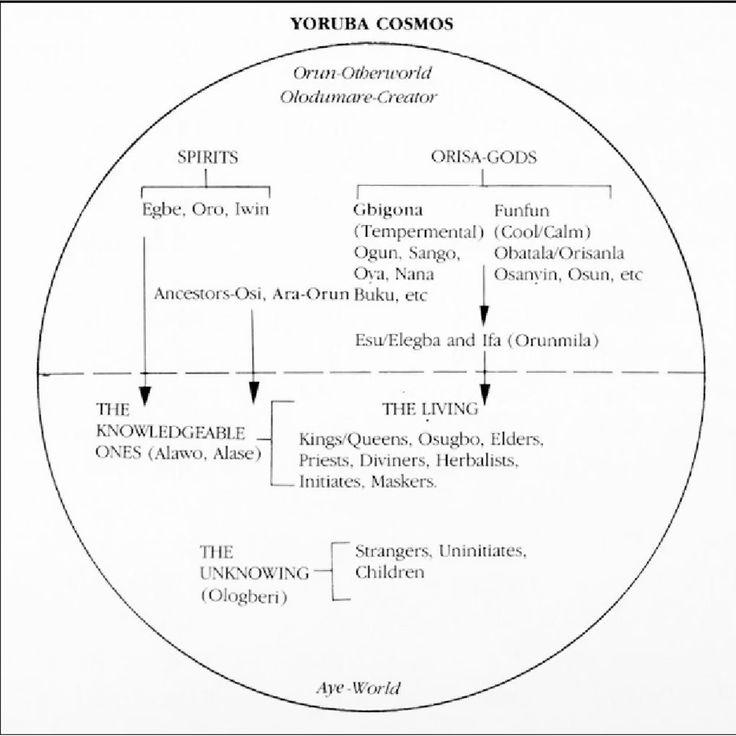
The Yoruba philosophy of self centers on the concept of Ori, a term that literally means "head." However, this simple translation conceals a complex metaphysical duality that is central to Yoruba thought. The physical head, the Ori-ode ("outer head"), is understood to be the mere vessel or "physical container" for the spiritual self. It is the Ori-inu, the "inner" or "spiritual head," that is the nucleus of a person's being and the embodiment of their unique destiny.
The Ori-inu is the individual's spiritual intuition and is regarded as the divine spark of consciousness within them. It is a self that exists before birth and outlives the physical body. The relationship between the outer and inner heads is one of hierarchy; the inner self should always rule the outer. This is captured in a Yoruba prayer: "May my inner head not spoil my outer one." The physical head, therefore, is not just a biological part but a sacred shrine, a place of the divine power of Olódùmarè that constitutes a person's life-source.
The Yoruba understanding of the person is a holistic construct, a combination of several distinct components that together form the human being:
Physical Body (Ara): The temporary, material form that a person inhabits in Aiye.
Life Force (Emi): The divine breath of life given by Olódùmarè at creation. It is the vital force that animates the body.
Spiritual Head (Ori-inu): The "inner head," a person's spiritual essence, destiny, and personal Òrìṣà. It is the custodian of fate.
Divine Power (Àṣẹ): The sacred energy or divine power that is located within the head, providing the life-source and spiritual strength.
Character (Iwa): The moral and ethical qualities of an individual. Iwa-Pele (good character) is essential for a person to align with their destiny.
Individual Effort (Ese)
The concept of "strife" or "hard work" that is required to actualize the possibilities of one's Ori.
This comprehensive view of the self establishes Ori as an individual's personal divinity, a universal household Òrìṣà that is revered by all. The importance of Ori is highlighted in an ancient Ifá poem, which argues that while the public divinities are powerful, they cannot bless a person without the consent of their Ori. The poem culminates in the declaration that Ori is the only divinity that will follow its devotee on the ultimate journey beyond life. This philosophical principle establishes that a person's most intimate and essential relationship is not with a distant god but with their own inner head, the direct link to the divine plan for their life. This is why the veneration of Ori is a central, daily ritual in Yoruba life, often symbolized by the ile ori ("house of the head") shrine, a cylindrical altar adorned with cowrie shells that represents the spiritual self and the wealth that a "good head" can bring.
The Pre-life Impact
The journey toward destiny begins not on Earth but in the spiritual realm of Orun, before a person is ever born. Yoruba mythology holds that the "unconscious self" travels to the divine waiting room to choose its destiny, or ayanmo, from Olódùmarè, the Supreme Being. This pre-birth choice of one's life-course is a crucial moment, witnessed by Ọrúnmìlà, the god of divination, who is thus known as Eleri-ipin, the "witness to destiny."
This mythological narrative provides a framework for understanding the diverse outcomes of human existence. The heads themselves are created by Ajala Mopin, a divine potter in Orun. In a compelling element of the myth, Ajala is sometimes a careless potter, producing heads that are "underbaked or overbaked." A person who unknowingly chooses a poorly made head faces a life of inherent struggles and "lasting handicap." This myth serves a crucial philosophical purpose. It provides a way to account for misfortune that is not caused by a person's actions, shifting the explanation for life's unexplainable troubles away from pure fatalism and toward a more nuanced view. A challenging Ori is not an inescapable curse but a set of difficulties to be overcome.
After choosing a destiny, the spiritual self begins its journey to Aiye. But before it can fully transition, it must encounter the "tree of forgetfulness." Here, the "knife of Ogun" cuts the path to the physical world, causing the person to forget the sacred pact they made in Orun. This act of forgetting is not a cruel twist of fate but a necessary part of the human journey. It explains why a person may struggle to find their purpose or embark on a path their Ori did not choose, leading to frustration and failure. This mythological element transforms life on Earth into a quest for self-knowledge, where the ultimate goal is to "remember" the forgotten purpose of one's existence. It is this very act of forgetting that makes the next stages of the journey—the rituals and character-building of daily life—not just helpful but essential for a fulfilled life.
From Destiny to Lived Impact
Once a person is in Aiye, the physical realm, the journey to fulfill their destiny begins. This is not a passive ride but an active, dynamic process that requires a delicate balance of divine guidance and personal effort. The Yoruba have developed two primary tools for this purpose: the systematic knowledge of Ifá divination and the cultivation of good character, or Iwa-Pele.
Ifá Divination
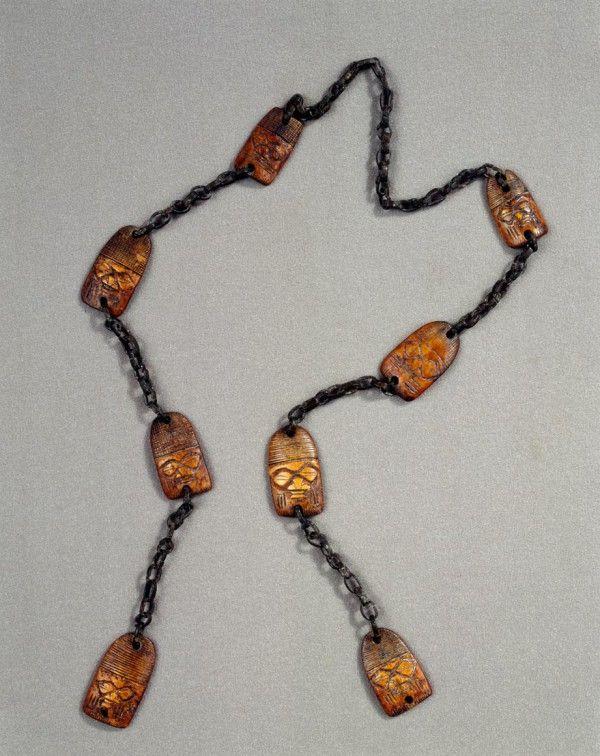
Ifá is a complex system of divination overseen by the Òrìṣà Ọrúnmìlà, who is revered as the deity of wisdom. Unlike divination systems that rely on a person's mystical powers, Ifá is a structured, mathematical practice based on an extensive literary corpus of 256 signs, or odu. The babaláwo, or Ifá priest, is the keeper of this knowledge, memorizing thousands of poetic verses called ese that are associated with each odu.
To consult their Ori, an individual visits a babaláwo who uses sacred palm nuts or a divining chain (òpèlè) to reveal the specific odu related to their situation. This process is not about predicting a fixed future but about providing a map of one's destiny. The odu acts as a spiritual mirror, reflecting a person's life path, identifying challenges, and prescribing the necessary rituals or sacrifices (ebo) to align their actions with their chosen destiny. It is said that Ifá provides "answers before questions," offering direction and clarity for managing life and overcoming obstacles. This is a tool for awakening the mind and introducing wisdom into one's life, allowing a person to find their own answers from their spiritual source, their Ori.
The components of Ifá work together in this process:
Babaláwo: The Ifá priest, literally "father of secrets," interprets the signs and verses of Ifá, providing guidance and prescriptions for an individual's life path.
Odu: The 256 sacred signs or texts of Ifá reveal the specific details of a person's destiny, their life plan, and the challenges they face.
Òpèlè: The divining chain used to cast the odu, a tool used by the babaláwo to systematically access the wisdom of Ifá and reveal a person's odu.
Ebo: Ritual offerings or sacrifices—prescribed actions to appease divine forces, neutralize negative influences, and correct one's path to align with their Ori.
The Imperative of Iwa-pele

The guidance provided by Ifá is incomplete without the second, equally crucial component of the journey: Iwa-Pele, or good character. A person's destiny is tied to their Ori, but it is their moral conduct that determines how effectively they can fulfill it. The cultivation of self-discipline, ethical choices, and wisdom is seen as essential for achieving harmony with one's Ori. The Yoruba believe that living with good character strengthens the alignment with Ori, enhancing one's ability to fulfill a divine purpose.
The connection between character and destiny is best illustrated by an allegory found in the holy Odu Ogbe-Otura. The story tells of Ọrúnmìlà, the god of wisdom, who decided to marry a woman named Iwa (Character). A diviner prescribed a sacrifice and advised him to always take care of her. After marrying Iwa, Ọrúnmìlà's life flourished, and he was blessed with immense success. However, over time, he forgot the advice of the diviner and began to mistreat his wife. Tired of his endless complaints, Iwa packed her things and left. Immediately, Ọrúnmìlà's blessings vanished, and his life went from bad to worse. He had to go on a long journey to find Iwa and beg her to return, and only then did his fortunes recover. The moral is clear: all the blessings in the world are fleeting and will become someone else's if they are not anchored by the foundation of good character.
Divine Blessing and Personal Agency
The Yoruba philosophy of Ori and destiny is often misunderstood by outsiders as a form of fatalism or hard determinism, a belief that one's fate is sealed and unchangeable. However, this is a surface-level interpretation that fails to account for the dynamic, living nature of the belief system. A deeper understanding reveals a worldview that is better described as "soft-deterministic," one that allows for both divine preordination and human free will.
The philosophy reconciles the apparent contradiction between a preordained destiny and personal responsibility by separating the influence of Ori and Iwa-Pele. Ori determines the "potential for success or failure" in matters of material success and career life. However, it does not predetermine a person's moral character or all of their actions. This is a crucial distinction. For example, a person can have a "good Ori" with a high potential for success, but through a lack of good character, fail to achieve it. Conversely, a person who chose a challenging Ori can, through hard work and moral discipline, overcome the inherent limitations of their destiny.
The Yoruba worldview explicitly holds individuals accountable for their actions through the concepts of ese and afowofa. The term ese literally means "leg," but in this context, it signifies "strife," "hard work," or "struggle." It represents the principle of individual effort required to bring a good destiny to fruition and is considered a core element of a person's being. Furthermore, afowofa, which translates to "self-causation," is used to explain problems people face that are inflicted on themselves through their own deliberate actions. This idea provides a philosophical justification for moral responsibility and the practice of punishment in Yoruba society, as it demonstrates that a person's decisions have real consequences that are separate from their preordained destiny.
The philosophical model presented by the Yoruba is a dynamic interplay of cosmic forces and human agency. While divine influence and supernatural powers may impede a person's path, they are not all-powerful. A person must rely on the "continued support of his spiritual personality component" (Ori) and make conscious, personal efforts to succeed in life. A person's life journey is therefore not a passive acceptance of fate but a conscious effort to align their actions with a divine, forgotten purpose, with the understanding that every action, good or bad, carries weight in the unfolding of their destiny.
This balance between destiny and personal agency creates a unique philosophical space. It acknowledges that some aspects of life are beyond individual control—the basic framework of one's potential, the family into which one is born, certain natural talents or limitations. Yet it simultaneously emphasizes that within this framework, there is significant room for choice, growth, and transformation. The person with a challenging Ori is not doomed to failure; rather, they are called to work harder, to develop stronger character, and to seek wisdom more diligently.
The concept also addresses the question of inequality and suffering in the world. Rather than attributing all misfortune to personal failings or all success to individual merit, the Ori philosophy provides a more nuanced explanation. Some people face greater challenges because of the spiritual choices made before birth, while others may have easier paths. However, both groups must work with what they have chosen, and both can achieve fulfillment by aligning their earthly actions with their spiritual purpose.
Ori in Daily Practice
The philosophy of Ori is not merely an abstract concept but a living practice that shapes daily life in Yoruba culture. The veneration of one's Ori involves regular rituals, prayers, and offerings that maintain the connection between the physical and spiritual selves. These practices serve as constant reminders of one's divine purpose and the need to live in accordance with it.
The ile ori shrine, found in many Yoruba homes, serves as a focal point for this daily practice. Regular offerings of water, honey, kola nuts, and other symbolic items maintain the relationship with one's spiritual head. These rituals are not about changing one's destiny but about staying aligned with it, ensuring that the choices made in daily life support rather than hinder the fulfillment of one's chosen path.
The practice of consulting Ifá during major life decisions exemplifies the practical application of Ori philosophy. Whether choosing a career, selecting a marriage partner, or making important business decisions, individuals seek guidance to ensure their choices align with their spiritual destiny. This process transforms decision-making from a purely rational exercise into a spiritual practice that considers both earthly wisdom and divine guidance.
Conclusion
The Yoruba philosophy of Ori offers a sophisticated framework for navigating the complexities of human existence. It is not a rigid, deterministic worldview but a practical, soft-deterministic philosophy that empowers the individual while acknowledging the existence of divine and cosmic forces. By distinguishing between destiny (a pre-chosen potential) and character (the means by which that potential is actualized), the philosophy resolves the ancient paradox of free will versus preordination.
In our contemporary world, where questions of personal agency, purpose, and meaning remain as relevant as ever, the Ori philosophy offers valuable insights. It suggests that we are neither completely in control of our destinies nor completely at the mercy of fate. Instead, we are active participants in the unfolding of a story that was begun before our birth but whose chapters we help to write through our daily choices and character development.
Ultimately, the philosophy of Ori reminds us that the true work of life is to remember the pact we made before we were born and to live in harmony with the cosmic architect within. It calls us to honor both our divine potential and our human responsibility, recognizing that in the space between destiny and choice lies the fullness of human experience. Whether we follow Olabisi Ajala's adventurous spirit or choose a quieter path, the wisdom of Ori suggests that our greatest journey is always inward, toward the rediscovery and fulfillment of our truest selves.


