Joel Paul stated that divine intervention is the active involvement of deities in the lives of mortals. In pre-colonial Africa, religion was deeply rooted in the way of life of the African people, and it was usually centred on a supreme deity who is the overseer of everything, with the lesser deities serving as intermediaries between the supreme deity and humans. This supreme deity, often represented or seen as the sky itself and also as the creator of the universe, would appoint these lesser divinities, known to possess qualities that can influence the human world, to act as an extended helping hand. Their “helping hand” can manifest as control over human fortunes and misfortunes and is further extended when the humans seek guidance or protection through offerings and prayers.
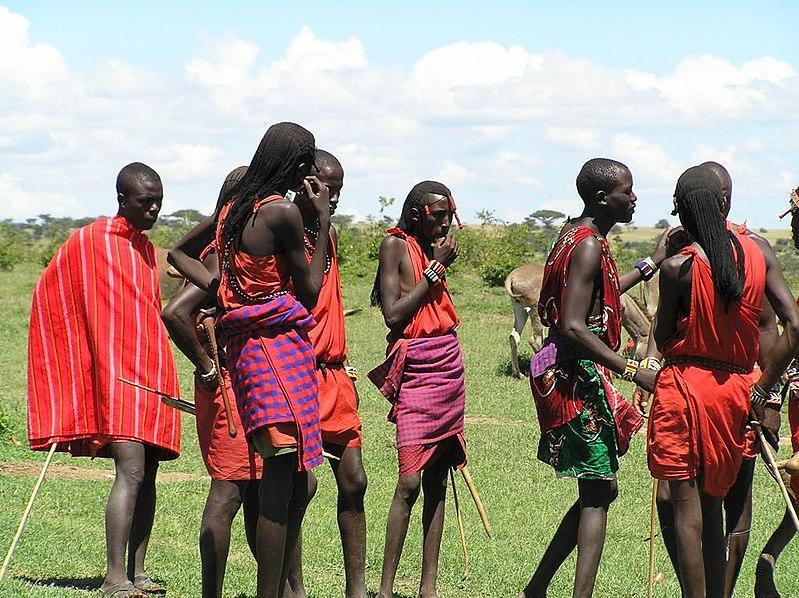
This article is centred around the fascinating world of Maasai mythology, where the roles of deities in mortal lives take a distinct shape. But unlike most African religions that depend on the lesser deities to communicate with their supreme deity, Enkai (the supreme deity whom the Maasai people worship) plays a direct and central role in their lives. The Maasai people are monotheistic, and they are known as pastoralists, nomadic people who move from place to place in search of grazing pastures for their herds, whose beliefs are centred around their nomadic lifestyle. Their cattle are seen as sacred gifts given to them by Enkai, and as one of the most culturally visible ethnic groups often featured in the media, the Maasai culture and belief systems serve as a compelling case study to understand their divine relationship in their religion. Currently, the Maasai people reside in some parts of Kenya and the northern part of Tanzania.