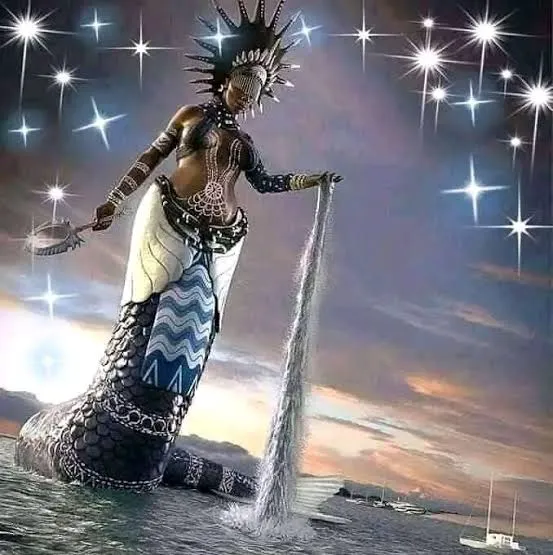
Rivers occupy an important place in the folklore of many Nigerian communities. Beyond their practical roles as sources of water, transportation routes, and fishing grounds, rivers often appear in oral traditions, historical narratives, and accounts of spiritual beings. Stories associated with rivers vary widely across Nigeria's cultural groups. Some traditions describe rivers as places connected with ancestors or deities, while others recount events involving hunters, fishermen, migrants, or supernatural beings. In many cases, rivers serve as settings through which communities preserve historical memory and transmit cultural knowledge.
Here is a list of ten rivers in Nigerian folklore:
1. River Niger
The River Niger appears in the traditions of several communities, including the Nupe, Igala, and Ijaw. Oral accounts associated with the river often describe migration, trade, settlement, and encounters with spiritual forces. Some narratives portray the river as a route followed by ancestors during periods of movement and expansion. Others recount stories involving fishermen, travelers, and rulers whose fortunes were connected to the river.
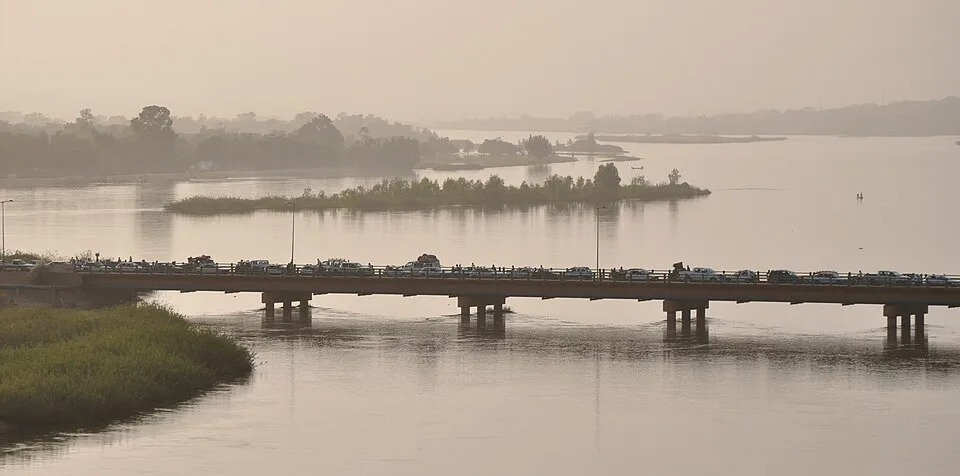
The Pont Kennedy across the Niger at Niamey, early 2019; Source: Wikipedia.
2. River Benue
The Benue River features in oral traditions among communities living along its banks. Stories associated with the river often concern fishing, agriculture, seasonal abundance, and the responsible use of natural resources. In some accounts, individuals who disregard customary restrictions related to the river encounter misfortune, while those who observe communal expectations prosper.
3. Cross River (native name: Oyono)
Among Efik and neighbouring groups, waterways connected to the Cross River frequently appear in traditions concerning migration and settlement. Some accounts describe ancestors crossing rivers or navigating difficult waterways while searching for new places to live. These stories often form part of broader narratives explaining the origins of communities and their movement across the region. The river therefore appears not only as a physical landmark but also as a recurring setting in local historical traditions.
4. River Ethiope and the Umuaja Spring Traditions
The Ethiope River, which originates from a spring at Umuaja in present-day Delta State, is associated with various local traditions concerning its source. Oral accounts describe the spring as a place of special significance and sometimes refer to spiritual guardians connected with the area. The river's unusually clear waters are frequently mentioned in local narratives. These traditions contribute to the cultural importance of the river within surrounding communities.
5. Osun River
The Osun River is closely associated with traditions concerning Osun, a Yoruba deity linked with fertility, healing, and well-being. Oral narratives describe interactions between people and the deity, often through the medium of the river. The river also plays a central role in ceremonies and observances connected with Osun worship. The annual Osun-Osogbo Festival continues to preserve and celebrate many of these traditions.
6. River Kaduna
The name Kaduna is commonly linked to crocodiles, and crocodiles appear in a number of traditions associated with the river. In some stories, these animals are portrayed as unusual or spiritually significant creatures connected with particular stretches of water. Such accounts frequently appear in narratives concerning respect for places regarded as important by local communities.
7. River Gongola
Among some communities in northeastern Nigeria, traditions connected with the Gongola River include stories involving hunters and encounters with supernatural forces. A recurring theme in these narratives is the making and breaking of agreements between humans and spiritual beings. Success or failure often depends on whether promises are kept.
8. River Hadejia
The Hadejia River appears in stories that explain changes in water levels and seasonal patterns. Some traditions describe these changes through narratives involving spiritual beings or events from the distant past. Others use seasonal variation as the background for stories about farming, fishing, and community life.
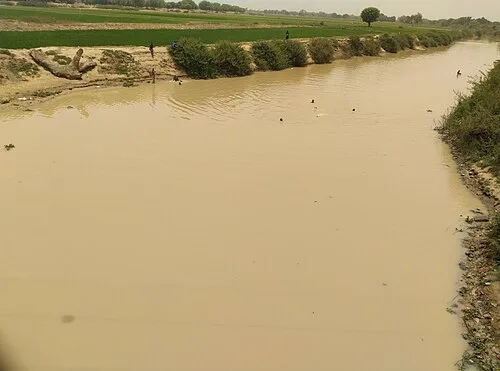
River Hadejia; Source: Wikipedia
9. River Anambra
Among Igbo-speaking communities, stories concerning water spirits are widespread. Rivers in Anambra State feature in some of these traditions. Narratives often describe encounters with beings who emerge from rivers or dwell beneath the water. In certain accounts, these figures offer wealth, knowledge, or assistance, often under specific conditions.
10. The River at Akwanga in Mada Oral Tradition
Among the Mada people of present-day Nasarawa State, oral traditions recount the story of a river associated with a broken covenant. According to these accounts, a hunter ignored warnings concerning a protected area near the river. The events that followed became part of local tradition and are used to explain the river's continuous sound. The story forms part of a broader body of Mada oral literature concerning the relationship between people, land, and inherited customs.