
Introduction
Nollywood, Nigeria’s prolific film industry, emerged in the early 1990s as both entertainment and a cultural record. Far from being mere fiction, these films served as mirrors of the society that produced them, documenting the social anxieties, aspirations, and contradictions of the era. Domitilla (1996), directed by Zeb Ejiro, stands as one of the most influential Nollywood films of its decade. By exploring themes of sex work, gendered survival, morality, and urban life, the film provides invaluable insight into the lived realities of Nigerians in the post-Structural Adjustment Program (SAP) era. As a cultural text, Domitilla functions as a historical archive, preserving the experiences of women navigating poverty and the complexities of Lagos city life in the 1990s.
Contextualizing Domitilla in Nigerian History
The SAP Era and Economic Struggles
The release of Domitilla coincided with one of the most turbulent socio-economic periods in Nigeria’s history. The introduction of SAP in 1986, under the military regime of General Ibrahim Babangida, led to widespread economic dislocation. Subsidy removals, currency devaluation, and massive job losses created a climate of hardship, particularly among the urban poor. Women were disproportionately affected, as they often bore the responsibility of sustaining households under declining economic conditions.
Lagos as a Symbol of Opportunity and Crisis
The setting of Lagos in Domitilla was deliberate. Lagos, Nigeria’s commercial capital, symbolized both the lure of wealth and the dangers of survival in an urban jungle. Migration to the city promised opportunity but often resulted in exploitation and moral compromise. By situating the narrative in Lagos, Zeb Ejiro captured the contradictions of urban modernity in 1990s Nigeria, making the film a cinematic archive of the social geography of its time.
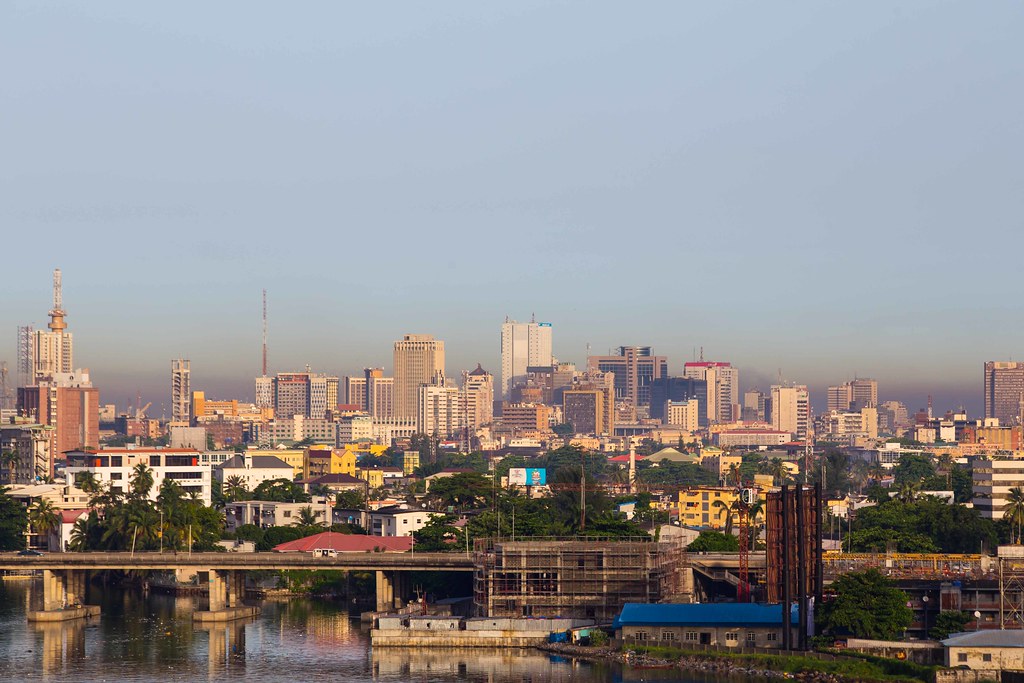
Lagos cityscape as seen in a recent photograph, illustrating the urban environment central to Domitilla’s narrative. ( Photo from Google)
Gender and Survival in Domitilla
The Politics of Women’s Bodies
At the heart of the film is Domitilla, a young woman who turns to sex work as a means of survival. Her character embodies the struggles of many women who were forced into precarious economic choices by structural inequalities. The film does not present Domitilla merely as a victim but as a figure negotiating agency within exploitative systems. In doing so, it reflects broader debates about women’s bodies, respectability, and morality in Nigerian society.
Female Agency and Exploitation
The narrative of Domitilla reveals the duality of sex work in Nigeria’s cultural imagination. On one hand, Domitilla exhibits agency, choosing her path in a hostile economy; on the other, her experiences expose her vulnerability to male exploitation and societal condemnation. This duality reflects the ambivalence in Nigerian society toward women who step outside traditional roles. The film therefore archives the cultural debates of the 1990s concerning gender, labor, and survival.
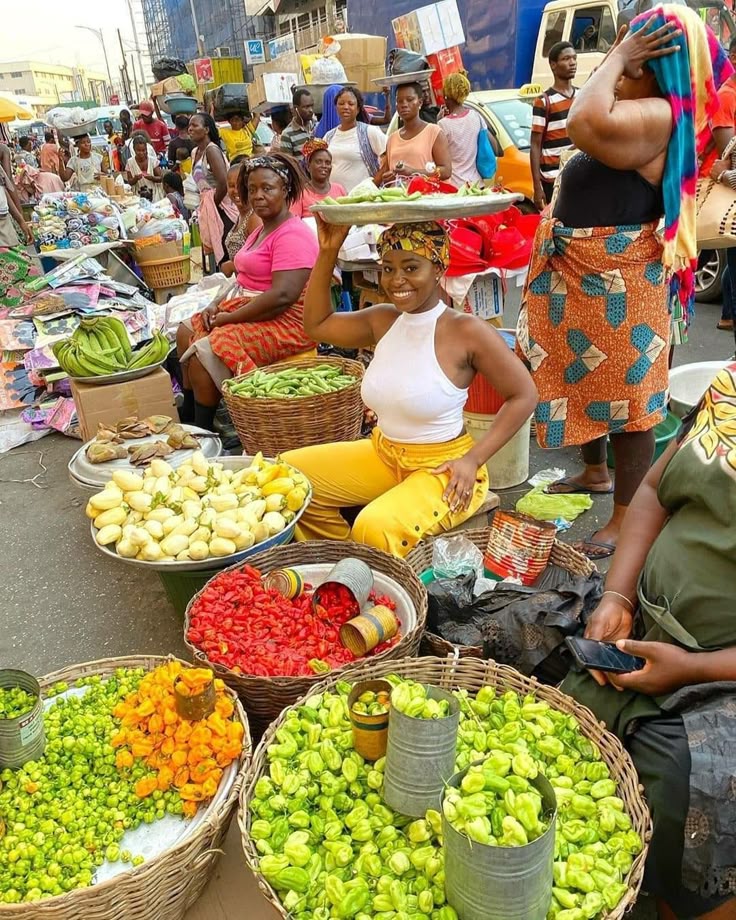
Balogun market in Lagos, where women dominate informal trade. Scenes like this mirror the struggles represented in Domitilla. (Photo from Pinterest)
Morality, Class, and Urban Life
Lagos as a Theatre of Contradictions
The film situates Domitilla’s struggles within a Lagos divided by class. The wealthy elites enjoy opulence, while the urban poor navigate precarious conditions. This class tension is central to the moral dilemmas presented in the film, where the pursuit of survival collides with social expectations of respectability and virtue.
Moral Caution and Social Commentary
Like many Nollywood films of the era, Domitilla functions as a moral cautionary tale. The story warns of the dangers of “fast life” and moral compromise, echoing the dominant Christian revivalist discourses of the time. Yet beyond moral didacticism, the film also serves as a social commentary, documenting how economic hardship forced many women into choices that mainstream society stigmatized but rarely addressed directly.
Nollywood as a Historical Archive
Cinema as Collective Memory
Domitilla demonstrates how Nollywood films act as repositories of collective memory. Unlike official state archives, which often privilege elite perspectives, Nollywood preserved the stories of ordinary Nigerians grappling with urban crises. The film thus functions as a counter-archive, one that highlights experiences excluded from formal historical records.
Popular Reception and Enduring Relevance
The popularity of Domitilla reflected its resonance with Nigerian audiences who saw their realities mirrored on screen. Its themes of poverty, survival, and gender exploitation remain relevant, underscoring the enduring value of Nollywood as a historical resource. The 2023 remake of Domitilla attests to its continued cultural relevance, demonstrating how the issues of the 1990s persist in contemporary Nigeria.
Conclusion
As a film, Domitilla is more than fiction. It is a historical document that preserves the lived experiences of Nigerian women and urban society during the SAP era. Through its portrayal of gendered survival, moral anxieties, and class tensions, the film provides an invaluable archive of 1990s Nigeria.
By studying Domitilla and other Nollywood films of the period, scholars can access a rich cultural record of how Nigerians navigated crisis, survival, and modernity. Nollywood’s role as a people’s archive underscores its importance not only in cultural history but also in documenting the everyday struggles often absent from formal historical narratives.


