
When we attempt to catalogue the "wildest" moments of the last decade in Nigeria, our minds inevitably drift to the loud, kinetic explosions (ballot box snatches of the 2015 elections, the gunfire and burning tires at the Lekki Tollgate in 2020, or the bank app crashes during the Cash Scarcity of 2023), but there is a stranger chaos that we often miss: the 2016 tomato crisis
To understand the sheer scale of the panic, one must first understand the tomato’s place in the Nigerian psyche. In the culinary architecture of West Africa, the tomato is not merely an ingredient; it is the foundation. It is the canvas upon which many Nigerian meals are painted. Consider the "Rice and Stew" that governs the Nigerian week. In a typical household, plain white rice is viewed with suspicion, "sick" food that is reserved for toddlers or those recovering from illnesses. It requires the baptism of the stew to become a meal. The same applies to Yam, Agidi, Pasta and even Bread. Stew is the unifying sauce that crosses tribal lines and class divides.
So, when the supply lines broke in May 2016, it was a structural collapse. The crisis began with a sudden drying up of the arteries connecting the North to the South. An article by Sam Olukoya for DW, “Pests and drought hit Nigeria’s tomato farm,” captures the reality on the ground:
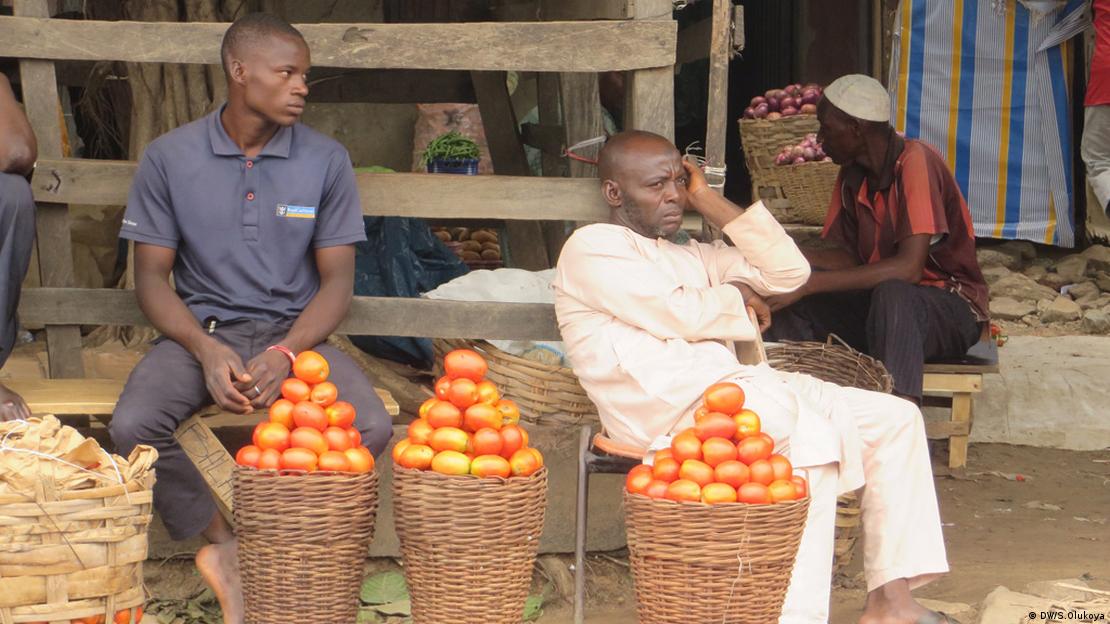
“The Dede tomato market in the capital Abuja is usually bustling with customers stocking up on the bright fruit, which plays a starring role in Nigerian cuisine. But these days, prices are high and business slow.
"When tomatoes were in abundance we were taking delivery of more than a hundred trucks daily," says Mamuda Mamoko, an official of the market's traders union. "Now we are taking delivery of a little over 20 to 25 trucks."
Things are much the same across the country.”
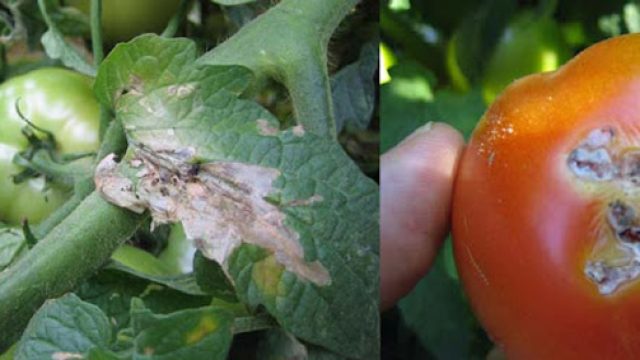
The culprit was a microscopic larva that fed on the plants with an almost supernatural resilience. As farmers in Kaduna lamented to journalists at the time, you could leave your farm in good shape at sunset and return the next morning to find it wiped out. The moth was a juggernaut; it was resistant to pesticides, and combined with encroaching desertification and fuel shortages, it created a perfect storm. Suddenly, stew became a luxury for the 1%.
Necessity is the mother of invention, but desperation is the mother of improvisation. As the price of four medium-sized tomatoes hit ₦500, the Nigerian middle class descended into a laboratory of culinary experimentation. We entered an era of forced innovation. The first instinct was a desperate attempt to recreate the visual of the "Red Stew" at all costs. I vividly remember the recipes that circulated on WhatsApp with the enthusiasm of a miracle cure: “Try this! No one could tell it was not tomato!”
The most popular substitute was the Carrot Stew. Households began blending kilograms of carrots with tatashe (bell peppers) to mimic the visual cue of redness. The logic was sound (carrots are orange, peppers are red), but the chemistry was flawed. The result was a not-so-stewy, confused sauce that many did not like. It looked right on Instagram, but on the tongue, it was a betrayal. Others tried to thicken their stews with pureed pumpkin or cornstarch, creating a sludge that lacked the acidic bite of the tomato. We walked into local bukas and were served rice with these pale, watery orange sauces. The texture was wrong; the sweetness was artificial. Yet, there was a silent, communal agreement to accept this simulacrum. We ate the orange stew because the alternative was to eat bland, white rice.
In this desperation, we also became intimately familiar with dehydrated tomatoes. Previously the reserve of specific people in the north, these leathery, sun-dried vegetables suddenly flooded southern markets. We learned the tedious rituals of soaking them in boiling water to exorcise the bitterness and the grit. Even after hours of boiling, the resulting stew retained a metallic, tart tang that tasted ancient, like something preserved from a previous century.
Moreover, where there is desperation, there are predators. The 2016 crisis birthed a shadow industry of malevolence. As reputable brands like Dangote Tomato and Erisco Foods shut down operations due to a lack of raw materials, a vacuum opened in the market. It was quickly filled by so-called “chemical pastes.” Unscrupulous importers and local counterfeiters flooded the markets with unbranded tins and sachets that contained no tomato at all. These were mixtures of cornstarch, thickeners, and massive doses of Red 40 industrial dye. A hysteria gripped the populace. WhatsApp broadcasts warned of "Killer Paste" that caused cancer. NAFDAC launched raids, seizing tons of adulterated products, but the fear lingered. Every meal became a game of Russian Roulette: was this stew made from fruit, or from chemicals? The visually hyper-red stews in cheap restaurants became suspect. If it was too red, we reasoned, it must be poison.
The scarcity even rewrote the social contract of the "Face-Me-I-Face-You" compounds. As noted by the columnist Reuben Abati, in his article “Tomato scarcity as metaphor” for The Cable:
The crisis also struck a blow to our national pride in the ongoing "Jollof Wars" with Ghana. For a few months, Nigerian Jollof, famous for its smoky, tomato-rich base, lost its soul. Without the rich tomato paste to provide the umami and the colour, our national dish turned a depressing shade of beige. It was a period of culinary humiliation on the international stage.
But as the crisis dragged on, denial gave way to a forced renaissance. If we couldn't fake the red stew, we had to find alternatives. For decades, the dominance of tomato stew had sidelined other magnificent Nigerian delicacies. The shortage broke that monopoly. Suddenly, Ofe-Akwu (Palm-nut Soup) enjoyed a massive, unexpected revival. Families who had spent decades married to tomato stew found solace in the nutty, golden embrace of Banga. It didn't require tomatoes; it relied on the palm fruit, which the moth did not eat. We saw a rise in Ofada Sauce (Ayamase), which relies on green peppers and bleached oil, and Garden Egg Stew. The crisis forced us to diversify our plates, stripping away the reliance on the tomato and rediscovering the depth of our own biodiversity.
Perhaps the most jarring realization of the "Tomato Ebola" era was the exposure of Nigeria’s fragile geography. The crisis was a harsh lesson in interdependence that mocked our political tribalism. The North and South needed each other’s raw materials to survive. The scarcity was exacerbated not just by the moth, but by the logistics of moving goods from the insurgent-troubled North East to the markets of Lagos and Port Harcourt.
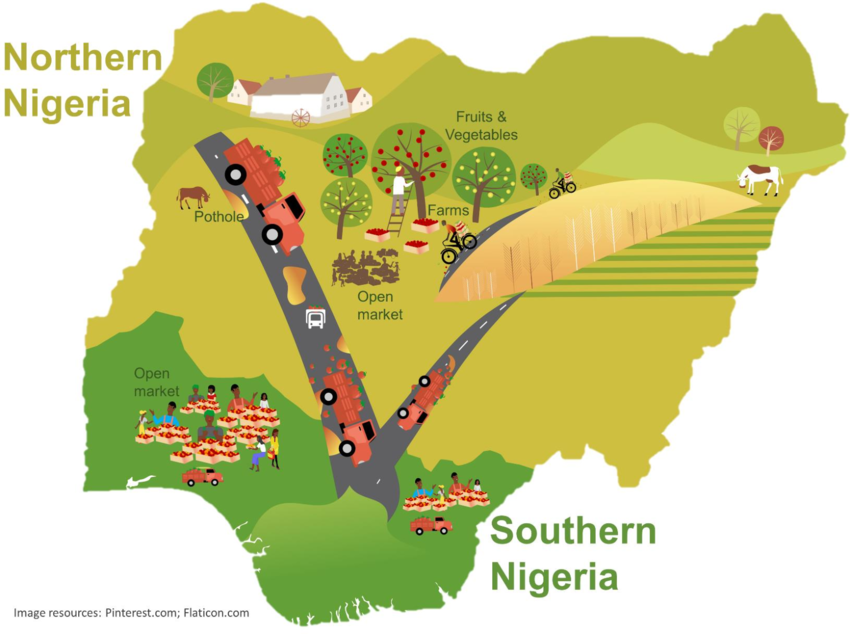
There was a biting irony to this. The same Southern demographic that was militantly campaigning against Northern herdsmen on social media, calling for bans on grazing and boycotting beef, was simultaneously begging for Northern tomatoes in the market. We realised, with uncomfortable clarity, that our dinner plates were political. The "Tomato Ebola" mocked our ethnic divisions. It showed us that while we might draw borders in our minds, our stomachs remained a federation. When the irrigation ditches in Kano dried up due to climate change, Awka starved. The South could not eat without the North, a reality that no amount of political rhetoric could cook away.
Ten years later, the "Tomato Ebola" is often discussed as a funny anecdote. We laugh about the carrot stew and the plastic pastes. But the true tragedy of 2016 is not that it happened, but that we learned nothing from it. As experts pointed out in the heat of the crisis, Nigeria produces 1.8 million tonnes of tomatoes annually but wastes nearly half of that due to a lack of storage and processing. Today, in 2025, that statistic has barely shifted. We still rely on rain-fed, open-air farming. We still rely on a rickety supply chain that trucks perishable goods across pot-holed highways.
The "Tomato Ebola" showed us that our food security is a house of cards. We survived the moth, and the tomato stew eventually returned to our tables. But we did not build sustainable frameworks. We did not fix the value chain. We simply went back to eating, forgetting that we are only one insect outbreak, one flood, or one border closure away from eating orange stew again. It speaks of our resilience, yes, but is also a warning about our continuous collective amnesia.


