
Introduction
Fermentation is one of the oldest forms of food preservation in the world, and across Africa, it continues to play a central role in shaping diets, enhancing nutrition, and preserving cultural heritage. From ogi (a fermented maize porridge) in southwestern Nigeria to kenkey (fermented maize dough) in Ghana, ugali variants in East Africa, and various sorghum- and millet-based beverages across the continent, fermentation remains an indispensable process within African food traditions. Beyond its practical function of preservation, fermentation is also deeply embedded in cultural identity, ritual practices, and systems of communal knowledge.
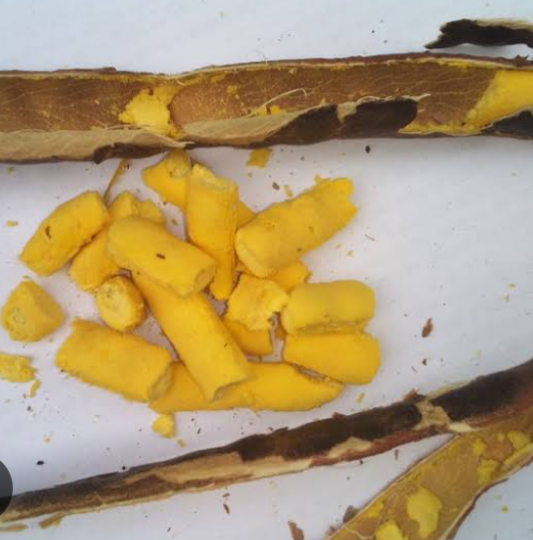
Within this broader framework of African fermentation practices, Parkia biglobosa, the African locust bean tree, occupies a particularly important place. A perennial deciduous tree in the family Fabaceae, Parkia biglobosa produces long pods containing an edible, sweet, fluffy pulp and dark brown seeds. While the pulp is consumed fresh or mixed into beverages, the seeds are transformed through a rigorous fermentation process to create a powerful seasoning with nutritional and medicinal significance.
In Plateau State, Nigeria, the processing of locust bean seeds into dawadawa represents not only a culinary practice but also a cultural marker, connecting local ethnic groups such as the Ngas, Berom, Anaguta, Miango, and Mangu to a wider West African heritage of locust bean fermentation. Known by various names—iru among the Yoruba, ogiri okpei among the Igbo, afintin in Benin, sumbala in Mali and Guinea, netetou in Senegal, and nere in Burkina Faso—this fermented condiment demonstrates the shared yet locally distinct traditions of food culture across Africa.
This article explores the fermentation of Parkia biglobosa seeds in Plateau State, Nigeria, situating the practice within broader African food traditions. It examines the botany and distribution of the tree, the cultural significance of the fermented product, the nutritional benefits of consumption, and the ethnographic details of its preparation. In doing so, it highlights how fermentation exemplifies the interconnections between environment, culture, and health in African societies.
The Botany and Distribution of Parkia Biglobosa
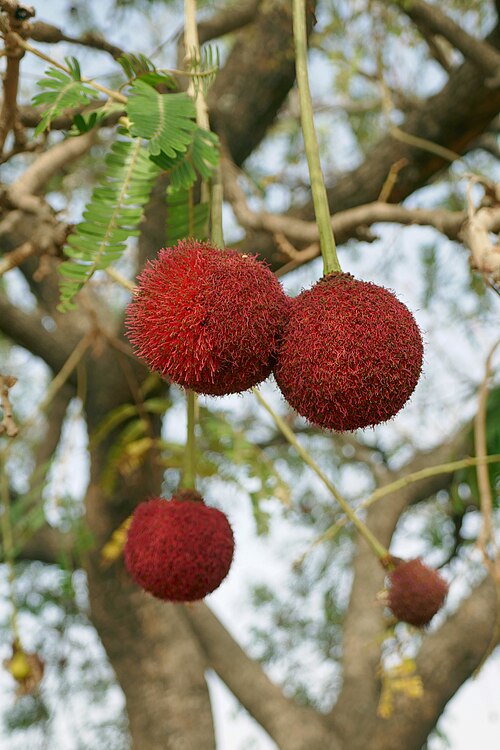
Parkia biglobosa, also referred to as the African locust bean tree, is native to the savanna regions of West and Central Africa. It is widely distributed across countries such as Nigeria, Ghana, Senegal, Mali, Guinea, and Burkina Faso, thriving especially in semi-arid and savanna climates. The tree grows well on hard, sometimes rocky soils, and during the spring it enters full blossom, producing elongated pods filled with a sweet yellow pulp and clusters of reddish inflorescence balls with long stems. The latter have earned it the colloquial name “badminton ball tree” in some regions.
.png)
The tree is multifunctional: its bark is rich in tannins used for tanning hides; its boiled pods provide natural dyes for pottery; its leaves can be incorporated into soups; and its carbohydrate-rich pulp is consumed fresh or as a drink. Yet, of all its uses, the seeds are the most economically and culturally significant, forming the basis of a fermented product central to food-ways across West Africa.
Cultural Context: Plateau State and West African Connections
In Plateau State, the production and consumption of fermented locust beans are a defining element of local cuisine and identity. Among the Ngas, Berom, Anaguta, Miango and Mangu peoples, dawadawa is a staple seasoning, central to both everyday meals and ceremonial feasts. The practice of processing and consuming locust beans also connects Plateau communities to a broader West African tradition.
Each ethnic group has developed its own variations of fermented condiments from locust beans. The Yoruba in southwestern Nigeria call it Iru, often molded into small cakes or wrapped in leaves for preservation. The Igbo produce ogiri okpei, which is similar in preparation but with subtle differences in flavor and texture. In Mali and Guinea, the same product is called sumbala, while in Senegal it is known as netetou. Despite the variations in nomenclature and minor differences in processing, the cultural function of these condiments is remarkably similar: they are used to enrich soups, stews, and sauces with a unique umami flavor that defines regional culinary profiles.
This shared tradition underscores a key theme in African food history: local practices often reflect wider regional systems of knowledge and exchange. Through the fermentation of locust beans, Plateau State participates in a culinary network that links Nigeria to the Sahel, the Savannah, and beyond.
Nutritional and Medicinal Value
Fermented locust beans are highly nutritious, despite their pungent aroma. The process of fermentation enhances the digestibility of the beans and releases nutrients otherwise locked in the raw seed. Rich in protein, iron, and calcium, fermented locust beans also aid digestion, reduce fever, promote good vision, regulate blood sugar, and help control cholesterol levels.
Scientific studies have further demonstrated that fermentation reduces anti-nutritional factors such as phytates and tannins, thereby improving the bioavailability of essential minerals.¹ This makes fermented locust beans particularly valuable in regions where diets may otherwise lack sufficient protein or micronutrients. For many families in Plateau State and across West Africa, the condiment serves not merely as a flavoring agent but as a vital nutritional supplement.
The medicinal applications of fermented locust beans are also notable. Traditional healers have long prescribed them in remedies for hypertension, gastrointestinal ailments, and skin infections. The integration of fermented locust beans into both cuisine and medicine demonstrates the holistic understanding of food and health that characterizes many African societies.
The Fermentation Process
The seeds of Parkia biglobosa cannot be consumed raw due to their hard texture and bitter taste. Instead, they undergo a series of labor-intensive processes that transform them into a consumable and flavorful condiment. In Plateau State, traditional methods remain dominant, although minor innovations have been introduced in some areas.
The basic procedure includes:
1. Pod Removal: The seeds are separated from the pulp, which is housed in long brownish pods.
2. Initial Boiling: The seeds are boiled in water for 12–24 hours to soften the tough hull.
3. Dehulling: The softened seeds are pounded in a mortar or rubbed by hand (or foot) to remove the hull.
4. Washing: The mixture is washed to separate the hulls from the small brown seeds.
5. Secondary Boiling: The dehulled seeds are boiled again for 1–3 hours to soften further.
6. Fermentation: The softened seeds are left to ferment for about three days, during which microbial activity transforms the beans, producing their distinctive aroma and flavor.
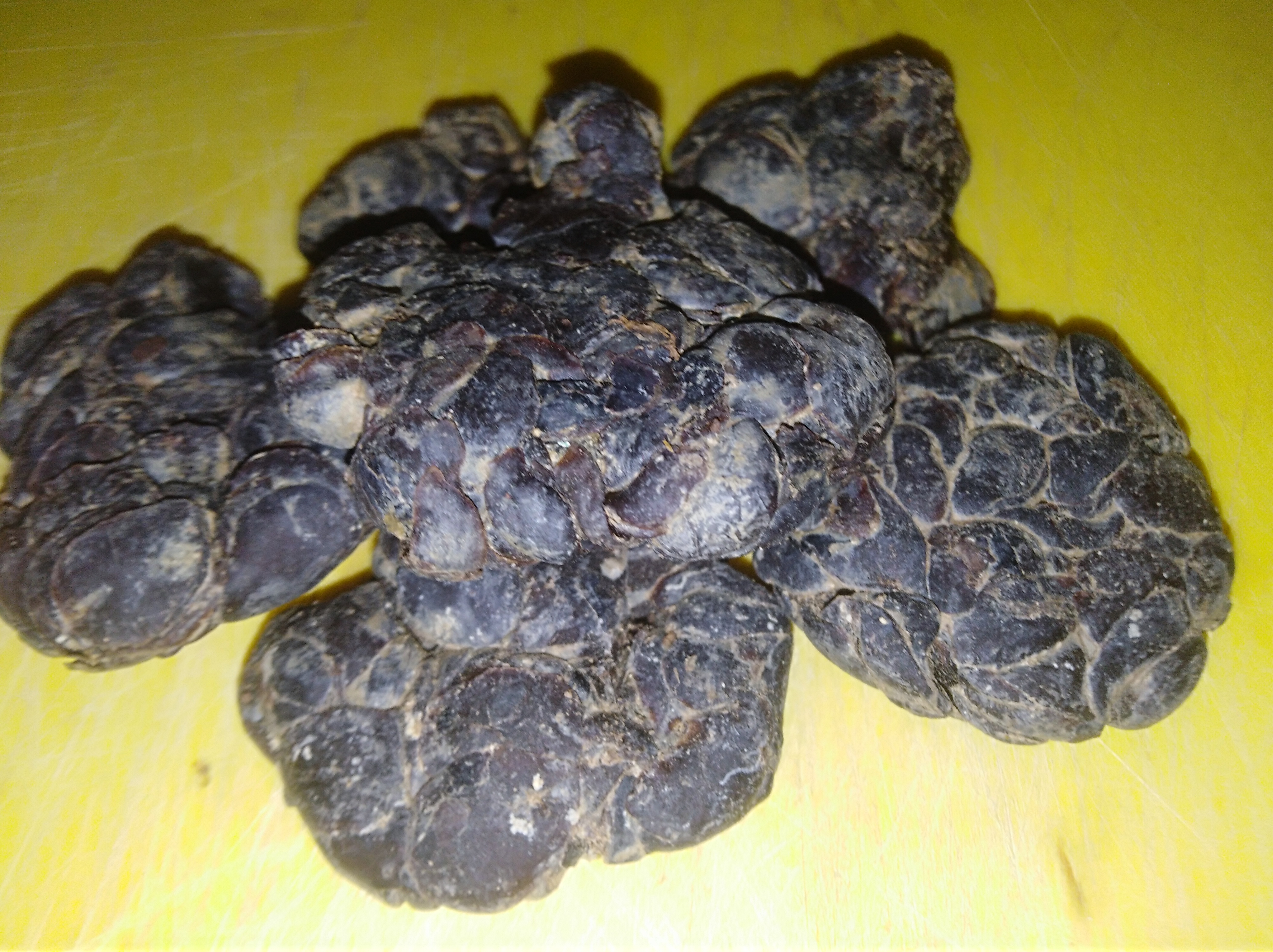
7. Shaping and Preservation: After fermentation, salt may be added, and the product is molded into flat cakes or small balls. Partial drying in the sun helps preserve them, while some households prefer to dry thoroughly before storage in airtight containers to control odor.
Before cooking, fermented locust beans are usually washed again to remove dust particles accumulated during traditional processing.
This detailed process not only demonstrates the sophistication of indigenous food technologies but also highlights the communal labor often involved. In many Plateau households, fermentation is a gendered activity, traditionally carried out by women, who pass down the skills through generations.
Culinary Applications
Fermented locust beans are used extensively in Nigerian and West African cuisine. In Plateau State, they are commonly incorporated into soups such as okra, egusi (melon seed soup), miyan kuka (baobab leaf soup), and ewedu. They also enrich stews, sauces, and even rice dishes. While the raw aroma is strong and often considered unpleasant, cooking transforms it into a deeply savory, irresistible flavor.
This duality—between the initial pungency and the final deliciousness—reflects the transformative power of fermentation itself: what begins as inedible and unappealing is rendered nourishing and desirable through human ingenuity.
Symbolism and Cultural Significance
Beyond nutrition and flavor, fermented locust beans also carry symbolic significance. In Plateau State, they are associated with hospitality and communal meals, often used in dishes prepared for guests or during celebrations. Their pungent smell, while off-putting to some, is for others a nostalgic marker of home and belonging.
The production of fermented locust beans also reflects the resilience of African food cultures in the face of modernization. Despite the availability of commercial seasonings such as bouillon cubes, many households continue to prefer dawadawa for its natural flavor and health benefits. Its persistence testifies to the cultural tenacity of indigenous food practices.
Conclusion
The fermentation of Parkia biglobosa seeds in Plateau State, Nigeria, illustrates the depth and complexity of African food traditions. It embodies the interweaving of environment, nutrition, medicine, and culture in a single practice. From the ethnographic details of its preparation to the broader regional connections it sustains, fermented locust beans demonstrate how food is never merely sustenance—it is also identity, memory, and survival.
By situating the production of dawadawa within the wider African context, we see both the specificity of Plateau practices and their resonance across West Africa. Fermentation here is not only a technique of preservation but also a cultural expression, a nutritional necessity, and a symbol of resilience.


