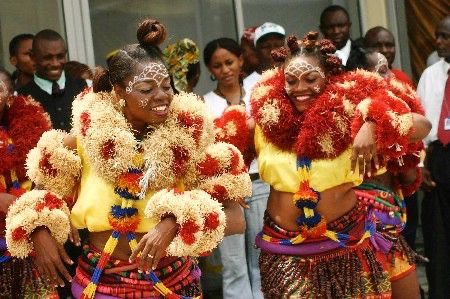
Tradition· Long-Form Article
Ten Nigerian Traditions Quietly Slipping Away
A look at ten Nigerian traditions that are still around, but not quite the way they used to be
By Star Gurl· 5 min
Search and filter across articles, codex entries and podcast episodes on myth, folklore and cultural memory.
A look at ten Nigerian traditions that are still around, but not quite the way they used to be
By Star Gurl· 5 min
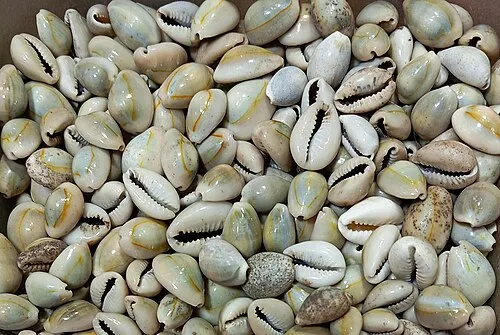
A shell once carried from hand to hand as currency, became a vessel through which history, spirituality, and identity continue to speak
By Akunna Danugwu· 6 min
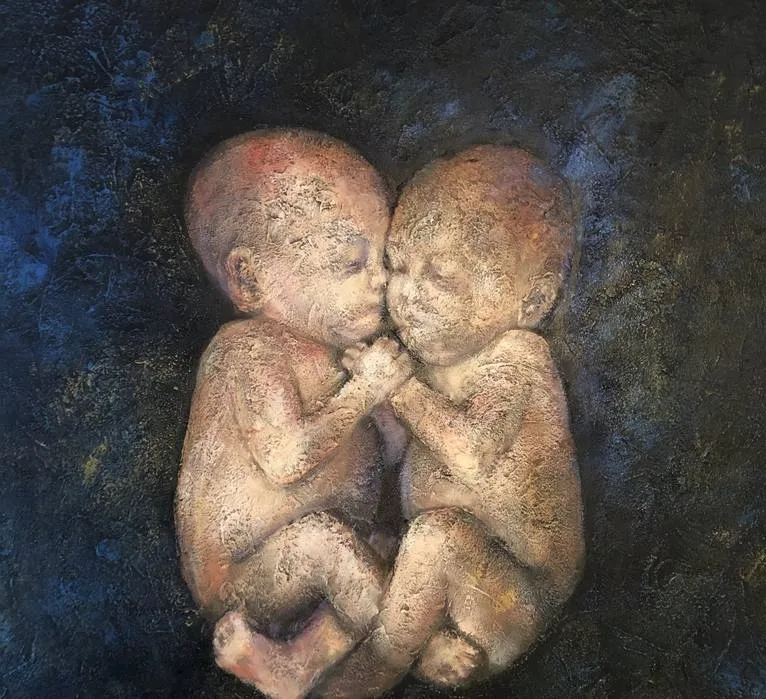
When a Ga twin dies, the story does not end with burial.
By Benjamin neil Ibrahim· 5 min
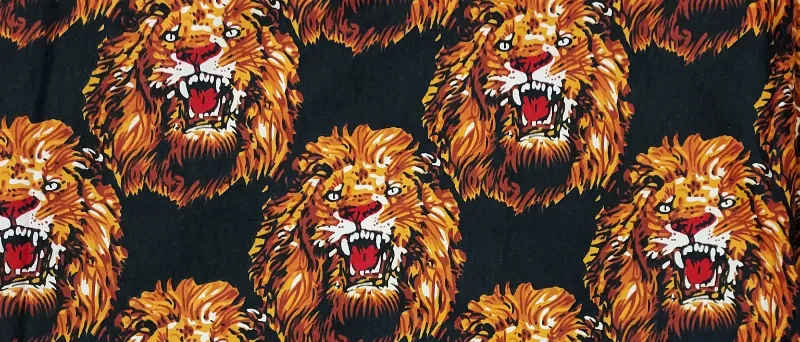
How the Igbo transformed a Victorian trade commodity into the Isi-Agu
By Somtochukwu Udeozo· 6 min
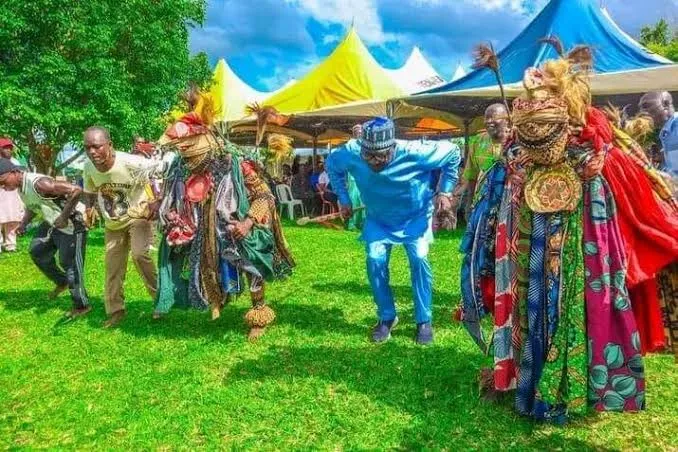
How a small ethnic community in Nigeria's Middle Belt has carried its history and land-based spirituality across centuries of change.
By Benjamin neil Ibrahim· 5 min

Nnamdi Anyadu's collection of stories locates the full complexity of Nigerian life inside the rituals of cooking, eating, and being fed
By Shalom Kasim· 4 min

The past few years have been marked by major crises like the COVID-19 pandemic, economic strain, AI growth, as well as smaller habits like sharing WhatsApp prayers and warnings.
By Isreal Jeremiah· 7 min

Weddings are sweeter when you eat Adau and feel part of something bigger —at least that is how the Tangale do it.
By Sunday Stephen Laabes· 6 min

From around 2015, there arose an unusual spike in the Pentecostal concept of “spiritual cleansing.”
By Precious Peters· 4 min

The Sùkú hairstyle serves as a repository of Yoruba history and philosophical tradition. And although materials and social access have evolved, the core imperative of the hairstyle remains constant: to utilize complex artistry to honor and elevate the Orí.
By Jemima Oluwaseun· 6 min

South Africa has plenty of fusion street foods that tell stories of adaptation and survival, but the Bunny Chow, a hollowed-out loaf of bread filled with curry, born out of the necessity of its times, became the sign of a subtler resistance to apartheid structures.
By Inumidun Seyiolapade· 6 min

According to studies cooking and sharing a meal during a Kenyan burial helps the bereaved individuals process their grief in a healthier manner. This article helps to clarify how shared food acts as the tangible vehicle through which this prosociality is exprssed and consumed.
By Rachael Akinlolu· 9 min

The Himba people of Namibia are a resilient, semi-nomadic community known for their striking red ochre skin, elaborate hairstyles, and deep spiritual connection to cattle and the ancestral fire. Their traditions — from marriage customs to music, storytelling, and adornment — reflect a way of life that balances survival in a harsh desert with beauty, identity, and heritage. Despite modern challenges, the Himba remain a living symbol of culture, endurance, and pride.
By Victor· 8 min

The Maasai traditional diet, which consists of milk, blood, and meat, operates not merely as a source of sustenance but as a sacred system that is integral to the spiritual and social structure of the community. This article analyses how the ritual consumption of these foods anchors major life transitions, such as eunoto and olng'esherr, ensuring the continuity of cultural heritage.
By Nneoma Sally· 8 min

The Hausa turned clay into culture, raising the earthen walls and intricate plasterwork that still define cities like Kano. Shaped by the demands of climate and faith, their buildings made ordinary tools and spaces into works of art.
By Akunna Danugwu· 6 min

Tapped from the sap of palms and left to ferment by wild yeasts, palm wine sours from sweet to sharp within hours of leaving the tree. Across Africa and its diaspora, the milky drink has long lubricated ceremony and bound communities, an everyday wine poured at the heart of social life.
By Gbenga Salvador· 6 min

Across Africa, fermentation has long turned plain grains and seeds into food that keeps and nourishes. In Plateau State, the seeds of the African locust bean become dawadawa, a pungent seasoning that ties the Ngas, Berom, and their neighbours to a wider West African heritage.
By Chinwendu Calista· 8 min

At Ounjougou in Mali, archaeologists found pottery more than eleven thousand years old, among the oldest on earth. Made by hunter-gatherers in a green and well-watered Sahara, these humble fired pots reshaped how West Africans stored food long before farming or cities.
By Precious Peters· 4 min

Ukpaka is the Igbo name for the African oil bean, whose hard black pods burst open with a clap to scatter their seeds. Fermented into a pungent, protein-rich condiment, it flavours Igbo delicacies and feeds the good bacteria of the gut.
By Nneoma Sally· 7 min

In Eastern Nigeria, the tapper rises before dawn to draw the milky sap that sweetens, then sharpens, as the day wears on. Among the Igbo, palm wine seals marriages and marks every milestone, its fermentation as much a matter of culture as of chemistry.
By Precious Peters· 6 min

Unripe plantain porridge holds a special place in Igbo culture, not just as food, but as medicine and memory. This piece looks at its roots as a healing meal, its preparation with local ingredients, and the blend of traditional and scientific views that affirm its value.
By Precious Peters· 5 min

The Chisungu initiation rite among the Bemba of Zambia is a structured process that guides girls into adulthood. Through education, discipline, and ritual, it shapes identity and prepares them for their roles within the community.
By Shallom Paul· 6 min

Hibiscus sabdariffa is more than a vibrant drink ingredient, it’s a plant with deep historical roots and remarkable health properties. From its role in traditional cultures to modern scientific research, this piece looks at how hibiscus has endured as both a cultural staple and a subject of cutting-edge study.
By Inumidun Seyiolapade· 12 min

Teff is one of the world’s tiniest grains, but its nutritional and historical significance is anything but small. Take a look at how its unique structure preserves its full nutritional value and explore its role in feeding generations across time.
By Jemima Oluwaseun· 14 min

Justicia carnea, the bright-flowered plant Nigerians call the blood leaf, has long been brewed by traditional healers to enrich the blood. The Yoruba know it as Ewé Èjè, the Igbo as Ogwu Ọbara, names that both translate to blood.
By Chinwendu Calista· 6 min

Among the Ohafia of Abia State, courage was once proven on the battlefield, where a young man took the head of his strongest foe to be counted a man. Their war dance, Ikpirikpi Ogu, keeps that warrior past alive, teaching each new generation what honour and manhood once demanded.
By Somtochukwu Udeozo· 9 min

How does one become a respected man in the Senufo community? Discover and explore the Senufo Poro society's hidden ceremonies, which put genuine adulthood to the test through rigorous spiritual and mental training as well as nonverbal instructions.
By Nneoma Sally· 8 min

Among the Dan people of west-central Côte d'Ivoire and northern Liberia, Gle masks aren't just carved objects sitting behind glass. This exploration dives into how the entities behind these masks function as both spiritual guardians and problem-solvers in Dan society.
By Inumidun Seyiolapade· 14 min

Among the Senufo of Côte d'Ivoire, a boy is not yet a man simply because he has grown. Only after seclusion, where he learns courage and responsibility and is symbolically reborn, does the community accept him as an adult fit to take part in its decisions.
By Akunna Danugwu· 8 min

Among the Hausa people of Northern Nigeria, physical objects such as charms, amulets, and ritual instruments are not merely symbolic—they are believed to contain or attract spiritual forces.
By Shallom Paul· 4 min

The Ojude Oba Festival is an annual celebration by the Ijebu-Yoruba people that blends Islamic faith, Yoruba kingship, and traditional culture to honor the Awujale. It reinforces communal identity and heritage through age-grade processions, music, dance, regalia, and horse-riding displays.
By Eleojo· 14 min

The film Sinners (2025) explores the relationship between African diaspora spirituality, ancestral presence, and African traditional religions. It examines how these elements intersect, reflect, and reinterpret indigenous African belief systems in contemporary contexts.
By Shallom Paul· 5 min

Death isn't the end—it's just the beginning of an incredible journey home. This article will take us through the world of Yorùbá Ìsìnkú practices and taboos, where funeral rites aren't just about saying goodbye but about ensuring safe passage through the afterlife.
By Inumidun Seyiolapade· 13 min

Osun is the Yoruba goddess of fertility and fresh water, the only woman among the seventeen orisha sent to shape the world. Each August in Osogbo, thousands follow the king and the sacred Arugba to her river shrine for the climax of a fourteen-day festival.
By Comfort Polit· 6 min

Colonial schooling insisted Africans had no writing of their own, a claim Nsibidi quietly disproves. This ancient system of symbols from the Cross River, some of it centuries old, recorded meaning among the Efik and Igbo long before the missionaries came.
By Peace· 6 min

Oriire is introducing monthly writing prompts for paid submissions.
By Oriire· 1 min

For the Babur, marriage is planned right at the birth of the bride. Like an investment, it is nurtured and watched carefully untill the celebration of they union.
By Shallom Paul· 4 min

Ngorda dance is the signature dance of the Terawa people of Gombe State, Nigeria.
By Shallom Paul· 4 min

A boy arrives in the city with nothing but determination and is taken in by an established trader, his Oga, who feeds and teaches him for years. In return he is settled with capital and a shop of his own, the engine of Igbo apprenticeship that has built wealth across generations.
By Miracle· 6 min

Among the Ashanti of Ghana, the towering silk umbrella called Kyinie shelters no one from the rain. Seven feet tall and richly coloured, it rises over a chief at durbars and funerals to announce his authority.
By Nene· 6 min

The topic IGIOGBE, focuses on succession in the native Bini Kingdom which transcended into the modern Benin Kingdom. This essay sheds light on the idea behind inheritance and the spiritual implication inclined with first born sons inheriting the IGIOGBE title.
By Grace Oshiname· 9 min

Long before Shakespeare reached Nigerian classrooms, the Afikpo Igbo were staging Okumkpo, a masked theatre of satire and song. Performed by up to a hundred men in wooden masks during the dry season, it turned sharp social commentary into spectacle.
By Nene· 7 min

Explore the rich history of Kente cloth, the intricate art of weaving by the Ashantis of Ghana, and the cultural significance, taboos, and traditions that surround this iconic textile.
By Nene· 6 min

The Ashanti Drum Language is an intricate communication system using drumming to convey messages across villages in parts of Ghana. Learn how drums speak through tonal rhythms and the cultural significance behind them.
By Nene· 5 min

Before the advent of modern law enforcement and judiciary systems, the Idoma tribe of Nigeria sought justice and guidance from their ancestral spirit, Alekwu, who is believed to ensure justice, peace, fairness, and prosperity. The Alekwu tradition is deeply rooted in their culture and is celebrated annually during the Eje-Alekwu festival, to honour the ancestral spirit.
By Gloria Anefu· 5 min

Iwas are spirits in the diasporic religion of Voudou. This article explores their journey over transatlantic waters to the Caribbeans where they finally settle into Haitian soil.
By Inumidun Seyiolapade· 12 min
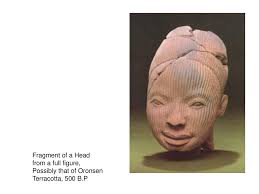
Six centuries ago, King Rerengejen of Owo married Oronsen, a beautiful stranger who revealed herself to be an orisha bound to him by three sacred taboos. When his other wives broke them in his absence, her fury reshaped the kingdom, and Owo has honoured her every year since with the Igogo festival.
By Comfort Polit· 4 min

For more than two centuries, the horsemen of Kano rode out to show the Emir their readiness for battle. Today that display survives as the Durbar, a thunder of horses and drums each Eid that still reaffirms the authority of the northern emirates.
By Comfort Polit· 5 min

For nearly a thousand years, the people of Idanre lived atop the towering rocks of Oke Idanre in Ondo State. Their settlement began with a descendant of Oduduwa who fled Ile-Ife with a stolen crown, and the hill still guards the palace and shrines of that long history.
By Jemimah Ekundayo· 7 min

Long before it was ever a slaver's brand, scarification was an art across Africa, and among the Yoruba the marks are known as ila. Cut with a blade and stained with charcoal, they once named a person's family and lineage at a glance, and were even used to keep abiku children from dying.
By Inumidun Seyiolapade· 7 min

Adire has been in existence for decades and it is more than a fashion statement, it tells the stories of our people and shows their way of life.
By Tarinabo· 5 min

The boat regatta is a festival popular to people of the riverine communities in Nigeria. A regal festival of colors and dance that tells the story and shows the culture of the people.
By Tarinabo· 6 min

The famous Nok terracottas come from the land of the Ham, a people of southern Kaduna few Nigerians can actually name. Farmers and ginger growers who speak Hyam, they are now pushing back against "Jaba", the outsider's label they consider a slur.
By Zainab· 4 min

Igbabonelimhin, the acrobatic masquerade of the Esan, takes its name from words meaning "clapping for the spirits". Legend says a hunter first saw the somersaulting dance performed by gorillas in the forest, and the Esan have used it ever since to commune with their ancestors and cleanse the land.
By Tracy Osaremhen· 6 min
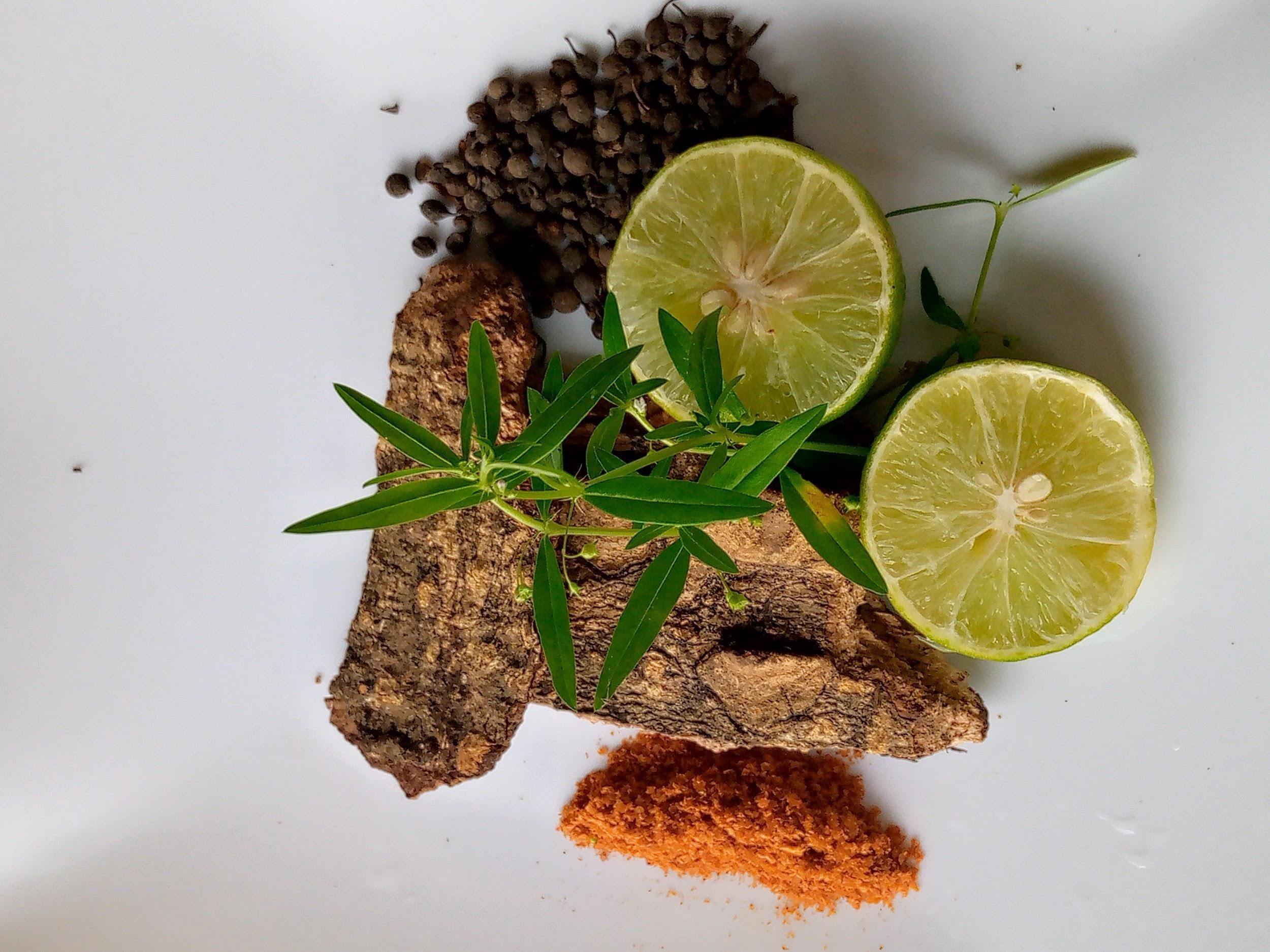
The Esan name Okosun means son of Osun, their god of medicine and the force believed to dwell inside every healing leaf. Among the Esan of central Edo, herbs are both medicine and inheritance, bound up with how the people name their children and care for one another.
By Tracy Osaremhen· 7 min

On the north bank of the Lagos Lagoon sits Epe, an old Ijebu port that once traded cloth and sheltered the exiled king Kosoko. Its yearly Kayo-Kayo festival carries that history forward, drawing the fishing town together in a celebration generations deep.
By Jemimah Ekundayo· 4 min

Each Easter, the Ngas of Plateau State gather for Pusdung, a thanksgiving for the harvest that has grown from a single day into a week of celebration. The festival draws families home from across Nigeria and offers up gratitude for the land and a plea for its blessing.
By Comfort Polit· 5 min

Each January in Umuahia, the Igbo bring out the Ekpe masquerades, costumed embodiments of the ancestors, to dance through the streets. The festival honours the dead and draws the living together, a yearly spectacle that pulls crowds from across Nigeria and beyond.
By Precious Odichinma· 5 min

Each year, as the rains give way to harvest, Igbo and Idoma communities mark the New Yam Festival, or Iri Ji. No one may eat the new yam until the first of the harvest has been offered in thanks to the ancestors.
By Fiyinfoluwa Victory· 4 min

The Oro masquerade is the voice of the ancestors among the Yoruba, a night ritual so sacred that the uninitiated, and often all women, must stay indoors while it passes. Born among the Yoruba of Nigeria and taken up by neighbouring peoples like the Edo and Ijaw, it has long stood as a bridge between the dead and the living.
By Greatmichael· 4 min

Ohafia, located in Abia state, Nigeria, is an Ibo-speaking community with 26 villages, led by Elu as the capital. Renowned for its great warriors, Ohafia's age-grade system plays a crucial role in socializing members and engaging them in community projects. The traditional age-grade retirement ceremony, Ota-omu, fosters unity, economic growth, and respect among its members.
By Peace· 5 min

The Eyo festival, also known as the Adamu Orisa Play, is a revered traditional Nigerian masquerade with deep cultural significance in the Yoruba community. Originating in the early 19th century in Lagos State, it evolved from the ancient practice of honoring deceased kings or chiefs. Unlike its secretive predecessor, the Oro festival, the Eyo festival is performed openly and attracts spectators from all walks of life. Symbolizing unity, it purifies the city, honors ancestors, and plays a vital r
By Fiyinfoluwa Victory· 5 min

Masa is a soft, pan-fried rice cake from northern Nigeria, beloved among the Hausa and eaten with a sprinkle of sugar or a bowl of miyan taushe. The Bauchi version comes with its own method, a humble dish that carries the everyday warmth of Hausa kitchens.
By Maryam Ibrahim musa· 5 min

Waist beads have deep cultural significance in Africa, representing femininity, fertility, sensuality, and spirituality. They have been used for rites of passage, contraception, and protection against evil spirits.
By Oluwatunmise Adesewa· 3 min

Oriire is requesting paid submissions related to African mythology, history and food.
By Oriire· 1 min

Africa has a rich history of spiritual and cultural beliefs, with a central focus on the elements of nature. One of the most intriguing practices is that of the Rain Maker, a person with the ability to control the weather and bring forth rain in times of drought.
By Olubayo Stephen· 5 min

Do you want to be a guest on the Oriire Podcast? We want to hear from you. Every episode we have a discussion about a new topic. Our aim is to celebrate African mythology, history and food.
By Oriire· 1 min

Oriire is requesting submissions related to African mythology, history and food
By Oriire· 1 min

Sunday Adeniyi Adegeye is a Nigerian juju singer, songwriter, and multi-instrumentalist who goes by the stage name King Sunny Adé. He is known as one of the first African Pop artists to become popular around the world, and he has been called one of the most influential musicians of all time.
By Olubayo Stephen· 6 min

Hairdressing and hairstyles are strong features for identification and social status among the Yoruba.
By Mojalaoluwa Akin-Adeboye· 7 min

Myths, legends, magic and masquerades, folktales and fables, spells, spirits, spooky tales, spilling the tea – Oriire is seeking submissions for its publication: a compilation of 25 African-themed spooky stories.
By Oriire· 1 min

The Maasai are an ethnic group who inhabit Southern Kenya and Northern Tanzania. A semi-nomadic group, they are one of the most popular locals in the world, not least because they dwell close to the African game parks but because of their peculiar dress, customs and food.
By Imisioluwa Ogunsunlade· 1 min

The marriage traditions of the Hausa ethnic group in Nigeria
By Imisioluwa Ogunsunlade· 3 min

Meanwhile, traditional practices are considered detrimental after being subjected to and evaluated under objective lenses of biological, social, psychological and natural sciences and deemed not to meet the psycho-social needs of man nor are necessary for his development and physical well-being, and therefore negate scientific theory and best practices. Such traditions are known as Harmful Traditional Practices (HTP).
By Imisioluwa Ogunsunlade· 7 min

Esunsun aka Termites are edible insects eaten in parts of Nigeria.
By Imisioluwa Ogunsunlade· 7 min

African societies had a thriving structure, culture, tradition, belief system as well as curative methods and measures which formed the thread that held and kept autochthons since time.
By Imisioluwa Ogunsunlade· 6 min

Oriire is, from the 1st of February, 2021, going to be accepting submissions for its first ever African Heritage Competition. Aiming to stretch the frontiers of knowledge in three main categories: history, myth and food
By Oriire· 1 min

Aesthetic Dimensions and Significance of The Ere Festival.
By Imisioluwa Ogunsunlade· 11 min

How you can contribute to Oriire
By Oriire· 1 min

In ancient Ethiopia, courtship was not always a matter of choice. Eden joins this episode to talk about how forced dating actually worked, and who could be subjected to it.

Igue is the Benin Kingdom's annual thanksgiving festival, marking the close of one year and the start of the next. Augusta joins this episode to walk through how it's celebrated and what to expect if you ever attend.

In Delta State, there is a marital tradition that forbids a married woman from sleeping with anyone other than her husband, with severe spiritual consequences for breaking it. Anthonia joins this episode to talk about Ishi and how it continues to be practiced among the Aniomas, Isokos, and Urhobos.

Botswanan cooking has its own distinct character, and many of the dishes go unmentioned outside the country. Ann joins this episode to walk through the staples, one dish at a time.

Beninese cooking shows up at weddings and at the everyday table, and often in similar dishes. Ashake joins this episode to walk through the ones you're most likely to encounter.

From the suya stalls of Lagos to the boli sellers along the Ibadan roads. This episode is a tour of Nigerian street food, and where to find the best of it.

Long before formal banking arrived, Nigerian communities were saving and lending through the Ajo system. This episode walks through how it works, and why people still prefer it to the bank.

UNESCO has officially named Senegal as the birthplace of Jollof rice. The war is far from over. Pamela, Adwoa, and Jen join this episode to argue for their regional version, and why theirs is the one to beat.

Nigerian food is the kind of subject Nigerians can argue about for hours. Aikido isn't Nigerian, which makes this episode the rare outside opinion on dishes the locals usually have the last word on.

Yam festivals show up across many African cultures, and each one looks slightly different. Anita joins this episode to talk about the Iri-iji yam festival of Mbaise in Imo State, drawing on her experience of attending it.

Kenyan cooking is shaped by the coastline, the trade routes, and the many communities the country brings together. Lavigne joins this episode for a tour. Maybe have a snack nearby.

Braai, Biltong, Bunny Chow and Bobotie. Mamokone joins this episode for the introduction of South African food.

From Ewa Agoyin and Oloyin to Moi Moi, Akara, and Gbegiri. This episode walks through how a single legume becomes so many distinct meals in Yorubaland.

Every African society has rituals it returns to, some of them centuries old. This episode is a tour of the ones witnessed firsthand and the ones we've grown up hearing about.

Igbo cuisine is built around its soups, and there are more of them than people outside the region usually realise. This episode walks through the staples one by one.

Christianity and Islam shaped African religious practice. The reverse is also true, and less talked about. This episode looks at the borrowing in both directions.

Nigerian food is the kind of subject that turns family arguments into hour-long debates. This episode is a back-and-forth on favourites and least favourites, and what shapes those preferences in the first place.

Cultural preservation is usually framed as an unqualified good but should every tradition be preserved? This episode tries to identify where the line falls, and when honouring tradition starts to do harm.

What does Kenyan food look like outside Kenya? Yvette joins this episode to walk through the dishes that have made it to the diaspora, and what's been changed in translation.