
Introduction
In the heart of Eastern Nigeria, palm wine is more than just a drink — it is a bridge between the land, the people, and their traditions, a seal for community bonds, and a marker of life’s most important milestones. Tapped from the sap of palm trees, this milky-white beverage begins its journey sweet and gentle on the tongue, but as the hours pass, natural fermentation transforms it into a stronger, sharper drink. This change over time is at the heart of palm wine’s cultural and social significance. Palm wine is tapped from various species of palm trees, such as the oil palm (Elaeis guineensis), raffia palm (Raphia hookeri), and date palm (Phoenix dactylifera).
The story of palm wine is also the story of fermentation — a process deeply rooted in African ingenuity, nature’s chemistry, and cultural identity. Among the Igbo people, this transformation is not just chemistry; it is culture in motion.
In this article, we will explore how palm wine is tapped, why fermentation is central to its character, its cultural uses among the Igbo, and its nutritional significance.
The Art Of Tapping
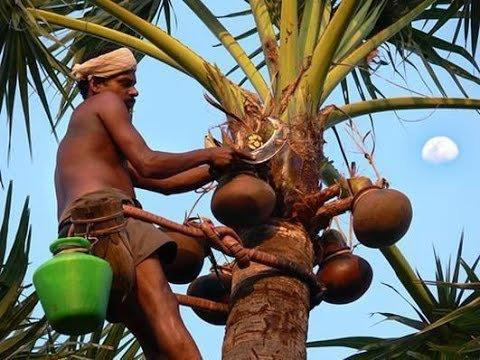
In Igbo community palm wine tapping is a respected craft passed down from father to son or learned through apprenticeship. The tapper, often called onye ngwo (if tapping from raffia palm) or onye nkwu (if from oil palm), begins before dawn. He is a skilled artisan, he knows the right tree, the right time, and the right angle. With a sharp climbing rope belt called akpaka and a small gourd or keg, he scales the tall palm tree — sometimes over 30 feet high. The process demands balance, precision, and courage, for a misstep can waste the sap or kill the tree and could mean serious injury for the tapper. Once at the crown, the tapper trims a flower stalk and binds it in a way that allows the sap to drip steadily into the container. This fresh sap is crystal-clear to milky-white and sweet enough to rival cane juice. But the moment it is collected, the clock begins ticking — fermentation starts almost instantly in the warm air of the tropics.
Fermentation: Nature’s Quiet Alchemy
One of the most fascinating aspects of palm wine is how quickly it ferments without any added ingredients, it requires no artificial additives, no laboratory equipment — just nature's own microbes and the patience of time. The moment it’s collected, wild yeast and bacteria in the air feed on the sugars in the sap, converting its natural sugars into alcohol and acids, and producing a tangy flavor. Within a day, the drink’s alcohol content rises, its sweetness diminishes, and it develops a cloudy texture with a slightly sour taste. And if left even longer, it
can sour completely, and at this point, it is often described as mmanya siri ike — “Strong wine.”This makes timing important: those who prefer the sweetness drink it fresh; those who want the stronger punch wait until the next day.
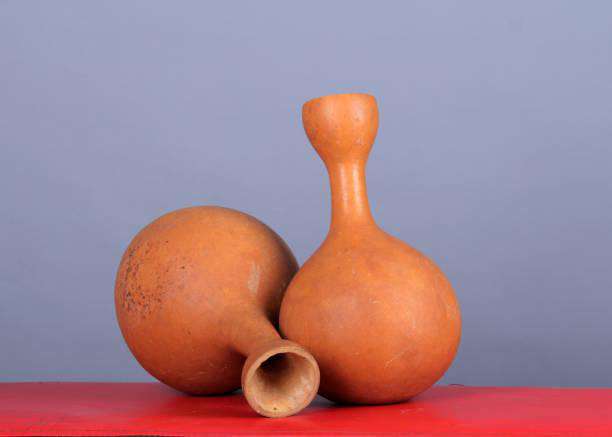
Once collected, palm wine is stored in calabashes or clay pots—containers that, like the wine, breathe with life. These vessels also allow a subtle exchange with air, helping the fermentation process flourish. This fermentation not only alters the taste but also changes its social use — the sweeter version is preferred for casual gatherings, while the stronger version is often enjoyed by seasoned drinkers.
Cultural Significance
The Igbo saying mmany ocha na-akpo mmadu oku — “white drink that calls people together”captures its ability to gather people in both merriment and meaningful conversation. In the Igbo communities of eastern Nigeria, palm wine holds an honored place in ceremonies, particularly traditional marriage rites known as igba nkwu. In this custom, the bride presents a cup of palm wine to her groom in front of assembled guests, symbolizing acceptance and sealing their union. During annual festivals, such as the New Yam Festival (Iriji), palm wine flows freely as a
symbol of joy and thanksgiving. It is shared with friends, relatives, and visitors as a gesture of hospitality, reinforcing bonds within the community.
Palm wine is often served during peace meetings or community gatherings. Offering it to guests is a sign of respect, and sharing a cup can ease tensions and open the door to dialogue. It also plays a role in welcoming strangers, showing that the Igbo value hospitality as a sacred duty. Elders often pour a small libation of palm wine onto the ground before drinking, a gesture meant to honor ancestors and invite blessings. It is not uncommon for elders to say that palm wine “speaks truth,” referring to its role in fostering openness during community discussions and negotiations.
Health Benefits and Nutritional Value
Fermented palm wine has been found to contain several health-supporting properties, particularly when consumed fresh and in moderation. Believed to aid digestion, improve eyesight, and provide vitamins from its natural fermentation. Its high content of vitamin C and certain amino acids has been confirmed by modern studies:
- Probiotics: Supports gut health due to the presence of live bacteria and yeasts.
- Vitamins: Especially Vitamin B-complex (such as B1, B2, and B12).
- Antioxidants and amino acids: May help with metabolic function.
- Low alcohol content: Fresh palm wine contains low alcohol, typically 2-4%, which increases over time as it ferments.
Modern Changes And Symbolism
While palm wine remains deeply rooted in tradition, its role is slowly changing. Bottled
substitutes and factory-brewed versions are now sold in urban areas, but many in the east insist that nothing compares to fresh, naturally fermented palm wine tapped that same day. Festivals, cultural events, and traditional markets still keep the authentic practice alive, ensuring that future generations will inherit this heritage.
The transformation of palm wine from sweet to strong has symbolic meaning. In proverbs and folk sayings, this change reflects the human journey — starting gentle and full of promise, and gaining depth and strength with time and experience. It is also a reminder of nature’s cycles and the importance of consuming things at their right time.
In eastern Nigeria, palm wine is not just a fermented drink — it is a living tradition, a witness to joy and solemnity, and a link to ancestral wisdom. From its sweet morning freshness to its
strong evening kick, palm wine embodies both the fleeting nature of taste and the enduring strength of culture.


