

Ukpaka is an Igbo name for African oil bean, and it’s a locally produced condiment used to add flavour or as an accompaniment in many Igbo delicacies. It’s known as Ukana in Efik, Apara for the Yorubas, Ataa or Atawa for the Fulani people, Twa bolala in Zaire, and some Igbo indigenes refer to it as Ugba. The oil bean tree can be found in the eastern and southern parts of Nigeria, and the fruit is a long, narrow-looking, hard, black, wooden pod that houses more than eight compartments depending on how long the pods are and the sizes of the seeds. When its fruit matures, it makes this explosive sound that sounds eerily similar to a clap before glossy, flat, brown seeds are released into the air for the picking. It’s also considered to be a probiotic food due to its fermentation process; that is, it helps in stimulating the growth of good bacteria in your intestines.
Properties of Ukpaka
The fermented seeds of the oil bean tree are known to be rich in protein, fatty acids and minerals. According to Kwesi Afia, Ukpaka can be a good alternative plant source of protein, especially for those who can’t afford other proteinous animal products like meat and fish2. Its proximate analysis (detailed breakdown of a food’s nutritional facts) shows that the longer the duration of fermentation, the higher the percentage of protein and fat content. In other words, Ukpaka is saturated with nutrients due to fermentation that stimulates extensive microbial activities, which results in the softening of the seeds, availability of amino acids (the digestible form of protein) and minerals, and presence of microorganisms that are good for gut health and overall digestion. It also contains essential fatty acids that make up to 10% of the overall fatty acids in the oil.
Preparation methods of Ukpaka

Unlike its predecessors, ukpaka is described as a product of alkaline fermentation. Its production process involves the hydrolysis of protein (reaction with water that results in its breakdown) and the release of amino acids and ammonia, but the traditional process of achieving the final product varies from one community to another or one processor to another. The list below discusses different methods of fermenting ukpaka as presented in Ogueke’s scholarly study:
- Obeta’s method
This method states that the seeds are boiled in water for 16 to 18 hours in order to easily remove the seed coats. Then the cotyledons are sliced, boiled for 30 minutes and left overnight in water at room temperature. After that, they are washed and packaged in banana leaves.
- Odunfa and Oyeyiola’s method
This method states that the seeds are boiled over an open fire for up to 12 hours. Then, the seeds are dehulled, and the cotyledons are washed and boiled overnight over a reduced or low fire before they are allowed to cool, drained and washed several times to remove any bitter taste. Then, they are soaked for a period of 6 hours before they are sliced, mixed with salt, put in a clean pot, covered and left to ferment for up to 5 days at room temperature.
- Njoku and Okemadu’s method
This method involves boiling the seeds for 5 to 8 hours, dehulling and letting the cotyledons cool down before washing, slicing, washing the seeds again and then boiling them for another 1 to 2 hours. It is then left to cool before soaking it in water for about 10 to 12 hours. Then they are washed again, drained and wrapped in ororompo leaves (*Mallotus oppositifolius*) before they are left to ferment for 72 hours at room temperature.
- Sokari and Wachukwu’s method
This method is a little bit different from the others, and there’s a claim that states that its general production time is faster than the average traditional method. In this method, the seeds are toasted in hot (100°C) sand for about 30 minutes before dehulling. The cotyledons are then sliced into thin slices (about 1 mm each) and soaked for about 2 hours to remove the bitter taste associated with the raw oil bean seed.

It's a general understanding that Ukpaka is always sliced into thin, long slices during the production process, and after each fermentation process has taken place, the final product usually has a characteristic pungent ammonia-like smell and flavour, which is the main reason many people are drawn to the taste.
Health benefits of Ukpaka
- Ukpaka greatly reduces the risks of cancer and some tobacco-related diseases2.
- It is a high source of protein, which is essential for the body’s growth and maintenance.
- It helps prevent constipation and aids in easy digestion of food due to its high microbial activity (probiotics).
- Ukpaka, as an antioxidant plant, promotes antisickling (preventing the sickling of red blood cells) activities for those suffering from Sickle Cell Disease (SCD).
- It also protects the body from cell damage caused by free radicals due to the presence of polyphenol and other nutrients that are known for their antioxidant properties.
- Its high fibre content aids digestion, promotes satiety and helps regulate blood sugar levels.
Cultural Significance of Ukpaka
Ukpaka is a popular indigenous fermented food that is served as a snack, side dish or used as a food condiment in many parts of Nigeria. It is especially popular in the Igbo ethnic group, as there are many delicacies that are either made around ukpaka or mixed in with ukpaka, such as nkwobi (spicy cow foot), isi ewu (goat head pepper soup), abacha (African salad), ji agwolu agwu (porridge yam), ugba salad (mixture of abacha and ukpaka), et cetera. It can be referred to as a staple in Igbo cuisine since it's one of those food items that is usually added one way or another in Igbo foods. These types of foods are also served during many traditional occasions, such as Abacha and Ugba salad, and they are normally the highlight on these many occasions.
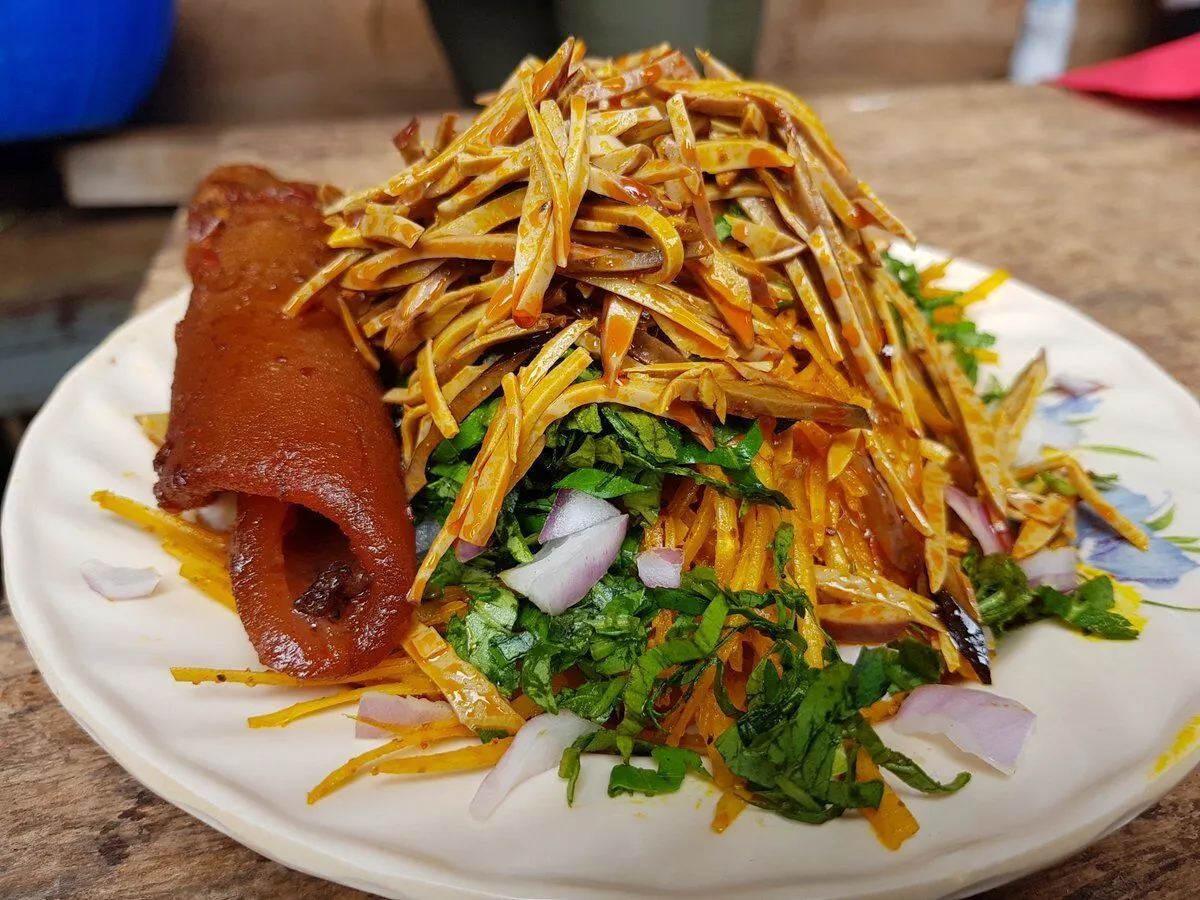
Ukpaka is also one of the parts of the Igbo culture that has remained unharmed and remembered even in the face of modern evolution. Due to its low shelf life, it’s generally prepared in family households or in small businesses, but the traditional significance of Ukpaka is usually felt in the Igbo community when there’s a social gathering. Its presence fosters this understanding that people are generally connected to each other, which strengthens communal bonds and promotes a sense of hospitality, communal sharing and social interaction amongst the people. It can also be used as a source of income and a means to share another form of culture with those that are not familiar with it.
It is also a potential food item for future research purposes. Due to its alkaline nature and low shelf life, researchers try to understand the various activities that happen during fermentation. For example, there’s not been a lot of research on the various microorganisms that act on Ukpaka or the flavour that appears after fermentation. There are also attempts to improve the packaging of ukpaka after production, which is still ongoing as of the time of writing this. To sum it up, ukpaka is not just a fermented seed; it’s also a testament to the rich culture of the Igbo people.


