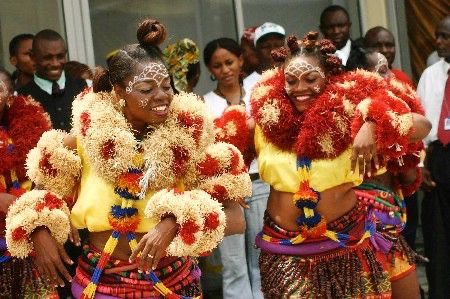
Being the largest ethnic group in West and Central Africa, the Hausa have built cities filled with a vast population that, despite their numbers, remains strikingly united in culture and tradition.
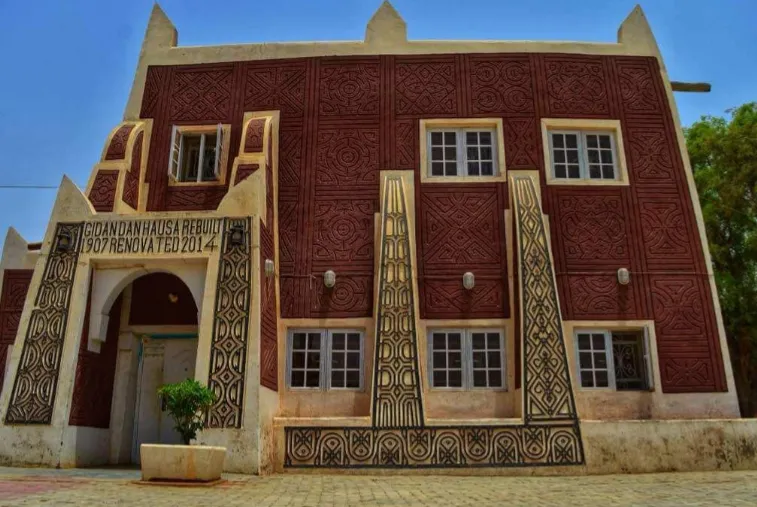
Kano, in northern Nigeria, is often regarded as the primary centre of Hausa trade and culture. It stands as a crossroads of commerce, connecting the trans-Saharan trade routes with local markets. Beyond trade, Kano became a cultural beacon for the Hausa people. It was a seat of Islamic scholarship, art, and governance. For centuries, the palace of the Emir (Gidan Rumfa) has remained one of the finest examples of Hausa architecture. They are marked by a distinctive way of life in which language, religion, culture, subsistence agriculture, cattle rearing, commerce, and art all merge into a cultural rhythm that sustains both the people and their traditions.
History has it that the communities scattered within this ethnic group resided in small towns and cities where they would grow crops, raise livestock, engage in trade, as well as artistic expression, from textile dyeing and leatherwork to the decorative plasterwork that adorned their buildings. In these expressions of creativity, function often met beauty, and ordinary tools, garments, and spaces became enduring works of art.
Origins and Precolonial Forms of Hausa Architecture
The timeless craft of the Hausa people begins where the soil begins. They used earth, timber, reeds, grasses, and stones. Hausaland sits on lateritic and clay-rich soils across the savannah and northern Nigerian plain; these soils made earth the obvious, economical, and durable building material¹. As early as then, timber and stone were scarce in some areas, and so what we call earth technologies, such as sun-dried mud bricks (tubali/adobe), rammed earth (banco/pisé), and clay mortar, became the foundational techniques.
Agricultural activities have also contributed considerably to the Hausa tribe’s house form in the precolonial time. Farming exposed and processed earth (in the form of clay, laterite, mud), and it became the very building materials for early buildings. This ethnic group, particularly in Kano, improved the use of by-products from agriculture, such as straw, husks, and animal dung, by mixing them into mud to strengthen walls and plaster. These mixtures were needed to reduce cracking, improve thermal insulation, and make earthen materials more durable. The presence of fibre-rich laterite soils around Hausa towns also meant local craftspeople could mould strong walls that resisted weathering. They continued this way, and over time, these practices soon became part of the architectural language of Hausa cities.
The Artistry of Hausa Walls as a Form of Cultural Identity
Hausa architecture from Northern Nigeria is perhaps one of the least known but most beautiful aspects of Hausa culture. It has been in existence for thousands of years & is characterised by bright, colourful, intricately engraved buildings.
Today, cultural identity expressed through the use of traditional style is viewed as a defence mechanism against the domination of the sweeping movement of globalization. The Hausa tribe has a cultural sense of inter-relating with their physical environment. And their architectural style happens to be one of the most practiced means of cultural expression. Hausa buildings symbolise the climax of the feeling of celebration that reigns inherently in a traditional builder at work, being expressive of man and nature². At its core, Hausa architecture pictures the relationship between culture and environment.
The hot days and cold nights of the savanna call for design solutions that can ameliorate the effect of daylight heat and midnight cold.
Thus, the builders used thick earthen walls, shaded courtyards, and protective devices that kept families safe and comfortable. It’s in their response to climate that the Hausa were crafting a lasting dialogue between human need and nature. That dialogue is what gave Hausa architecture its enduring identity, which has persisted into the 21st Century.
Distinctive Features of Early Hausa Buildings and What they hold in the community
Each building scattered across Hausa towns and cities carried intentional marks that spoke of identity, faith, and artistry. Every element holds meaning practically, culturally, or spiritually.
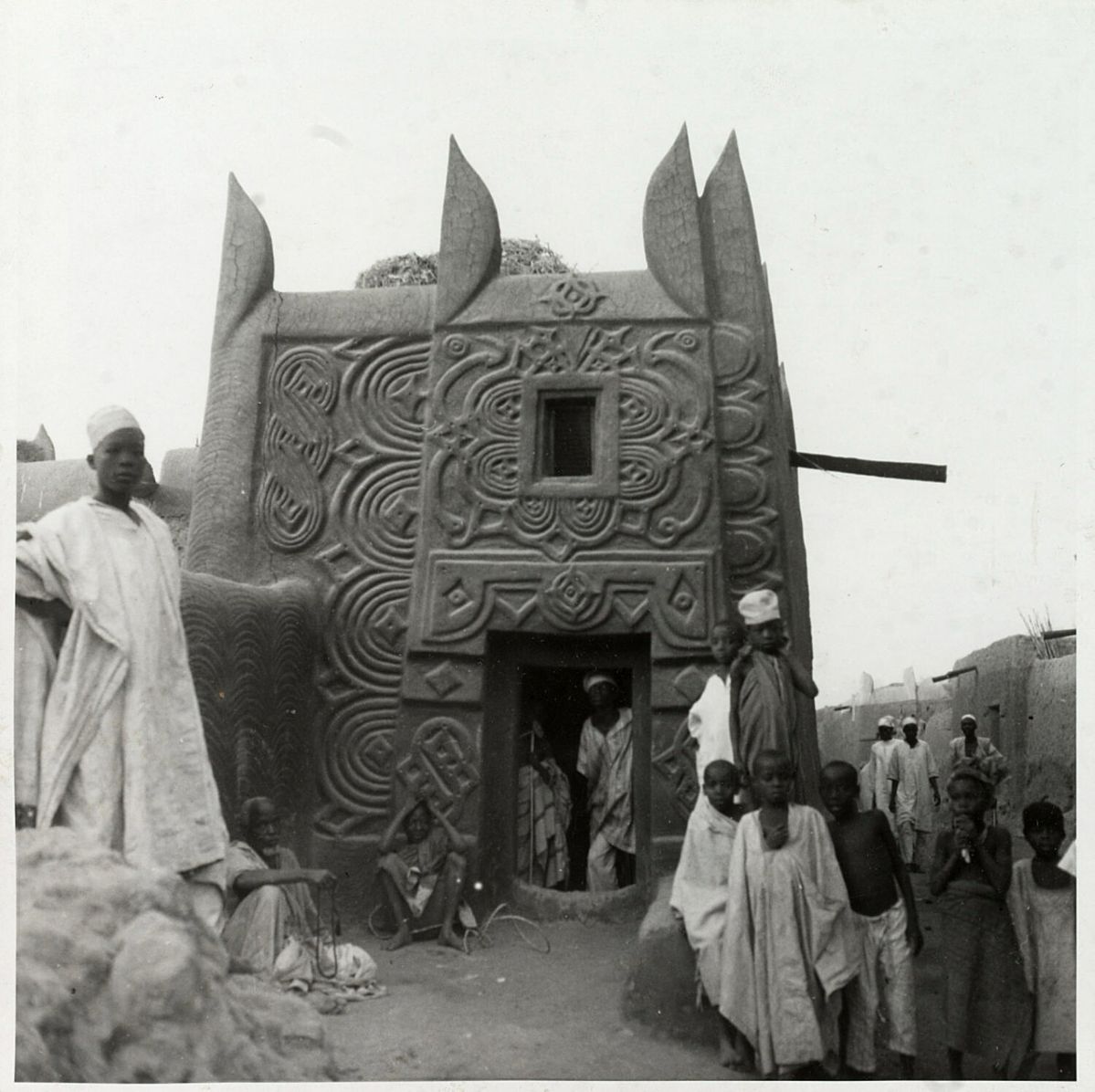
Zankwaye (Pinnacles): Perhaps the most recognizable markers of Hausa architecture are the zankwaye, the elegant pinnacles that rise above walls and rooftops. The pinnacles Zankwaye have come to be accepted as a mark of aesthetics in Hausa traditional facade, without which is described by master masons as a bull without horns, or rather a chief without his headgear⁴. Beyond decoration, Zankwaye reflects the mood of a building.
Earthen Walls: This tribe drew directly from the land to construct their homes. Clay, mud, and laterite were molded into thick walls that served as natural insulation; cool during the burning heat of the day, warm against the night’s chill.
Plasterwork: Hausa walls rarely stood bare. Skilled artisans adorned them with plasterwork known for its geometric designs, floral patterns, and at times, Arabic calligraphy reflecting Islamic influence.
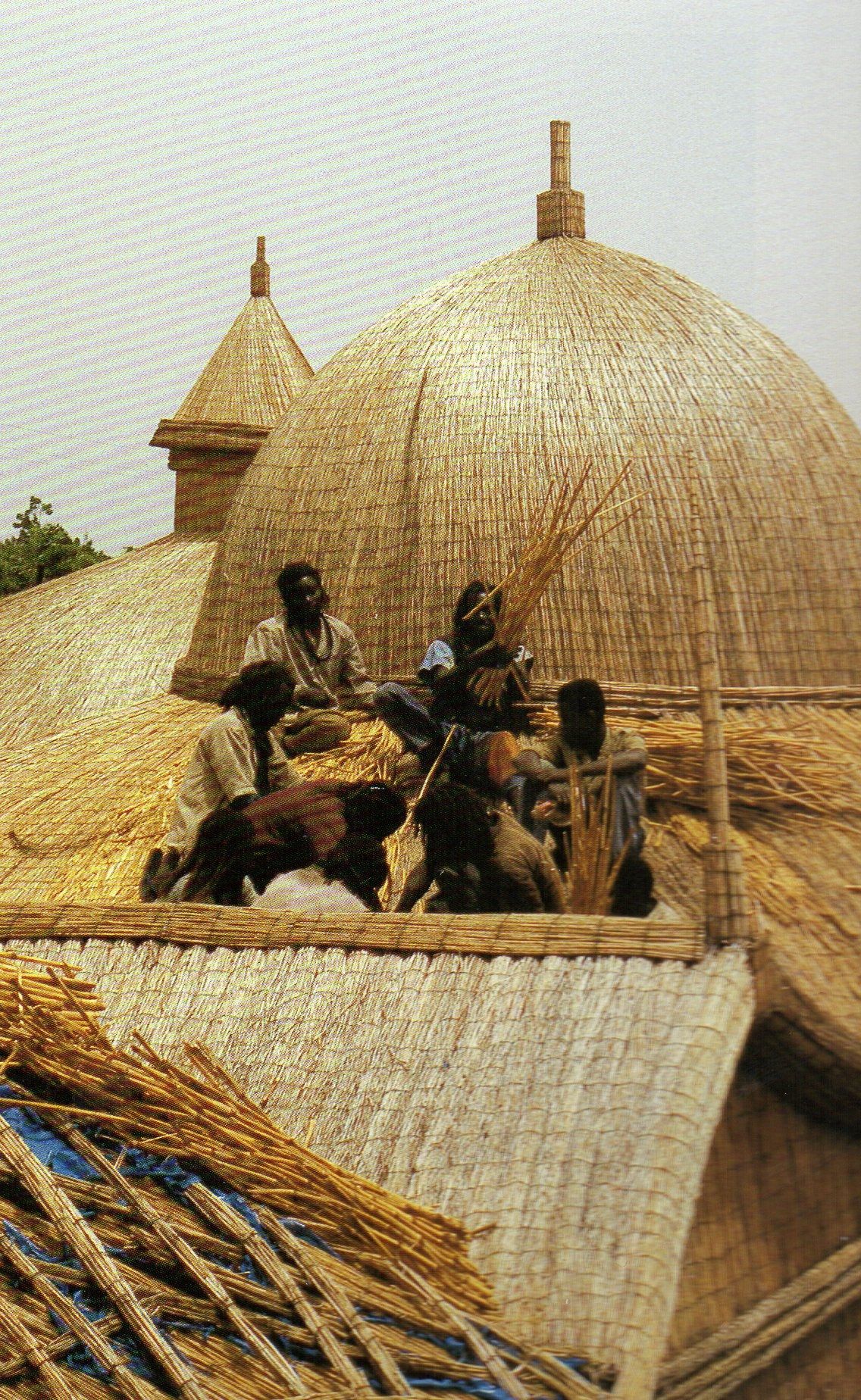
Domes and Vaults: Another striking feature was seen in the Hausa mastery of domes and vaulted spaces, achieved without timber
which happened to be a scarce material in the savannah. Instead, builders relied on earth and ingenious construction techniques, shaping curved roofs that were both durable and aesthetic.
At the heart of many Hausa houses lies a courtyard. It is pictured as an open, shaded space where family life unfolded, especially in the cool of the evenings. Courtyards offered privacy, in keeping with cultural values. It also served as a center for multipurpose activities: children played there, meals were prepared, and guests were entertained. The courtyard is central to the social and domestic rhythm of Hausa life.
Conclusion
The precolonial artistry of the Hausa people reveals how architecture was a vessel of culture, belief, and identity. Despite being spread across different territories, Hausa identity is carried in their language, dress, customs, and especially their artistry, which serves as a living archive of history and memory. Their art is deeply rooted in their spirituality, social order, and aesthetics. It continues to embody the resilience and legacy of a people whose creativity predates colonial disruptions.