Across Africa, various countries fell under colonial rule at different times. From the French to the British, Portuguese, and others, one by one these African countries eventually broke free and claimed their independence.
Before colonization, many Nigerian women and groups made contributions to feminism in Nigeria. Some ethnic groups had systems that gave women significant political and economic power. These systems provided women with platforms for joint action and representation.
Historical Leadership Roles and Political Authority
In pre-colonial Africa, most communities, especially in the West African region, were matriarchal. Women were given a say in politics and economy. In the old Oyo empire in southwest Nigeria, women played crucial roles in the installment of kings. Women often served as custodians of tradition, and as the middle ground between the spirits and the people. Kingship was not only political, but sacred. Women’s approval and rituals were essential for legitimacy.
In Yorubaland, the Oba(king) could not be installed without the participation of female chiefs. The leader of women, called the Ìyálóde and the Oba’s mother, the Ìyá Oba had influence in confirming the new leader. The women also had the spiritual role of appeasing deities and ancestors to bless the reign of the new king.
Among the Igbos of the Southeastern region, the assembly of daughters of the lineage was called the Umuada. They played a strong political role, settling disputes and maintaining peace. An emerging leader had to obtain the blessings of the Umuada to be valid.
The queen mother of the Benin kingdom, the Iyoba held immense political authority. Once her son became the Oba, i.e., the King, she was given her own palace and could influence political decisions, including succession.
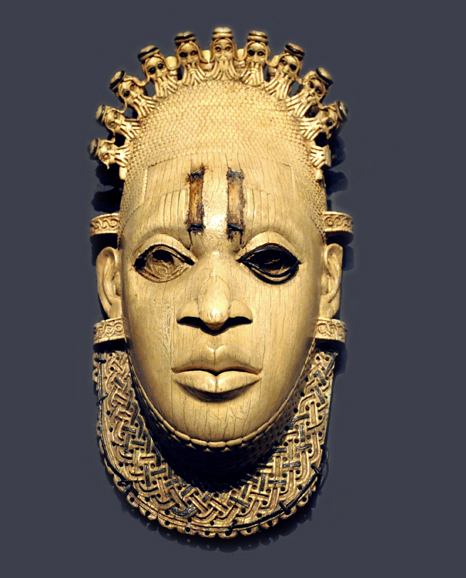
There is no doubt that Queen Amina of Zazzau will go down in history as part of the most iconic female leaders in Nigeria. She was a Hausa warrior queen who expanded the territory of Zazzau, which is now known as Zaria and ruled for 34 years. She led her army in multiple conquests, and is credited with building fortified city walls in northern Nigeria. Her leadership challenged gender norms, centuries before modern feminism.
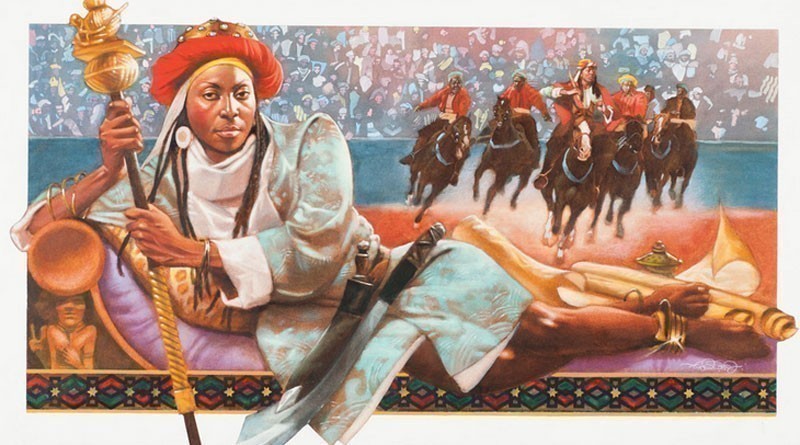
One of the most influential women in 19th century history was Madam Efunroye Tinubu. She was a business woman, nationalist and political leader, who used her immense wealth to gain political influence and support for allies. Madam Tinubu played the role of a kingmaker in Lagos, influencing who became the next Oba of Lagos. She was a fearless woman, who protected her people’s interest at all costs. She is seen as one of the earliest symbols of female resistance to colonialism.
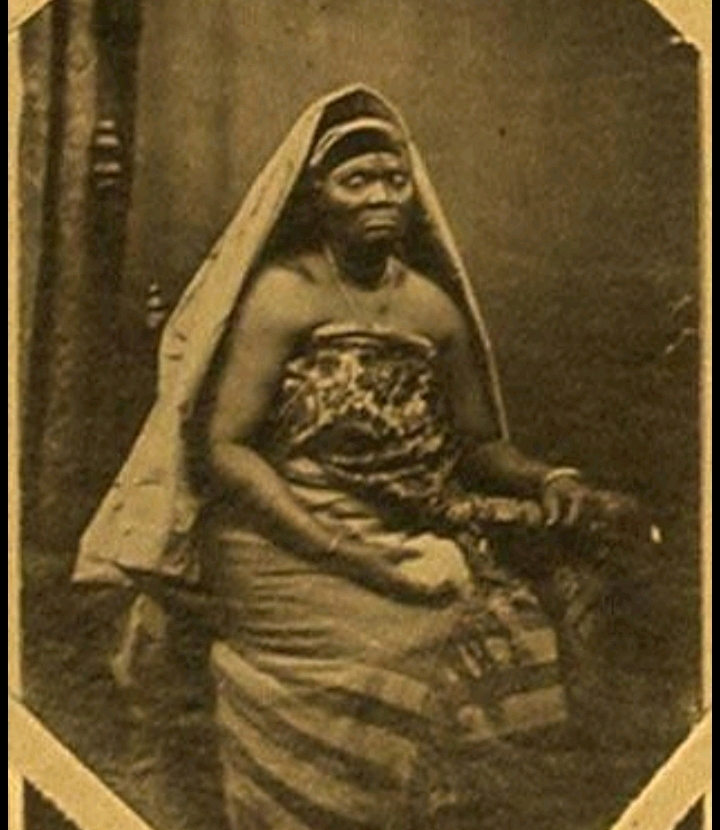
Other notable women in political and leadership roles in pre-colonial Nigeria are Queen Emotan of Benin, Princess Inikpi of Igala land, and Iyalode Efunsentan Aniwura of Ibadan.
Economic Roles
During pre-colonial times, the economy was mostly subsistent. Women supported this by producing and distributing goods and services. They dominated local, regional, and even international trade. In many societies, women were the main market traders. There was usually a ranking of leadership positions, the highest being the market leader.
In Yoruba societies, the Iyaloja was the head of the market. She was the spokesperson and representative of market women, holding significant traditional, political and social power.
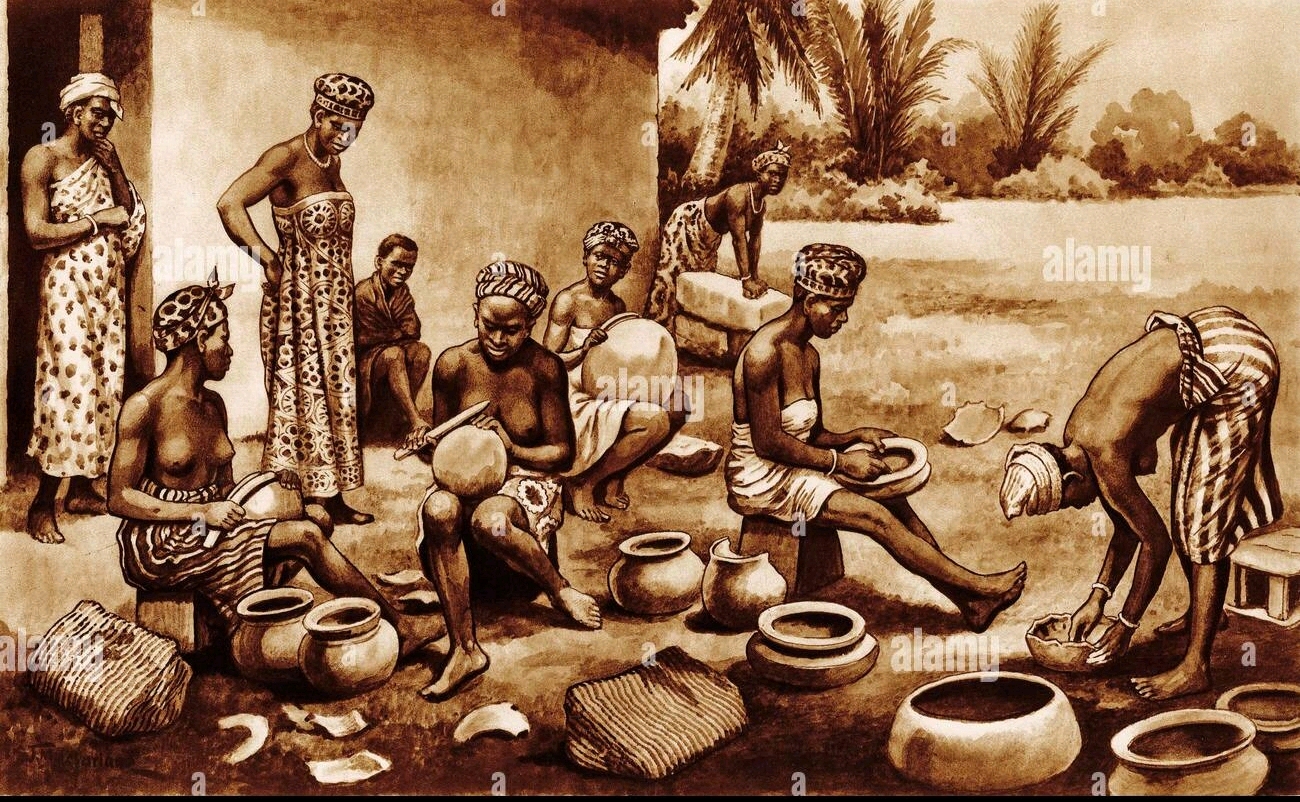
Notably, in the south eastern part of Nigeria, women were involved in the production of palm oil and palm kernel. They also aided in the distribution of various food items and commodities across the country. In the coastal areas of Calabar, Oron and the Niger Delta, fish drying was being carried out. Salt production was performed by the women in Okposi, Yala and Uburu. In the Afikpo region, pottery making and weaving were popular trades among women.
Women proved to be strong and resourceful, by performing their various services, trades and crafts. This helped in sustaining their families.
Social and Cultural Roles
Essentially, women served as custodians of tradition and religion. They acted as priestesses, diviners, and custodians of shrines and oracles. For example, the Oracle of Arochukwu in Igboland often involved women priests. They also acted as healers, providing healthcare.
Women also strengthened ties between communities by playing major roles in marriage and family. They aided in cultural upbringing and nurturing of the children. They passed down oral traditions, dances and cultural education.
However, there were still limitations, as the women were subordinated to male authority although they had independence in terms of income. For instance, despite the fact that land was owned by the whole community, in most societies, women could not inherit land, although they worked the land with the men. Women also had to acquire skills in order to make income. Any woman with no skills was totally dependent on her husband.
The colonial era spanned from the late 18th century to the mid-20th century. During these times, there were certain roles women had to play, and be conformed to. Most of these roles were more to their disadvantage, not full of many choices, and diminished the rights of women. However, women continued to prove their resilience, breaking stereotypical gender barriers, and becoming trailblazers for future generations.
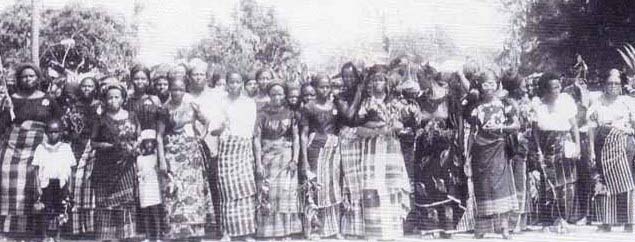
Although the famous women’s war of 1929 was in the colonial era, its roots lay in precolonial traditions of collective female protest. A group of women who decided to demonstrate a united resistance against colonial oppression and gender-based discrimination set the foundation of feminism in Nigeria. The Aba Women’s Riot was not just an anti-colonial protest. It began the movement for Nigerian women to resist injustice and advocate for their rights. However, their struggle did not end in 1929. Decades later, Nigerian women continue to fight against injustice and for equality through activism, demand for reformation and various social movements.
As history has shown, African women have always fought for their rightful place in society, and the struggle continues today. The future of feminism in Nigeria depends not just on women, but on a collective effort to break down the barriers that have long held them back.